
-
 DE
DE


Cradle Cap in Infants: Causes and Treatment
Cradle cap is a common, harmless skin condition in infants, appearing as greasy, yellowish scales on the scalp. It is not contagious and usually clears up on its own.
Things worth knowing about "Cradle cap"
Cradle cap is a common, harmless skin condition in infants, appearing as greasy, yellowish scales on the scalp. It is not contagious and usually clears up on its own.
What is Cradle Cap?
Cradle cap (medically known as infantile seborrhoeic dermatitis) is a very common skin condition that affects newborns and young infants. It appears as greasy, yellowish-white or brownish crusts and scales, typically on the scalp, but sometimes also on the forehead, eyebrows, or behind the ears. The condition is entirely harmless and not contagious.
Causes
The exact cause of cradle cap is not fully understood, but several factors are thought to contribute:
- Overactive sebaceous glands: After birth, maternal hormones passed to the baby during pregnancy can cause the sebaceous glands to remain overactive, leading to excess sebum production and build-up of skin cells.
- Malassezia yeast: The naturally occurring yeast Malassezia, found on the skin, may play a role in triggering scale formation.
- Not related to poor hygiene: Cradle cap is not caused by inadequate cleansing and does not indicate an immune disorder or allergy.
Symptoms
The characteristic signs of cradle cap include:
- Greasy, yellow or white scales and crusts on the scalp
- Crusts that may adhere firmly to the skin
- Mild redness in affected areas
- Occasional mild itching (less prominent than in eczema)
- Rarely, spreading to the face, armpits, or nappy area
Unlike atopic dermatitis (eczema), cradle cap generally does not cause significant itching or distress in infants.
Diagnosis
Cradle cap is typically diagnosed by a paediatrician through a physical examination. The characteristic appearance of the scales and crusts is usually sufficient to make the diagnosis. No further diagnostic tests are generally required.
Treatment
In many cases, cradle cap resolves on its own without specific treatment. The following measures can help manage the condition:
Home Care
- Oil application: Gently massaging baby oil or almond oil into the scalp and leaving it on (for example overnight) helps to soften and loosen the scales.
- Gentle brushing: After the oil has been applied, the loosened scales can be carefully removed with a soft brush or comb.
- Mild shampoo: Washing the scalp regularly with a gentle baby shampoo helps keep the area clean.
Medical Treatment
- In more severe cases, a paediatrician may recommend medicated scalp preparations or mild topical corticosteroids.
- If a yeast overgrowth is identified, antifungal treatment may occasionally be considered.
Prognosis and Outlook
Cradle cap typically appears in the first weeks to months of life and usually resolves spontaneously by the end of the first year. With gentle, consistent care, the condition is uncomplicated and does not affect the health or development of the child. Parents can be reassured that cradle cap is a normal part of infant skin development.
References
- Nast A. et al. - S3-Guideline on the Treatment of Seborrhoeic Dermatitis. German Dermatological Society (DDG), 2020.
- Silverberg NB. - Typical and atypical clinical appearance of atopic dermatitis. Clinics in Dermatology, 2017.
- World Health Organization (WHO) - Newborn and Infant Health Guidelines. WHO, Geneva, 2022.

Building Blocks for a Healthy Life
As an integrated manufacturer, we develop & produce evidence-based, patented, and non-patented formulations. We work exclusively with plant and natural extracts according to the strictest purity & quality standards.
The combination of science & modern technology with the laws of nature creates solutions consistently tailored to humans – for the highest good: health.
Verwandte Produkte

Floral
For Healthy Oral Flora & Dental Care
Formulated lozenges with Dentalac®, lactic acid bacteria, and Lactoferrin CLN®30 lozenges
Regular price:
22,90 €
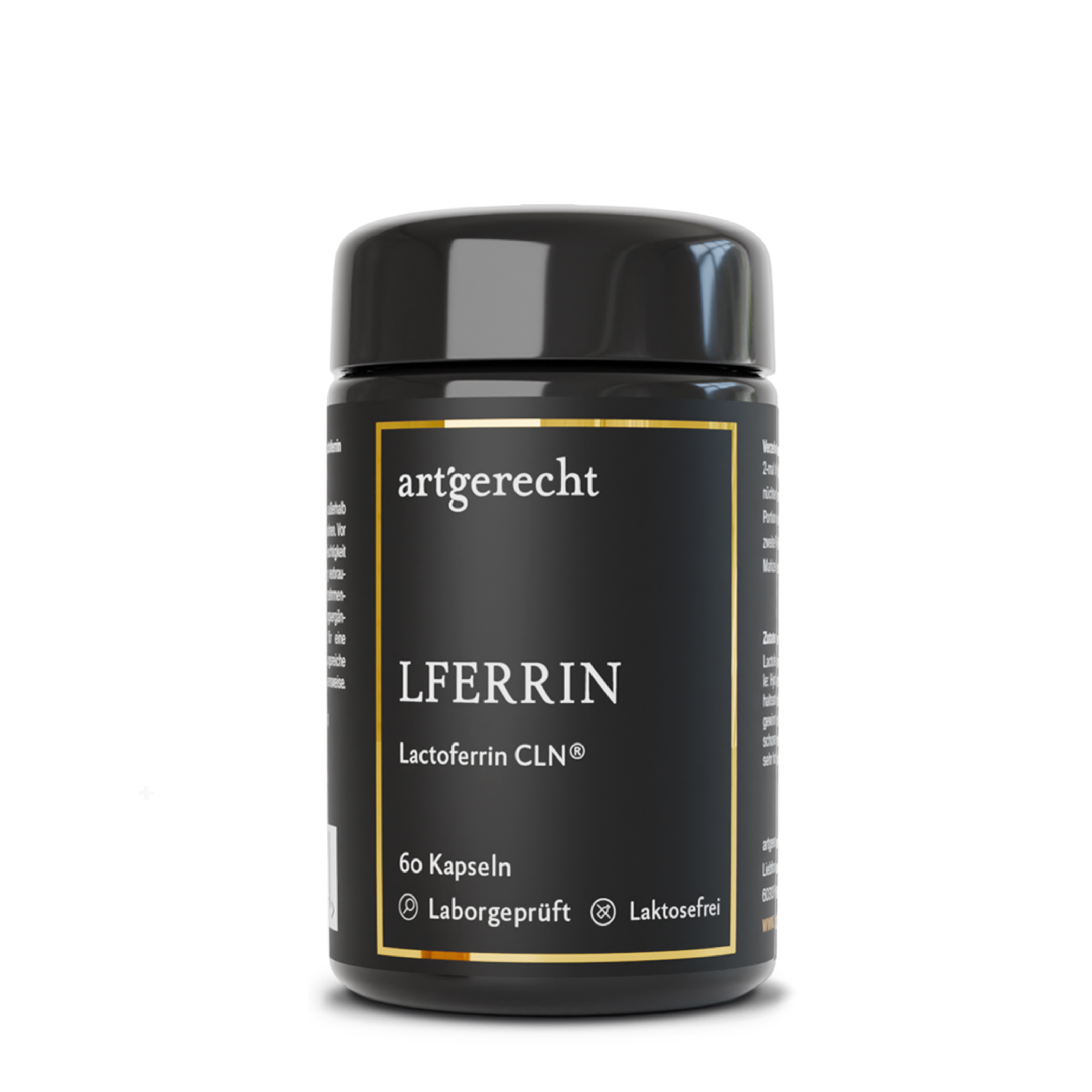
Lactoferrin
For your universal protection
As one of the most valuable proteins in the body, lactoferrin is a natural component of the immune system.[siehe Varianten]
Regular price:
59,90 €

Natural Iron

For your iron balance
Specially formulated for your iron balance with plant-based curry leaf iron, Lactoferrin CLN®, and natural Vitamin C from rose hips.
30 Capsules
Regular price:
35,90 €
Most read entries
3 Posts in this encyclopedia categoryMagnesiumcarbonat
Magnesiumcarbonat ist eine anorganische Magnesiumverbindung mit säure-neutralisierender (antazidischer) Wirkung. Erfahre mehr über Vorteile, Einsatzgebiete und Unterschiede zu besser resorbierbaren Magnesiumformen.
Calorie content
The choice of food influences our energy intake. The calorie content varies greatly - some provide little energy, others a lot.
Cologne list
The Cologne List ® is an important initiative in competitive sports that offers athletes guidance in the selection of nutritional supplements.