

N92.6 – Irregular Menstruation | ICD-10
N92.6 is an ICD-10 diagnosis code for irregular menstruation, unspecified. It describes menstrual cycle disorders that cannot be assigned to a more specific category.
Things worth knowing about "N92.6"
N92.6 is an ICD-10 diagnosis code for irregular menstruation, unspecified. It describes menstrual cycle disorders that cannot be assigned to a more specific category.
What Does the Diagnosis Code N92.6 Mean?
The ICD-10 code N92.6 stands for irregular menstruation, unspecified. It is used when a patient experiences menstrual cycle irregularities that cannot be classified under a more specific subcategory within group N92 (excessive, frequent, and irregular menstruation). This code belongs to Chapter XIV of the ICD-10 (Diseases of the Genitourinary System).
Causes
Irregular menstrual cycles can have many different underlying causes. Common triggers include:
- Hormonal imbalances, for example due to thyroid disorders, elevated prolactin levels, or changes in estrogen and progesterone production
- Polycystic ovary syndrome (PCOS) – a common hormonal disorder in women of reproductive age
- Stress-related dysregulation of the hypothalamic-pituitary-ovarian axis
- Significant underweight or overweight, as body fat influences hormone production
- Intense physical exercise, particularly in competitive athletes
- Perimenopause – the transitional phase leading up to menopause
- Certain medications, such as hormonal contraceptives or antipsychotics
- Structural conditions of the uterus or ovaries (e.g., fibroids, endometriosis)
Symptoms
Typical features of irregular menstruation classified under N92.6 include:
- Variable cycle length (shorter than 21 days or longer than 35 days)
- Unpredictable timing of bleeding episodes
- Changes in the volume or duration of menstrual flow
- Occasional absence of menstruation (amenorrhea)
- Intermenstrual bleeding outside the normal cycle
Diagnosis
To evaluate irregular menstruation, a healthcare provider will typically perform the following assessments:
- Medical history: Detailed review of the cycle history, medication use, and lifestyle factors
- Blood tests: Hormonal profile including FSH, LH, estradiol, progesterone, TSH, prolactin, and androgens
- Pelvic ultrasound (sonography) of the uterus and ovaries to assess for anatomical abnormalities
- Gynecological examination to exclude organic causes
- Further diagnostic workup such as MRI or hysteroscopy if structural abnormalities are suspected
Treatment
Treatment depends on the underlying cause and the degree of symptoms experienced by the patient:
- Hormonal therapy: Use of progestogens, combined oral contraceptives, or other hormonal preparations to regulate the cycle
- Treatment of the underlying condition: For example, thyroid medication for hypothyroidism, or metformin for PCOS
- Lifestyle modifications: Weight management, stress reduction, and adjusting physical activity levels
- Micronutrient support: Addressing deficiencies (e.g., iron, vitamin D, B vitamins) to support hormonal balance
- Watchful waiting for mild or temporary cycle changes without an organic cause
When to See a Doctor
Women should seek medical advice if:
- The cycle length is consistently more than 35 days or fewer than 21 days
- Menstrual bleeding lasts longer than 7 days
- Intermenstrual bleeding occurs frequently
- The period is absent for several consecutive cycles
- Additional symptoms appear, such as severe pain, unexpected weight changes, or hair loss
References
- World Health Organization – ICD-10 International Classification of Diseases, 10th Revision, Chapter XIV: Diseases of the Genitourinary System, Code N92.6. WHO, Geneva.
- Berek JS – Berek & Novak's Gynecology, 16th Edition. Wolters Kluwer, 2019.
- ACOG Practice Bulletin No. 136 – Management of Abnormal Uterine Bleeding Associated with Ovulatory Dysfunction. American College of Obstetricians and Gynecologists, 2013 (reaffirmed 2022).

Building Blocks for a Healthy Life
As an integrated manufacturer, we develop & produce evidence-based, patented, and non-patented formulations. We work exclusively with plant and natural extracts according to the strictest purity & quality standards.
The combination of science & modern technology with the laws of nature creates solutions consistently tailored to humans – for the highest good: health.
Verwandte Produkte

For Healthy Oral Flora & Dental Care
Formulated lozenges with Dentalac®, lactic acid bacteria, and Lactoferrin CLN®
For Healthy Oral Flora & Dental Care
Formulated lozenges with Dentalac®, lactic acid bacteria, and Lactoferrin CLN®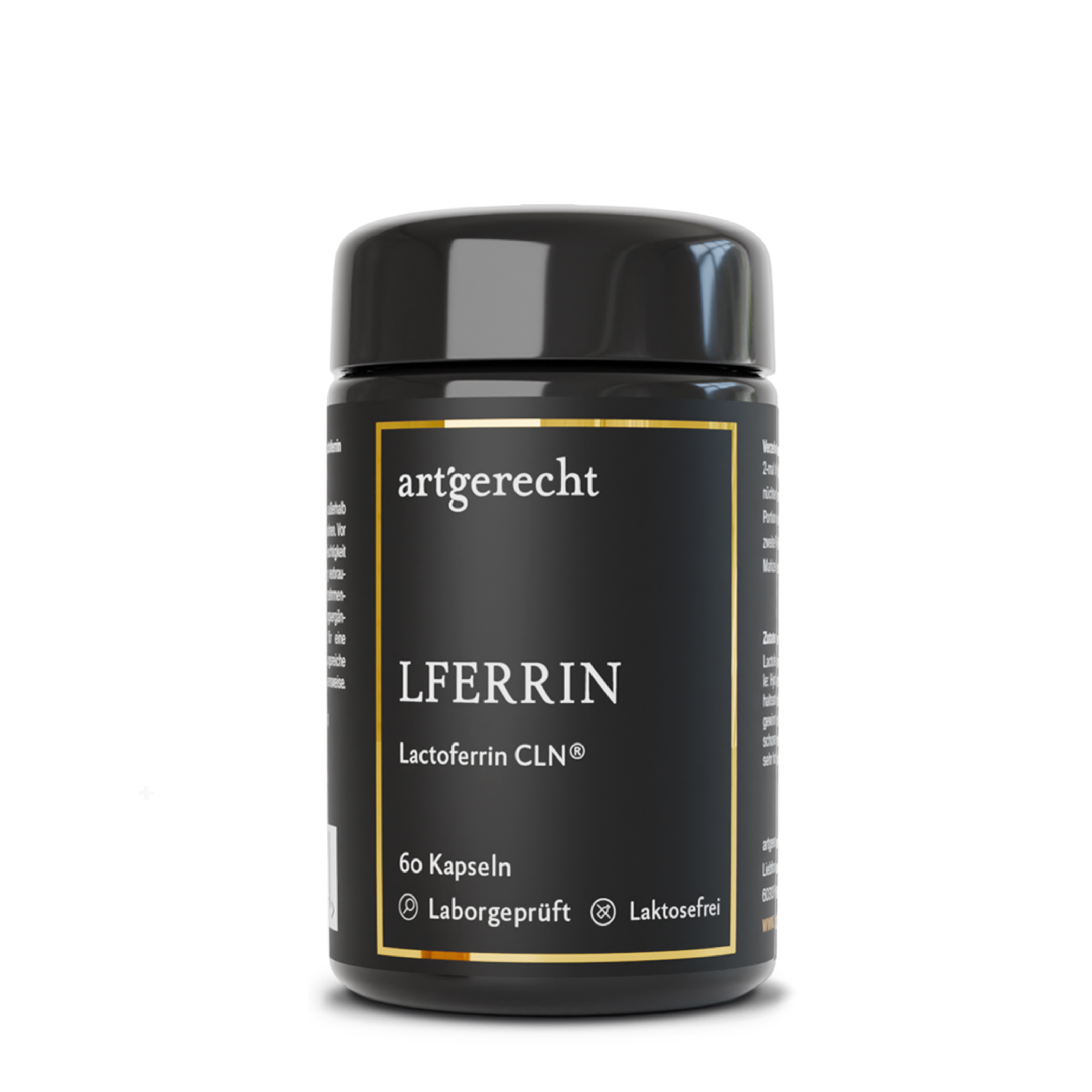
For your universal protection
As one of the most valuable proteins in the body, lactoferrin is a natural component of the immune system.
For your iron balance
Specially formulated for your iron balance with plant-based curry leaf iron, Lactoferrin CLN®, and natural Vitamin C from rose hips.