
-
 DE
DE



Gut Health
An imbalance in gut flora can manifest not only as bloating, constipation, or diarrhea, but also as fatigue. In our category, you’ll find specific bacterial cultures, plant-based enzymes, high-purity lactoferrin, and functional dietary fiber, all of certified quality. Combined with the 30-day gut health program, this creates a structured approach to your gut health, featuring expert guidance and in-depth background knowledge.
The foundation for the immune system, metabolism and well-being
The gut is far more than just a digestive organ. It is home to trillions of microorganisms, produces a large proportion of our immune cells, and influences key processes such as nutrient absorption, metabolism, hormonal balance and even mood. A stable gut flora and an intact mucosal barrier are therefore crucial for overall health. Modern lifestyles, stress, an unbalanced diet or medication can disrupt the delicate balance of the microbiome. This makes it all the more important to specifically support gut health – for example, through selected probiotics, enzymes or a structured gut health regimen.
10 Products
Subscription available

BiomFiber™ PHGG Guarkernmehl
PHGG – Natural Fiber from Guar Gum
For a balanced fiber intake in everyday nutrition
300 g
Regular price:
€35.90
Subscription available

Biotic
For the support of your healthy gut flora
Selected microorganism complex with 18 cultures and Bio-Support™ technology
30 Capsules
Regular price:
€35.90
Subscription available

L-Glutamine Powder
GLUTAMIN-FIBER-KOMPLEX · VEGAN · GLUTENFREI
High-purity, pharmaceutical-grade L-glutamine combined with natural dietary fiber from baobab
300 g
Regular price:
€45.90
Subscription available

Lactoferrin 120 Capsules
For your universal protection
As one of the most valuable proteins in the body, lactoferrin is a natural component of the immune system.
120 Capsules
Regular price:
€99.90
Discount
Subscription available

Lactoferrin 60 Capsules
For your universal protection
As one of the most valuable proteins in the body, lactoferrin is a natural component of the immune system.
60 Capsules
Sale price:
€50.00
Regular price:
€59.90
Discount
Subscription available

Nzym
Natural Support for Your Digestion
The enzymes in NZYM can help restore balance to digestion. The enzymes in NZYM can help restore balance to digestion.60 capsules
Sale price:
€35.90
Regular price:
€45.90
Discount

Reset Duo Package
Give Your Gut a Fresh Start
A 30-day RESET Gut Cleanse with three objectives: restore gut balance, prevent modern diseases, and naturally lose weight in a healthy way.
Program
Sale price:
€240.00
Regular price:
€335.90
Discount
Reset Single Package
Give Your Gut a Fresh Start
A 30-day RESET Gut Cleanse with three objectives: restore gut balance, prevent modern diseases, and naturally lose weight in a healthy way.
Program
Sale price:
€140.00
Regular price:
€179.90

Natural Supplements & Superfoods
At artgerecht, we combine science, innovation, and cutting-edge technology with the laws of nature to develop solutions tailored to humans. Health is the highest good.
Gut health: The hub for digestion, the immune system and metabolism
The gut is one of the most complex organ systems in the human body. With a surface area of several hundred square metres, it not only forms the interface between the outside world and the body, but also plays a central role in digestion, nutrient absorption, immune regulation and metabolic control. Good gut health is therefore essential for overall well-being.
The microbiome: trillions of microorganisms in balance
The gut is home to trillions of microorganisms – bacteria, viruses and fungi – which are collectively referred to as the microbiome. This microbial ecosystem is unique to each individual and influences numerous processes:
- Breakdown of food components
- Production of short-chain fatty acids
- Synthesis of certain vitamins
- Regulation of the immune system
- Protection against pathogenic microorganisms
A balanced microbiome supports the intestinal barrier and helps to regulate inflammatory processes. If this balance is disrupted – for example, by stress, antibiotics or a highly processed diet – this can lead to digestive problems, increased susceptibility to infection or metabolic imbalances.
The intestinal barrier: a protective shield between the inside and the outside
The intestinal mucosa forms a highly sensitive barrier. It determines which substances enter the bloodstream and which are blocked. An intact epithelial barrier prevents the entry of unwanted substances and microorganisms.
If this protective function is impaired, it can promote inflammatory processes. The stability of the mucous membrane therefore plays a crucial role in maintaining long-term intestinal and immune balance.
The gut and the immune system: closely interconnected
Around 70% of immune cells are found in the gut. The gut is therefore a key immunological organ. The microbiome is in constant communication with the immune system and trains it to distinguish between harmless and potentially harmful stimuli.
A healthy gut microbiota helps to prevent excessive immune responses whilst maintaining an effective immune defence.
Factors affecting gut health
Several factors influence gut health:
- Diet: A high-fibre diet promotes beneficial gut bacteria.
- Stress: Chronic stress can impair the gut barrier.
- Sleep: Rest and recovery support microbial balance.
- Medication: Antibiotics alter the composition of the microbiome.
- Exercise: Moderate physical activity has a positive effect on gut function.
A holistic lifestyle is therefore crucial for maintaining a healthy gut balance.
Background information on Gut Health
-
 Gut Flora and Allergies: How the Microbiome Influences Your Immune SystemCan the gut determine whether we develop allergies? New research shows that gut flora plays a surprisingly important role in how tolerant or hypersens...
 -
 Your brain doesn't want goals – it wants to survive: Understanding goal setting from an evolutionary perspectiveA fresh start for your gut: In this episode, we discuss the reset concept, explain the idea behind species-appropriate gut health treatments, and demo...
 -
 PHGG (teilhydrolysiertes Guarkernmehl): Allrounder für die Darmgesundheit?PHGG ist ein sanfter Ballaststoff, der die Verdauung unterstützt, insbesondere bei Reizdarm und Verstopfung. Erfahre, wie PHGG bei der Linderung von V...
 -
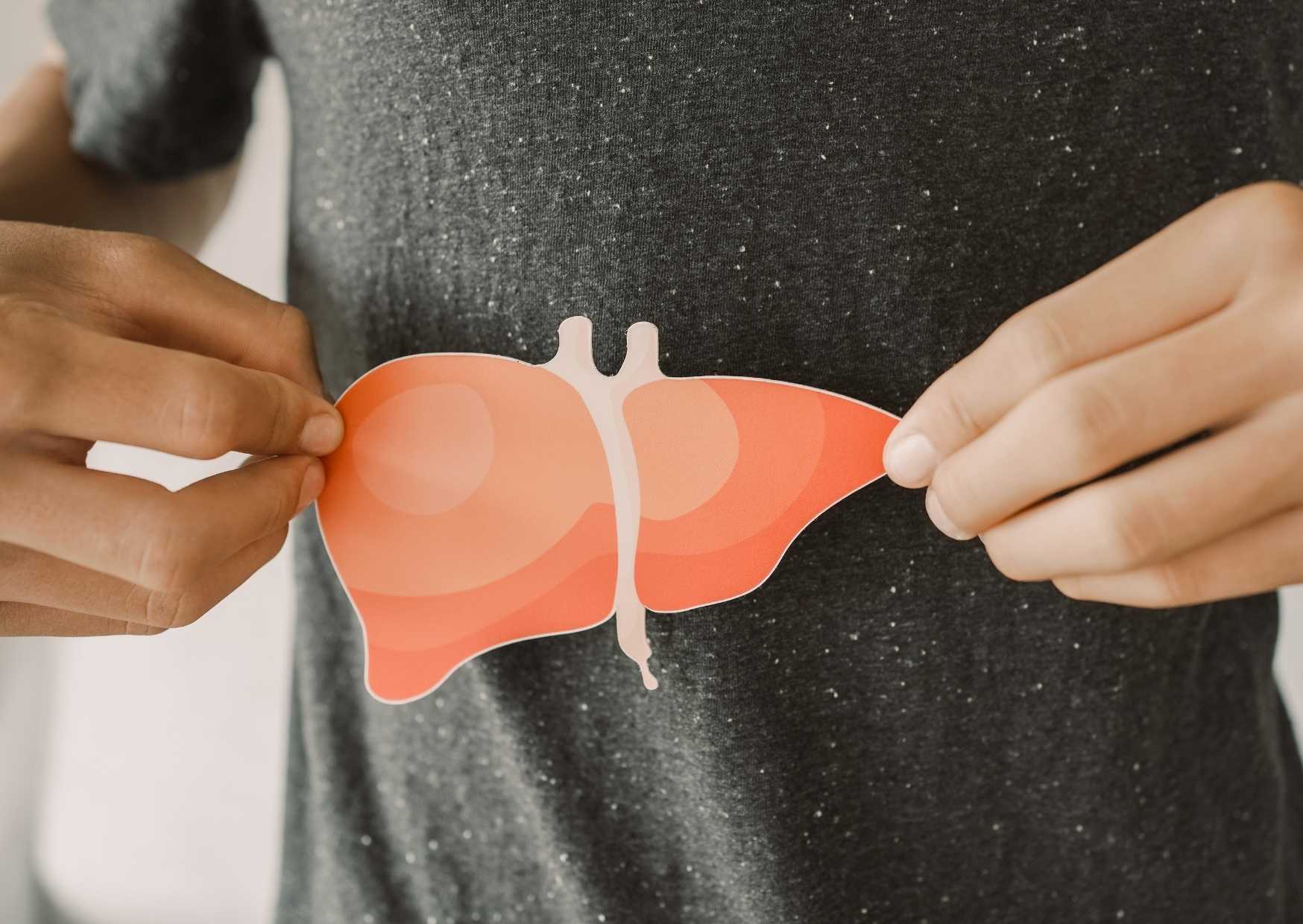 Understanding, recognizing, and treating fatty liver disease – actively supporting liver health
 -
 Dual strategy against Leaky Gut – Glutamine & fiber for a strong intestinal barrierA leaky gut doesn’t have to be a lasting problem. Glutamine and fiber can strengthen the intestinal barrier from within. Discover how this nutrient co...
 -
 Baobab (African baobab tree) – tradition and nutrient powerBaobab is known in Africa as a “tree of life”. Its nutrient-dense fruit is both a traditional remedy and a modern superfood.
 -
 Fibermaxxing – How Fiber Boosts Your HealthFibermaxxing is a nutrition trend for more health, satiety and gut balance. Learn how to integrate it sensibly into your everyday life.
 -
 Ultra-processed food: a danger to your metabolism and mental healthUltra-processed food puts strain on your body and mind. In this episode, we explain how these highly processed foods affect your metabolism and mental...
Prebiotic fibres with different benefits
Biomfiber PHGG (partially hydrolysed guar gum) is a well-tolerated, soluble dietary fibre with prebiotic properties. It serves as a nutrient source for beneficial gut bacteria and is fermented in the large intestine. This process produces short-chain fatty acids such as butyrate, which provide energy to the intestinal mucosa. PHGG is particularly suitable for the gentle, long-term stabilisation of the microbiome.
Protect focuses more on the intestinal barrier. The emphasis is on supporting the mucous membrane and its protective function – particularly during sensitive or stressful periods. In short: PHGG nourishes the microbiome, whilst Protect strengthens the barrier. Both approaches complement each other within the gut health concept.


Bacterial Cultures with a Diverse Composition
Biotic combines 17 selected bacterial strains with the complementary yeast culture Sacch. boul. It contains various representatives of the genera Lactobacillus, Bifidobacterium, and Streptococcus. In total, the formulation provides 47 billion colony-forming units (CFU) per daily serving.
The individual microorganisms differ, among other things, in terms of their strain characteristics, cultivation, and processing. For this reason, Biotic deliberately focuses on a diverse combination of different cultures.
The formulation is supplemented by Bio-Support™ technology, which is used to stabilize the microorganisms during manufacturing and storage. In this way, Biotic combines a high number of selected cultures with a formulation designed for diversity, quality, and stability.
Häufig gestellte Fragen zu Gut Health
Why is gut health so important for the entire body?
The gut is not only responsible for digestion, but also influences the immune system, metabolism, hormonal balance, and even mental well-being. A stable microbiome and an intact mucosal barrier are crucial for nutrient absorption, inflammation regulation, and long-term well-being.
When are enzymes beneficial?
An enzyme complex can be helpful when digestion is strained—for example, in cases of bloating, gas, or meals that are difficult to digest. Enzymes aid in the breakdown of proteins, fats, and carbohydrates, thereby relieving the strain on the gut.
What is PHGG, and why is it considered particularly well-tolerated?
PHGG (partially hydrolyzed guar gum) is a soluble dietary fiber that is highly tolerable. It ferments slowly and can contribute to the formation of short-chain fatty acids, which provide energy to the intestinal mucosa. PHGG is particularly well-suited for gentle, long-term support of the microbiome.
What does “Protect” stand for in the gut health concept?
Protect is primarily aimed at stabilizing the intestinal barrier. While prebiotic fiber nourishes the microbiome, Protect primarily supports the protective function of the mucosa—especially during sensitive phases.
How long does it take for the gut flora to change?
The microbiome reacts dynamically to diet and supplementation. Initial changes can occur after just a few weeks, but sustainable stabilization usually requires a consistent, long-term strategy.
Does a gut health regimen replace a healthy diet?
No. A gut health regimen or supplementation can provide support, but it does not replace a fiber-rich, varied diet, sufficient exercise, and stress management. Stable gut health is always the result of multiple factors.
Does a colon cleanse replace a healthy diet?
No. A gut health regimen or supplementation can be helpful, but it is no substitute for a high-fibre, varied diet, sufficient exercise and stress management. Good gut health is always the result of a combination of factors.


✓ CO₂-reduzierter Versand mit DHL GoGreen Plus

✓ Zahle schnell & sicher

✓ 30 Tage Geld-zurück-Garantie

✓ Flexible Zahlungsoptionen

✓ Sichere Kreditkarten Zahlungen

✓ Bequem per Rechnung zahlen