

Electrolytes | Hydration
A balanced supply of electrolytes is essential for performance, concentration, and well-being. Our isotonic hydration formulas provide essential minerals in high-quality citrate form for rapid absorption and optimal tolerance. They reliably support you during sports, in everyday life, and when you need extra fluids.
Electrolyte solutions for everyday life and sports
In modern daily life, stress levels, activity levels, and fluid needs change frequently. Well-designed electrolyte products offer a practical way to flexibly supplement daily fluid and mineral intake. Our formulations combine selected minerals with complementary ingredients such as riboflavin or D-ribose. This results in versatile solutions for various everyday situations, athletic activities, and active routines.
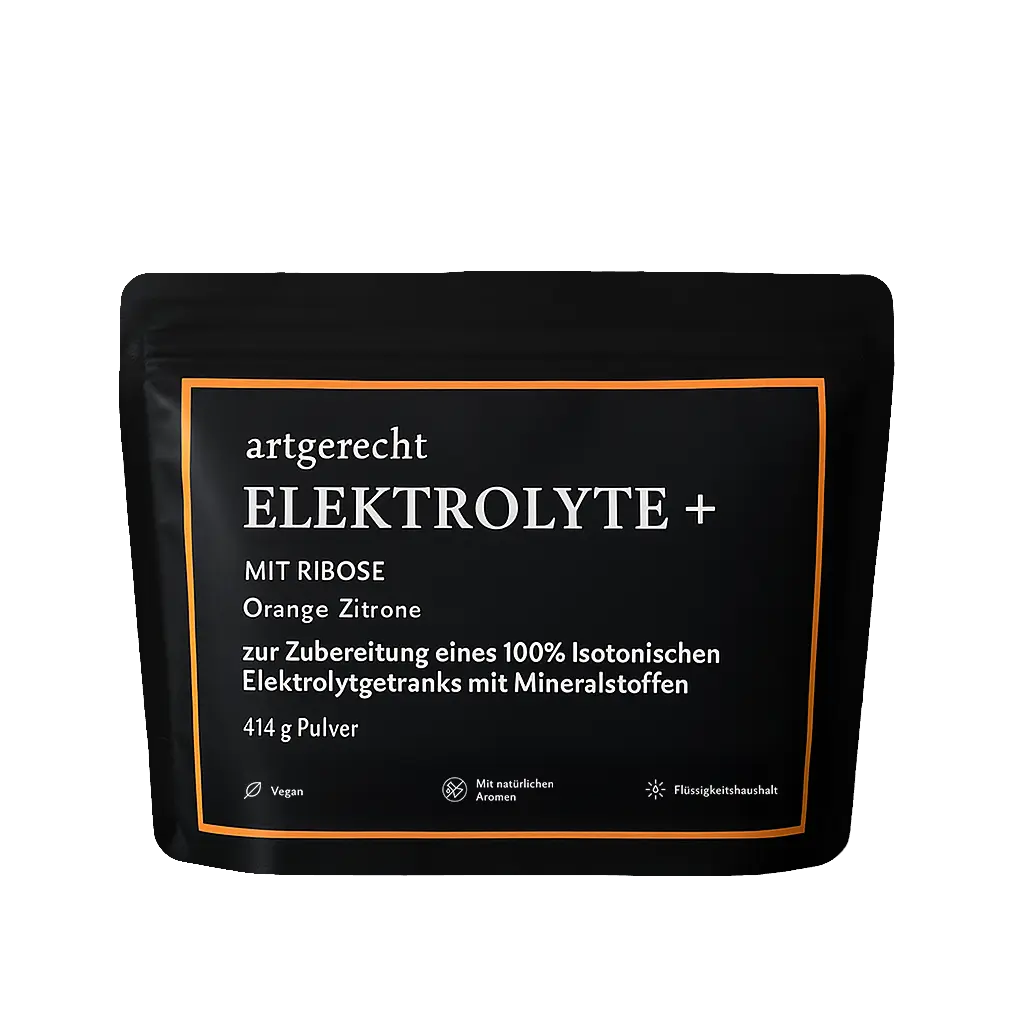
Premium Electrolyte Complex for Nerves², Muscles³ & Energy⁴
Premium Electrolyte Complex with Orange Flavor for Nerves, Muscles & Energy
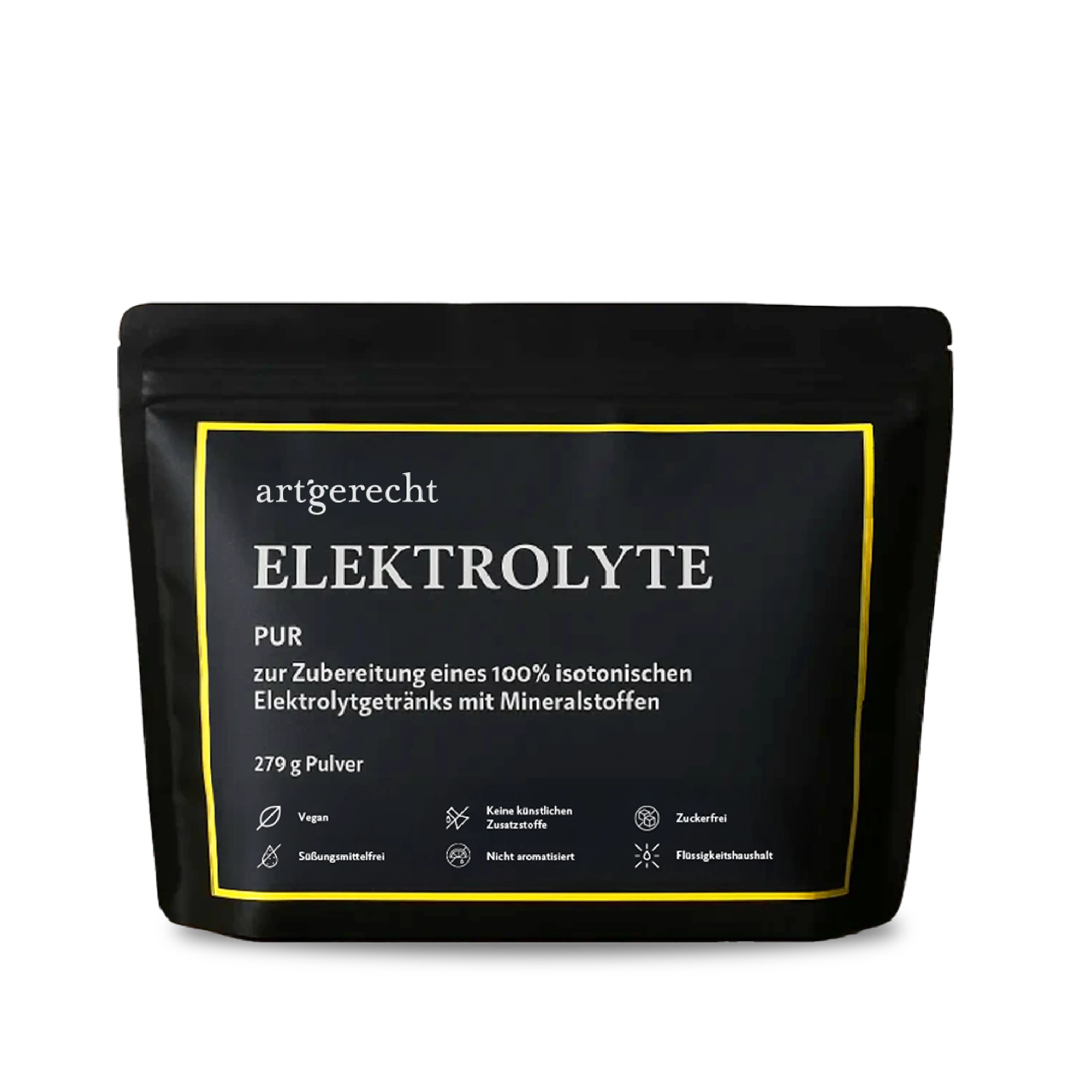
Pure. Isotonic. Effective. artgerecht Pure.
Replenish what you lack – naturally and fast

Quality Without Compromise
Fluid Balance, Hydration, and Electrolyte Intake
Our fluid balance, physical performance, and overall well-being are closely linked to adequate hydration and a balanced intake of electrolytes. Throughout the day, the body continuously loses fluids and minerals through sweating, breathing, and metabolic processes. These losses must be regularly replenished to maintain basic bodily functions. Physical activity, high temperatures, stress, or increased fluid requirements can further affect water and mineral balance and impact concentration, energy levels, and resilience.
Electrolyte Balance, Mineral Intake, and Fluid Balance
Stable hydration results from the interplay of adequate fluid intake, sufficient mineral intake, and a balanced electrolyte balance. Electrolytes such as sodium, potassium, magnesium, and calcium perform important functions in the body:
- Sodium helps maintain fluid balance
- Potassium contributes to normal muscle function
- Magnesium contributes to normal nervous system function
- Calcium contributes to normal muscle function
- Riboflavin contributes to normal energy metabolism
Optimal Hydration for the Body
Optimal hydration is not achieved through individual measures, but through the interplay of drinking habits, diet, and mindful routines. A holistic hydration routine includes, among other things:
- Regular and adequate fluid intake
- Replenishing mineral losses during high levels of physical activity
- Mindful consumption of caffeinated beverages and alcohol
- Adjusting fluid intake to temperature and exertion
- Supplementing with electrolytes when needed
When used strategically, electrolyte products can be easily incorporated into daily life and serve as a practical addition to a structured hydration routine.
Background information on Electrolytes & Hydration
-
 Electrolyte loss & hangovers – alcohol headaches explainedAfter a long night out comes the rough morning: headache, thirst, fatigue. See how electrolytes help take the sting out of a hangover.
 -
 Electrolytes – How to Refill Your Electrolyte Balance When DehydratedWhether from exercise, heat, or illness: electrolytes are lost quickly and must be replaced deliberately. Learn how to restore your electrolyte balanc...
 -
 Electrolytes for Heart Health – Why They Are EssentialElectrolytes play a decisive role for heart health. This article explains why potassium, magnesium and sodium matter so much for the heart.
 -
 Electrolytes: our body's invisible energy carriersWithout electrolytes, there would be no life. In this episode, we explain why sodium, potassium, calcium, magnesium and chloride are essential for our...
 -
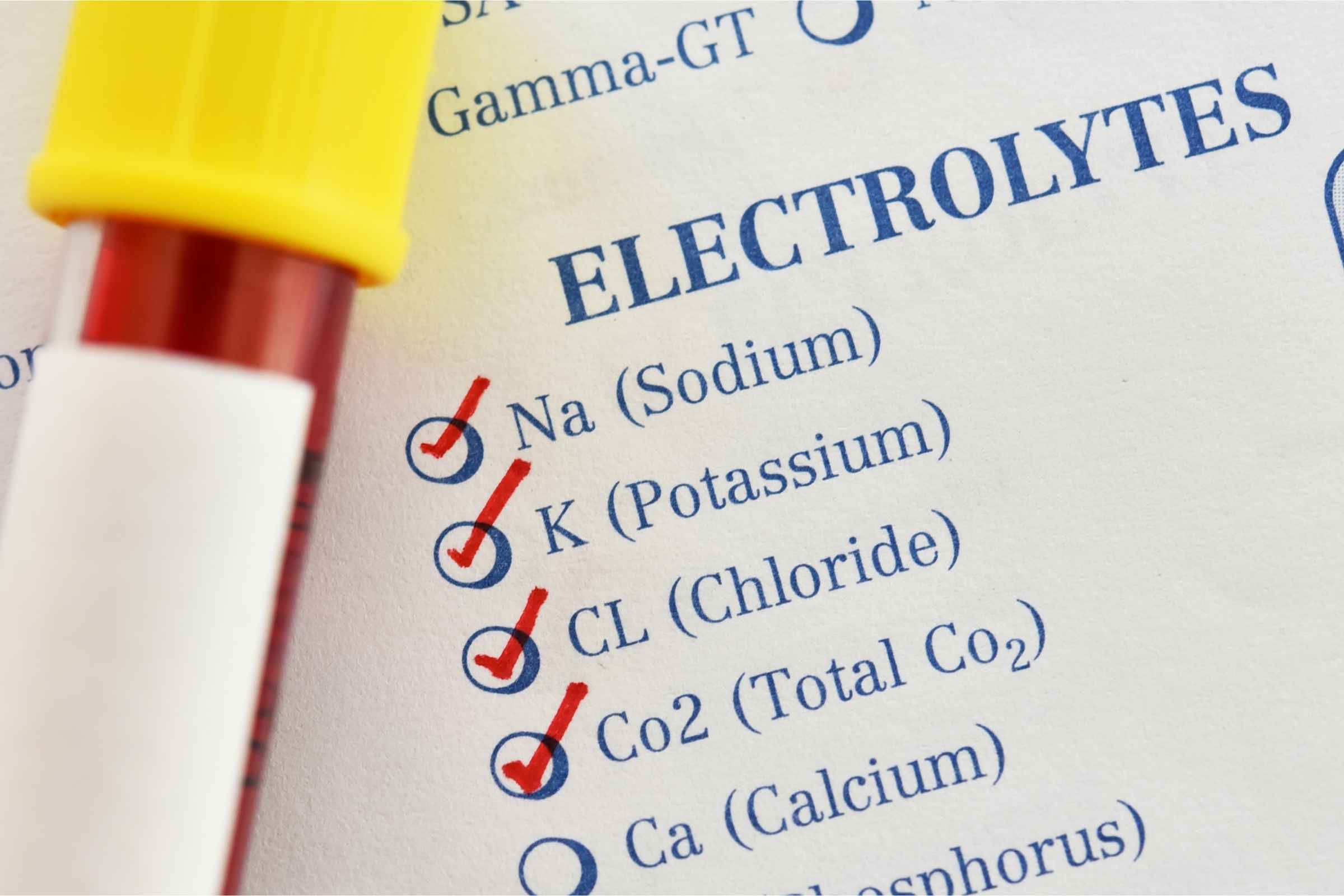 Electrolytes – The Invisible Directors of Our BodyElectrolytes control vital processes such as muscle contraction, nerve signaling and fluid balance. Discover why they are so essential for health and ...
Electrolytes During Exercise, Hot Weather, and Active Days
During physical activity, in high temperatures, or during intense daily activities, the body loses not only fluids but also minerals. Electrolytes such as sodium, potassium, magnesium, and calcium are essential for muscle function, nerve transmission, and maintaining electrolyte balance.
Consuming the right amount can help maintain mineral balance as part of a well-rounded diet. Especially during intense physical activity or in hot weather, it is important to ensure an adequate intake to optimize physical performance and stabilize fluid balance.

Electrolytes with Energy Components
In addition to traditional mineral combinations, modern electrolyte formulations are increasingly incorporating supplementary ingredients such as riboflavin or D-ribose. Our approach combines selected electrolytes with these additional nutrients in carefully balanced formulations. Riboflavin contributes to normal energy metabolism and functionally complements the mineral base. This results in versatile formulations that can be integrated into various everyday situations, travel phases, and training routines.
Our isotonic formula ensures that the body absorbs the electrolytes optimally, making these products ideal for times when fluid intake is increased. With high-quality citrate forms and a natural flavor, our products offer a convenient way to support hydration and provide the body with essential minerals.
Häufig gestellte Fragen zu Electrolytes & Hydration
What are electrolytes, and why are they important?
Electrolytes are minerals such as sodium, potassium, magnesium, and calcium that play a key role in regulating fluid and electrolyte balance in the body. They are essential for nerve and muscle function, as well as for maintaining healthy blood pressure. Adequate intake of electrolytes supports normal bodily function, especially during physical activity or increased fluid loss.
How can electrolytes help the body during intense physical activity?
During intense physical activity or in high temperatures, the body loses not only fluids but also important electrolytes through sweating. A targeted intake of electrolytes such as sodium, potassium, and magnesium helps maintain balance and support performance. An electrolyte intake tailored to individual needs can help stabilize muscle function and fluid balance.
When should you take electrolytes?
Electrolytes should be taken especially in situations where the body loses increased amounts of fluid and minerals. These include intense physical activity, hot temperatures, or illnesses such as fever and diarrhea, during which the body loses a lot of fluid.
What happens if I consume too many electrolytes?
Consuming too many electrolytes, especially sodium, can disrupt fluid balance and lead to a condition called hypernatremia, in which there is too much sodium in the blood. Excessive intake of other electrolytes, such as potassium or magnesium, is also not recommended and can cause health problems. It is important not to exceed the recommended daily intake and, if in doubt, to consult a healthcare professional to determine the correct dosage.
Which foods contain natural electrolytes?
Natural sources of electrolytes include:
- Sodium: Table salt, seafood, olives
- Potassium: Bananas, avocados, spinach, potatoes
- Magnesium: Nuts, seeds, whole grains, leafy green vegetables
- Calcium: Leafy green vegetables, tofu, almonds, fortified plant-based milk
How much water should I drink each day?
The amount of water you need depends on various factors, such as body weight, activity level, temperature, and overall health. In general, it is recommended to drink about 2 to 3 liters of water daily. During periods of increased fluid needs, such as during intense exercise or hot weather, it may be important to also consume electrolytes to help maintain fluid and electrolyte balance.
What are the best foods to help me stay hydrated?
In addition to water, some of the best hydrating foods include watermelon, cucumbers, citrus fruits, and berries. These foods are composed largely of water and also provide valuable vitamins and minerals that support hydration.


✓ Go Green: CO2-neutraler Versand

✓ Zahle schnell & sicher

✓ 30 Tage Geld-zurück-Garantie

✓ Flexible Zahlungsoptionen

✓ Sichere Kreditkarten Zahlungen

✓ Bequem per Rechnung zahlen