Your fresh start in 2026: A cure for many resolutions – now with a 15% early bird discount!


A bloated belly, pressure after eating, or irregular digestion – many people know these symptoms but not the cause. One possible culprit: certain sugars and sugar alcohols that are hard to digest, known as FODMAPs.
The FODMAP diet was developed to help people with irritable bowel syndrome (IBS) and other digestive disorders reduce symptoms through targeted nutrition. This article explains what the diet is, how it works, and which foods are allowed or best avoided.
What Is the FODMAP Diet?
Created by researchers at Monash University in Australia, the term FODMAP stands for Fermentable Oligo-, Di-, Monosaccharides and Polyols. These carbohydrates are poorly absorbed in the small intestine. In the colon, theyre fermented by bacteria, producing gas that can cause bloating, pain, diarrhea, or constipation.
Typical High-FODMAP Foods
Many with sensitive digestion dont realize everyday foods may be to blame. Heres a quick overview of common high-FODMAP foods to reduce in the elimination phase:
- Fruits high in fructose: apples, pears, mango, watermelon
- Vegetables: onions, garlic, cauliflower, broccoli (stems)
- Legumes: beans, lentils, chickpeas
- Dairy: milk, yogurt, soft cheeses
- Sweeteners: sorbitol, mannitol, xylitol, maltitol
- Grains: wheat, rye, barley
What Can You Eat on the FODMAP Diet?
The good news: low-FODMAP doesnt mean boring! There are plenty of well-tolerated alternatives that soothe digestion and still taste great.
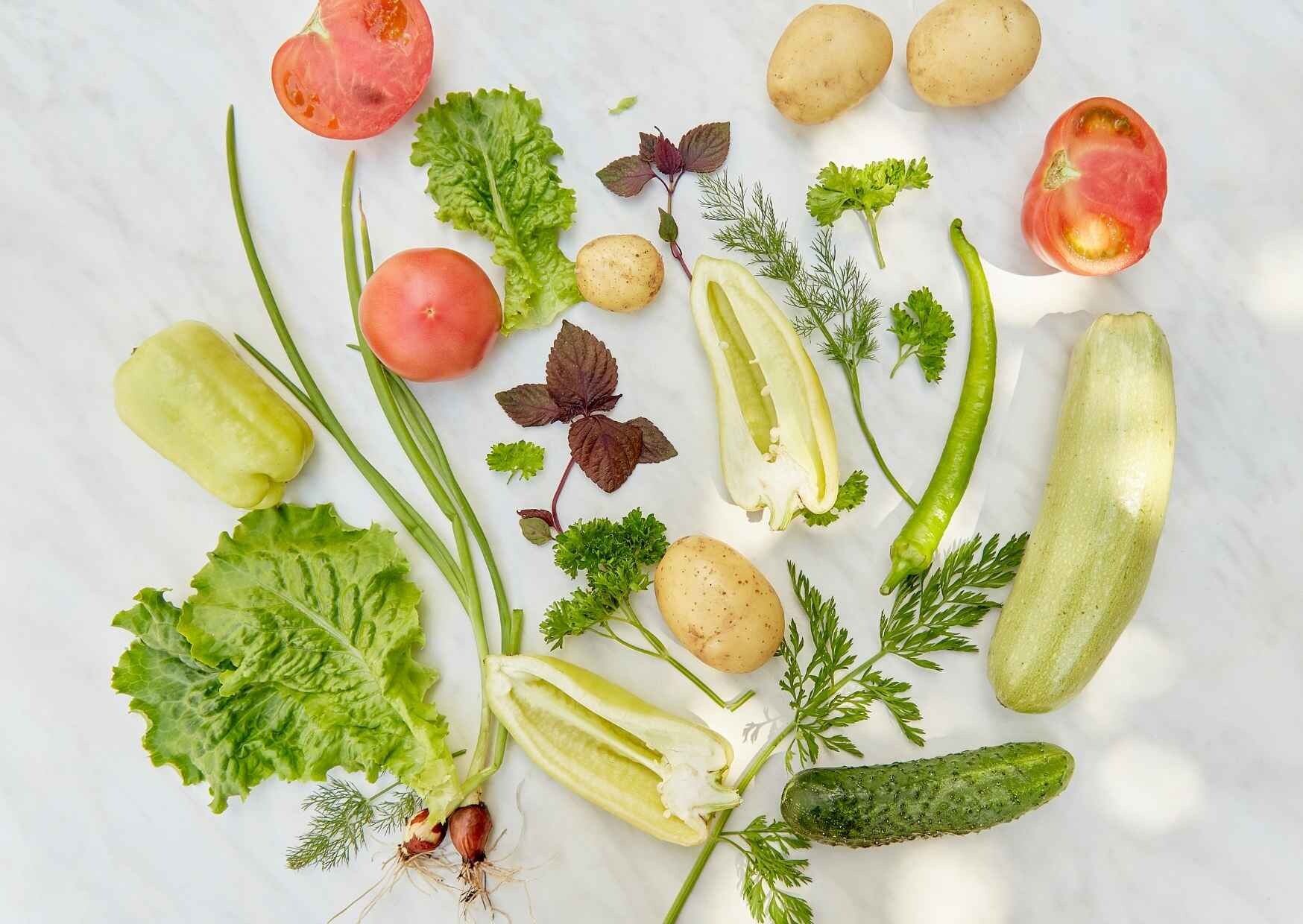
- Vegetables: carrots, zucchini, spinach, pumpkin, tomatoes
- Fruit: bananas, strawberries, blueberries, grapes, oranges
- Protein: meat, fish, eggs, firm tofu
- Grains & Carbs: rice, quinoa, oats, millet, gluten-free pasta
- Dairy alternatives: lactose-free milk, almond milk, rice milk
- Fats & Oils: olive oil, butter, nuts
With these foods, you can build a balanced and delicious diet that supports your gut and reduces symptoms sustainably.
How the FODMAP Diet Works
The diet follows three phases to identify personal triggers and create long-term balance:
1 – Elimination Phase (2–6 weeks)
All high-FODMAP foods are avoided completely to calm the digestive system. Most people notice significant relief after 2–3 weeks.
2 – Reintroduction Phase
Gradually reintroduce one FODMAP group per week – e.g.:
- Week 1: fructose (honey or applesauce)
- Week 2: lactose (milk or yogurt)
- Week 3: fructans (garlic or wheat bread)
This helps determine which groups cause symptoms.
3 – Long-Term Maintenance
After testing, youll know your personal triggers and can return to a varied, balanced diet that avoids only problematic foods.
Common Mistakes to Avoid
- Being too restrictive: overly limiting foods risks nutrient deficiencies and monotony.
- No professional guidance: a dietitian can ensure variety and proper nutrient intake.
- Unrealistic expectations: improvements often appear after a few weeks – patience is key.
- Testing too many FODMAPs at once: always reintroduce one group at a time to spot true triggers.
Conclusion – A Calmer, Healthier Gut
The FODMAP diet is an evidence-based method to relieve IBS and digestive discomfort. With the right knowledge and support, you can reduce bloating, cramps, and irregular digestion sustainably while rebuilding confidence in your gut health.
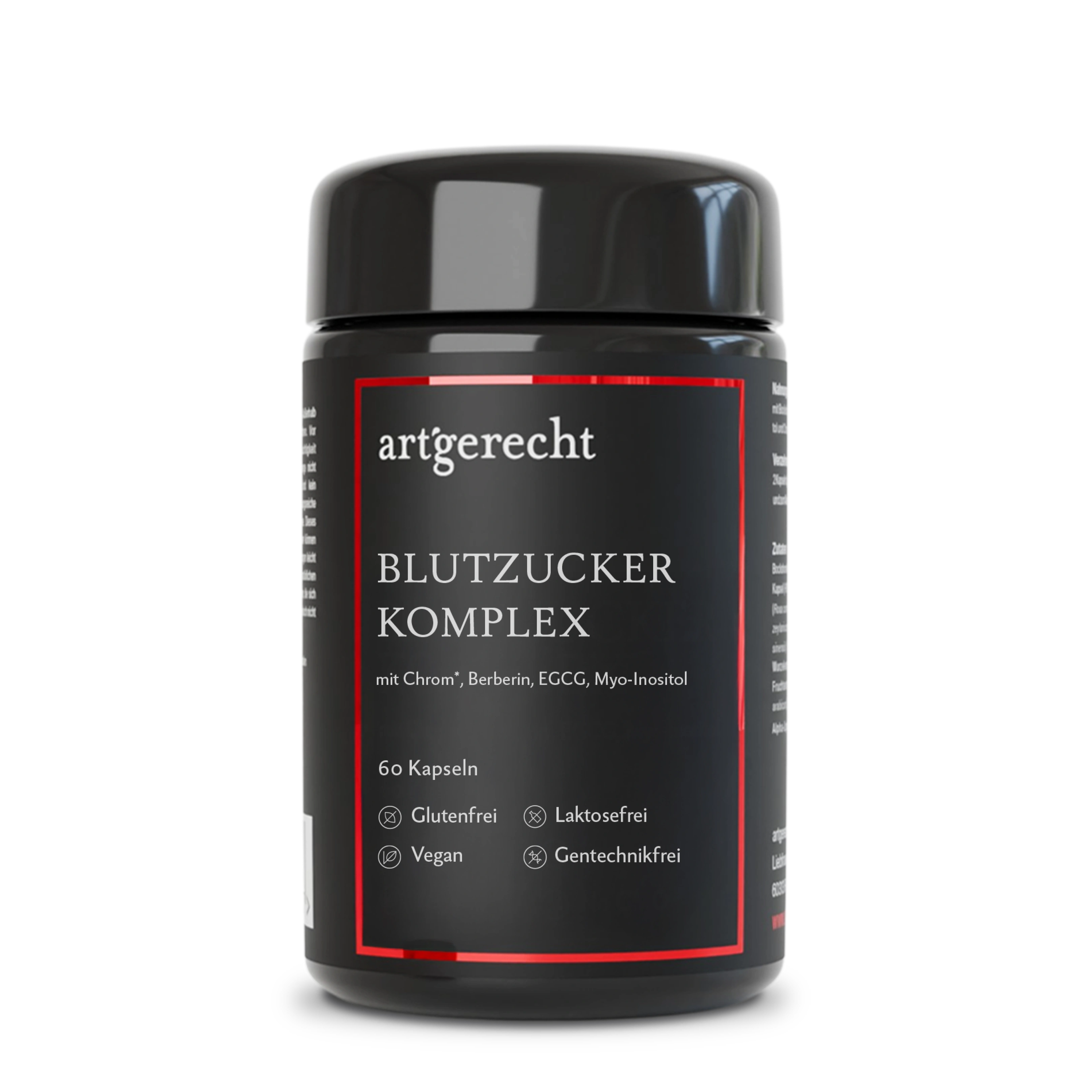
 UV-protected glass
 Non-GMO
 Product listed on the Cologne List®
 Gluten-free
 Lactose-free
 Vegan
Vegan

 Lab-tested
 No artificial additives

 100% vegetarian fermentation