

Vitamins | Minerals
Vitamins and minerals are the foundation of a balanced nutrient intake. Our formulations consistently rely on organically bound micronutrients, high-quality, certified ingredients, and carefully balanced dosages to ensure optimal absorption. This creates a high-quality foundation for your daily nutritional needs.
The foundation of your daily care
Vitamins, minerals and trace elements are essential for virtually all bodily processes. They support energy metabolism, contribute to the normal functioning of the immune system, play a part in cell division and are vital for the health of nerves, muscles and hormonal balance. As the body cannot produce many of these micronutrients itself, a regular intake through diet or targeted supplementation is crucial.

Essential Vitamin for Eyes, Skin, and Immune System
High-Dose Support for Cells & Immune Defense

High-dose vitamin C from rosehip extract
Natural vitamin C from rosehip
For your immune system, bones and teeth
OSOLE is gently produced using full-spectrum extraction from purely organic raw material sources.

Daily basic supply: the complete spectrum of micronutrients
Natural multivitamin complex for the immune system, energy, and central body functions

Essential trace element for your health & well-being
High-purity organic zinc compounds for the immune system, skin & hair

Holistic support for energy metabolism, nervous system & immune system²
Active Methylcobalamin (Vitamin B12) spray with 5x increased bioavailability
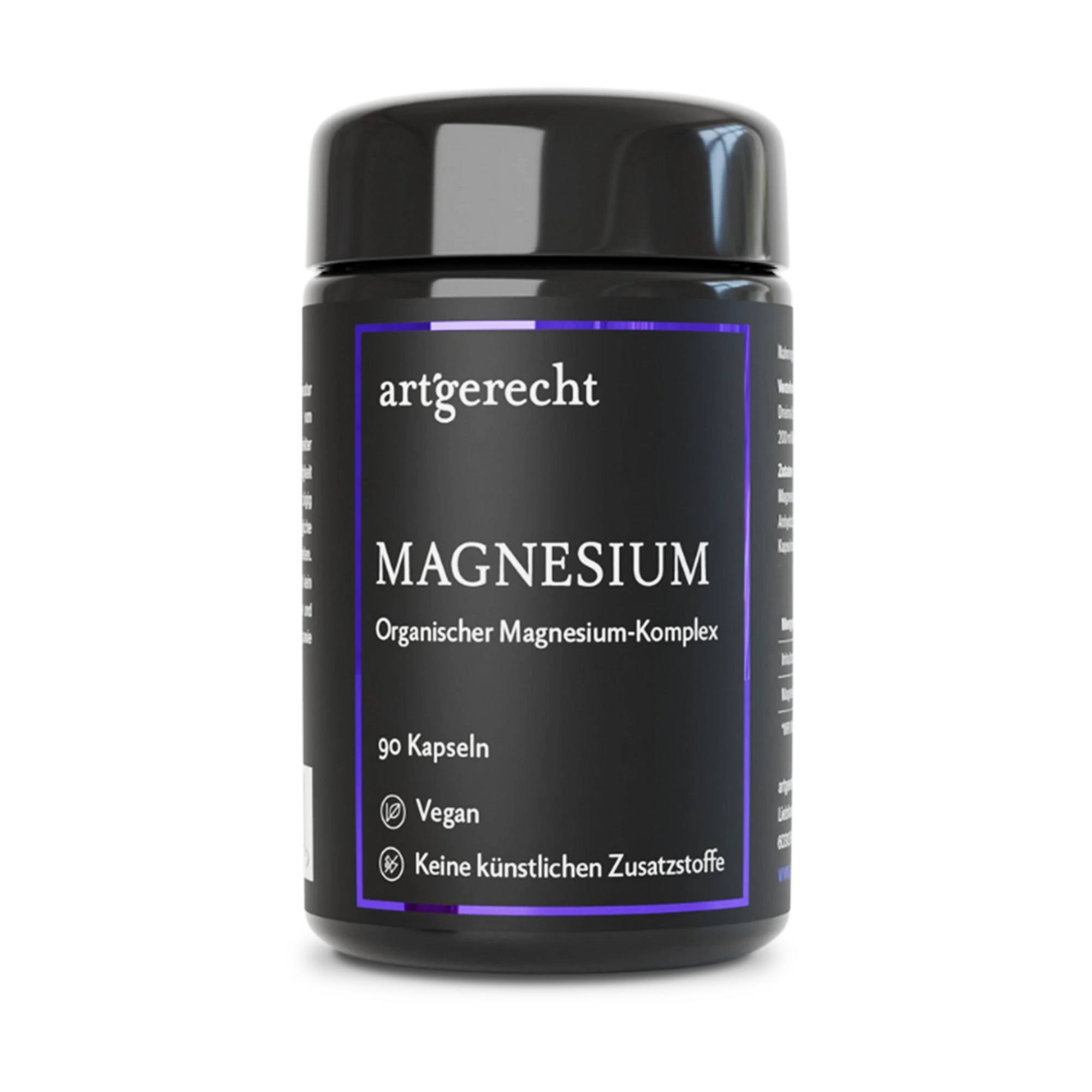
For your daily magnesium needs
Organic magnesium complex to reduce fatigue and tiredness and support normal muscle function

Quality Without Compromise
Vitamins & Minerals: More than just the basics
Vitamins are organic compounds which, with a few exceptions, the body cannot produce itself. They must therefore be obtained regularly through diet. A distinction is made between fat-soluble vitamins (A, D, E, K) and water-soluble vitamins (e.g. vitamin C and B vitamins).
Minerals and trace elements are inorganic nutrients. Minerals such as calcium, magnesium and potassium are found in the body in larger quantities, whereas trace elements such as iron, zinc and selenium are required only in small amounts – yet play an equally important role.
What do vitamins and minerals help with?
In addition to energy metabolism, immune function and hormonal regulation, they perform numerous other functions:
- Blood formation & oxygen transport (e.g. iron, vitamin B12, folic acid)
- Maintenance of skin, hair and mucous membranes (e.g. biotin, zinc, vitamin A)
- Fluid balance & electrolyte balance (e.g. sodium, potassium, magnesium)
- Nerve and signal transmission (e.g. magnesium, calcium, B vitamins)
- Collagen formation & tissue structure (e.g. vitamin C, copper)
- Oxygen utilisation and cell protection (e.g. iron, selenium)
They rarely operate in isolation, but rather within complex networks.
Who has an increased need for certain vitamins?
The need for micronutrients varies from person to person and can differ depending on one’s stage of life or circumstances:
- Pregnant and breastfeeding women: increased requirements for folic acid, iron, iodine and vitamin D
- Older people: often increased requirements for vitamin D, B12 and calcium
- People who exercise regularly: increased requirements for magnesium, iron and electrolytes
- Vegetarians/vegans: particular attention should be paid to vitamin B12, iron, zinc and omega-3
- People with limited sun exposure: often lower vitamin D levels
- People experiencing stress or high levels of strain: increased consumption of certain B vitamins and magnesium
Certain medical conditions or medications can also affect absorption or utilisation.
Background information on Vitamins & Minerals
-
 DEEP DIVE: Multivitamins – Important nutrients for your healthMultivitamins play a central role in your health. In this episode, we explain which vitamins and minerals are particularly important and how you can i...
 -
 Vitamin B12: A comprehensive overview of vitamin B12 and its importance for healthVitamin B12: A comprehensive overview of Vit B12 and its importance for health Vitamin B12 (Vit B12) is a key member of the B vitamins that is essenti...
 -
 Consultation hour - your questions about supplements, food supplements, vitamins and mineralshealth nerds - The podcast about species-appropriate living Many questions have reached us about the current podcast episode: ""Food supplements: Whic...
 -
 Natural vitamins: Why they are so important for our healthVitamins are essential for life and are required in the body for numerous functions and metabolic processes. Due to our modern lifestyle, we do not al...
Energy metabolism & cell function
Many B vitamins, magnesium and certain trace elements play a direct role in energy metabolism. They support enzymatic processes in the mitochondria – the ‘powerhouses’ of the cells – and enable the efficient production of ATP. Furthermore, they are essential for:
- Cell division and regeneration
- Protein synthesis
- Nerve conduction
- Muscle function
A stable supply of micronutrients is therefore crucial for physical performance, concentration and general vitality.


Immune system & antioxidant protection
Vitamins such as vitamin C and vitamin D, as well as trace elements such as zinc and selenium, contribute to the normal functioning of the immune system. They support the activity of immune cells and play a role in regulating inflammatory processes.
At the same time, they play a key role in the body’s antioxidant defence system. Oxidative stress is caused by factors such as environmental pollution, intense physical activity or chronic stress. Micronutrients with antioxidant properties help to neutralise free radicals and protect cellular structures.
Häufig gestellte Fragen zu Vitamins & Minerals
What is the difference between vitamins, minerals and trace elements?
Vitamins are organic compounds that the body cannot produce in sufficient quantities on its own. Minerals are inorganic nutrients. When they are required in larger quantities (e.g. magnesium, calcium), they are referred to as minerals; when required in very small quantities (e.g. iron, zinc, selenium), they are referred to as trace elements.
Why are vitamins and minerals important to take every day?
The body cannot store many micronutrients, or can only store limited amounts. As they play a key role in central regulatory processes, a continuous supply through diet or targeted supplementation is essential.
Can I meet my nutritional needs through diet alone?
A varied, unprocessed diet is the best foundation. However, factors such as stress, intense physical activity, pregnancy, limited exposure to sunlight or specific dietary patterns can increase your requirements. In such cases, taking a supplement may be advisable.
Who should pay particular attention to their intake of micronutrients?
People with an unbalanced diet, vegetarians or vegans (e.g. vitamin B12), older people (e.g. vitamin D), pregnant women (e.g. folic acid, iron), as well as those who are physically active or under significant stress, often have increased nutritional requirements.
Are there differences in the quality of micronutrient supplements?
Yes. Key factors include the quality of the raw materials, bioavailability, appropriate dosage and the combination of ingredients. High-quality supplements rely on easily absorbed compounds and avoid unnecessary additives.
Can I combine several vitamins and minerals?
Many micronutrients work together and complement one another. However, it is important to ensure the correct dosage and a balanced ratio, as certain minerals can affect each others absorption.
How can I tell if there is a potential deficiency?
Non-specific symptoms such as fatigue, difficulty concentrating, brittle nails or reduced stamina may be indicative of a deficiency. Targeted laboratory tests can provide clarity regarding an individuals nutritional status.
Should fat-soluble and water-soluble vitamins be treated differently?
Yes. Fat-soluble vitamins (A, D, E, K) are stored in the body and should not be taken in excessive doses over a long period. Water-soluble vitamins (e.g. vitamin C, B vitamins) are usually excreted when in excess and must be consumed regularly.


✓ Go Green: CO2-neutraler Versand

✓ Zahle schnell & sicher

✓ 30 Tage Geld-zurück-Garantie

✓ Flexible Zahlungsoptionen

✓ Sichere Kreditkarten Zahlungen

✓ Bequem per Rechnung zahlen