Can the plant compound resveratrol really support healthy aging?
Resveratrol is a natural polyphenol found in red grape skins, berries and other plants. It has been widely studied for anti-aging and other health effects. As an antioxidant and anti-inflammatory compound, it influences multiple cellular pathways. Below we summarise human-relevant benefits.
What are polyphenols and how do they act?
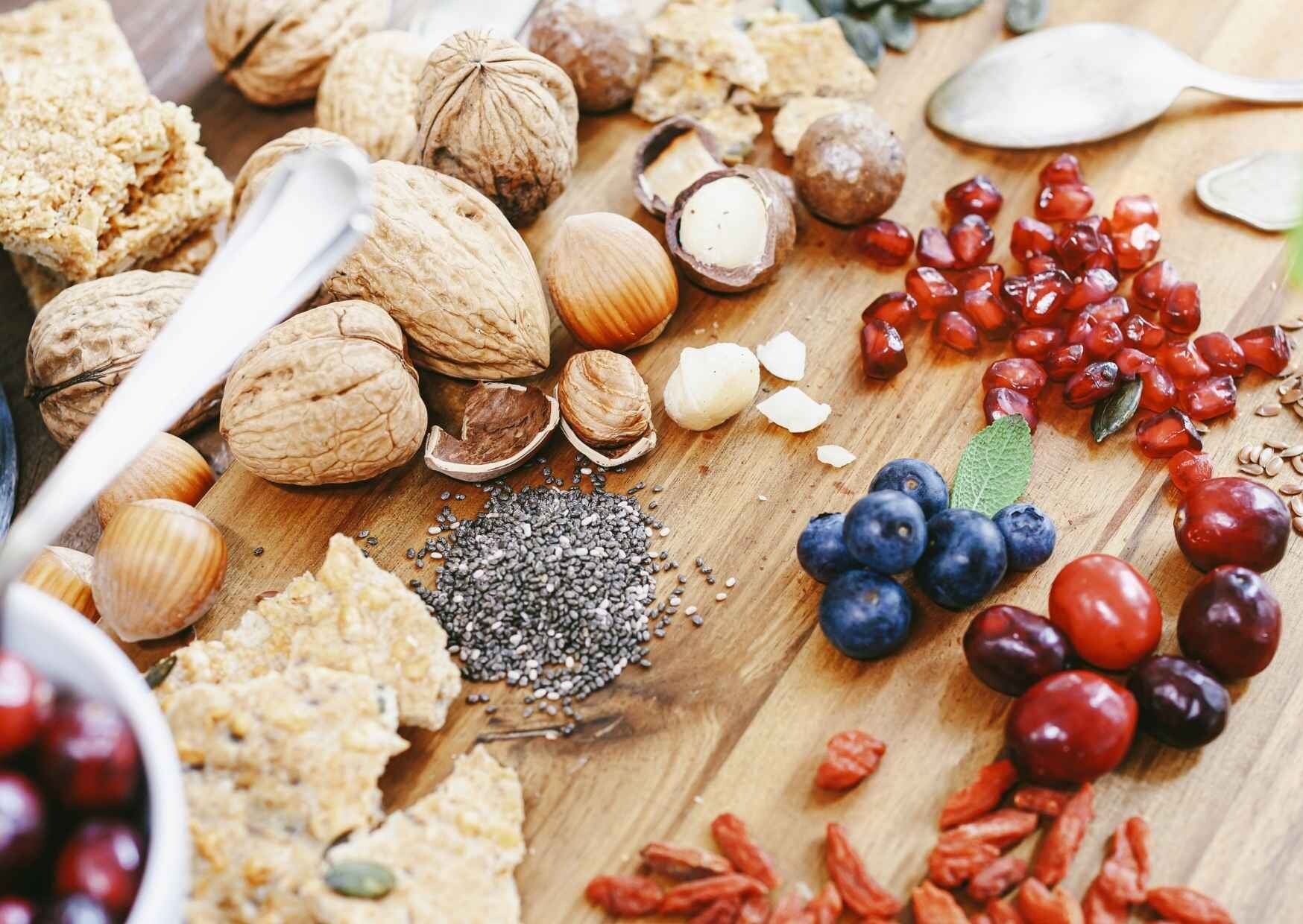
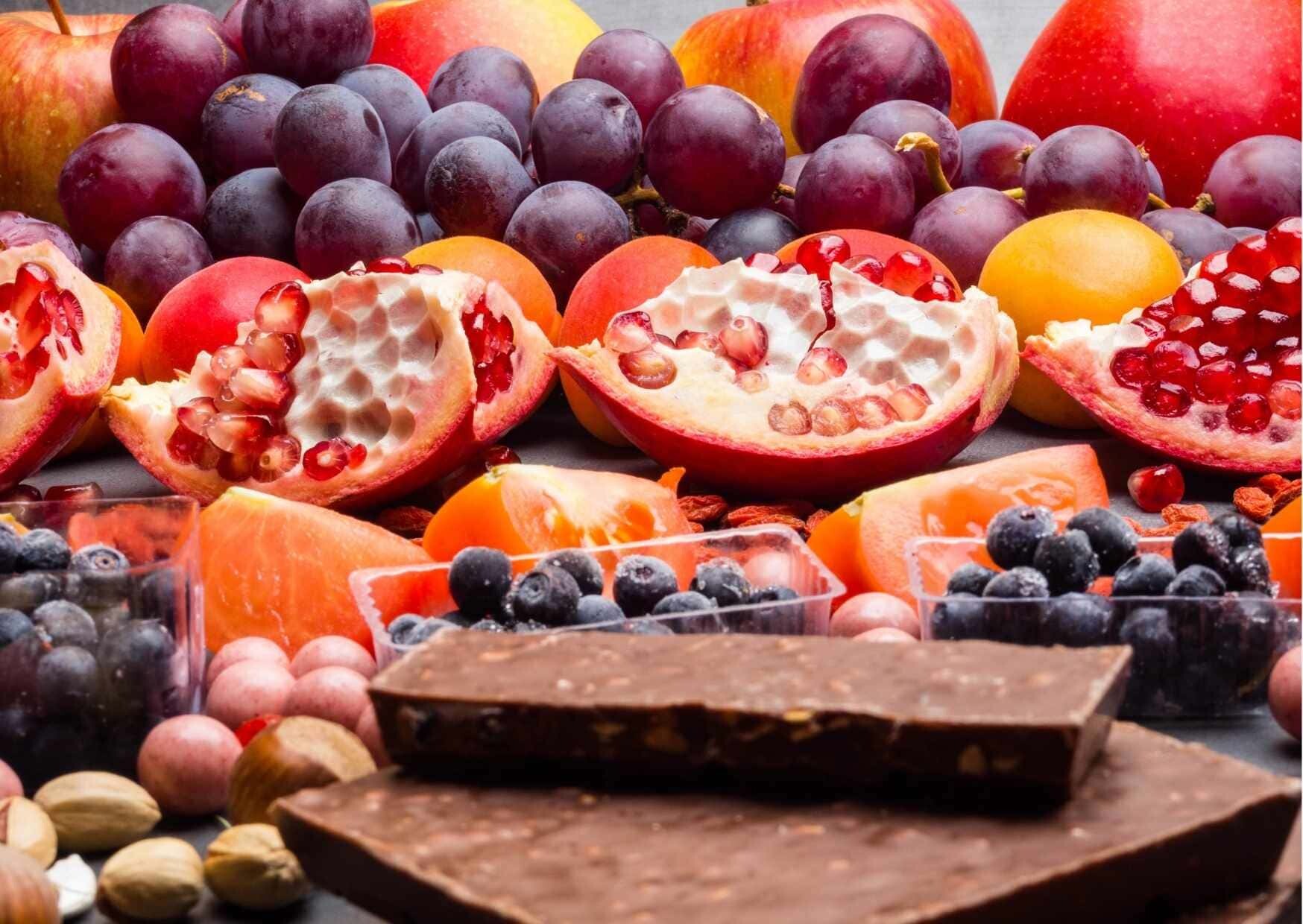
Polyphenols are secondary plant compounds with strong antioxidant and anti-inflammatory properties and may benefit cardiovascular function and blood pressure. Rich sources include berries, apples, grapes (and red wine), tea, coffee, cocoa, dark chocolate, onions, leafy greens and olive oil.
Anti-aging effects of resveratrol
Laboratory data suggest resveratrol can influence aging markers via sirtuins (e.g., SIRT1) and AMPK, supporting cellular repair, mitochondrial biogenesis and autophagy. Early human data indicate potential to support healthy cellular function.
Resveratrol in skincare
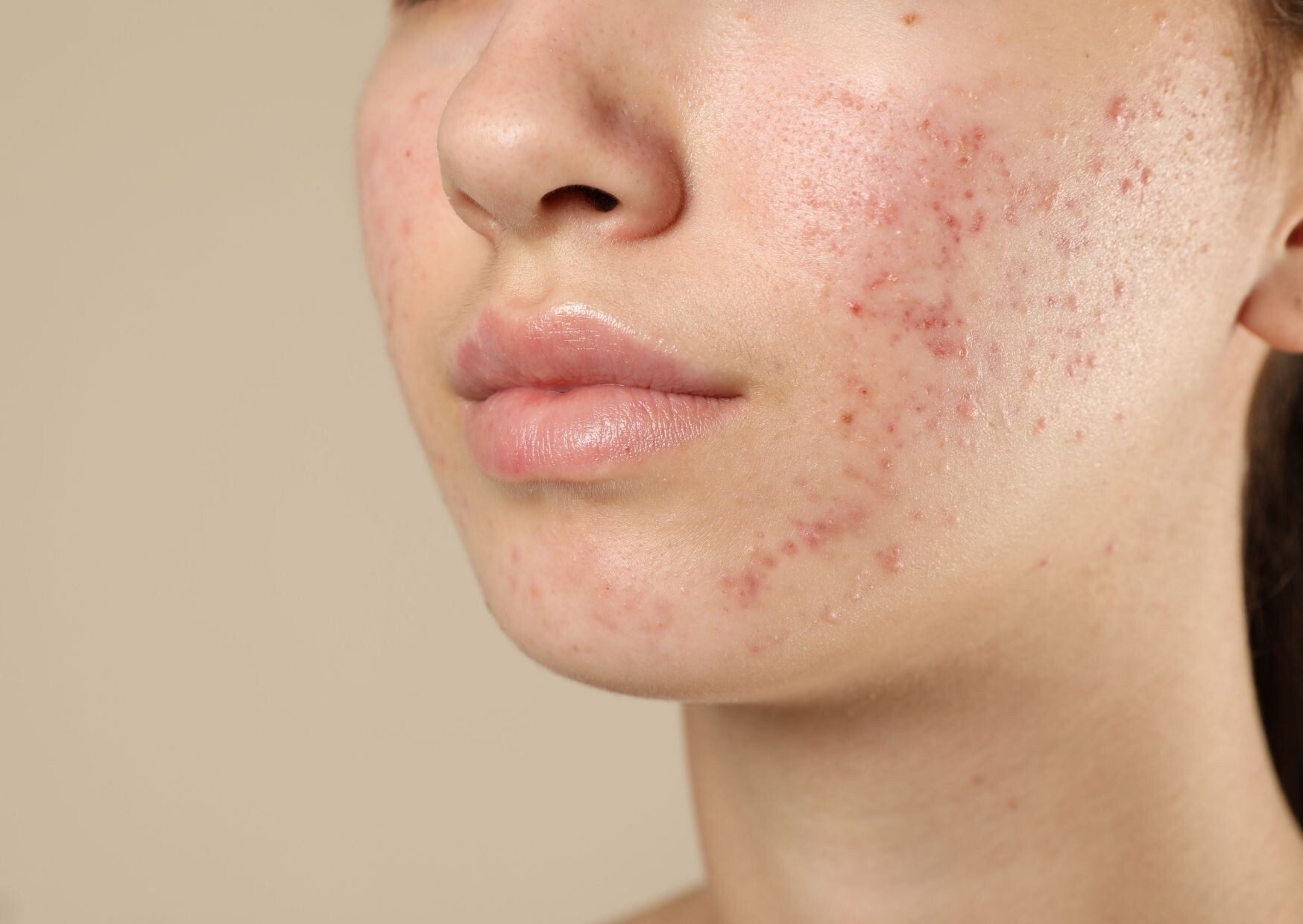
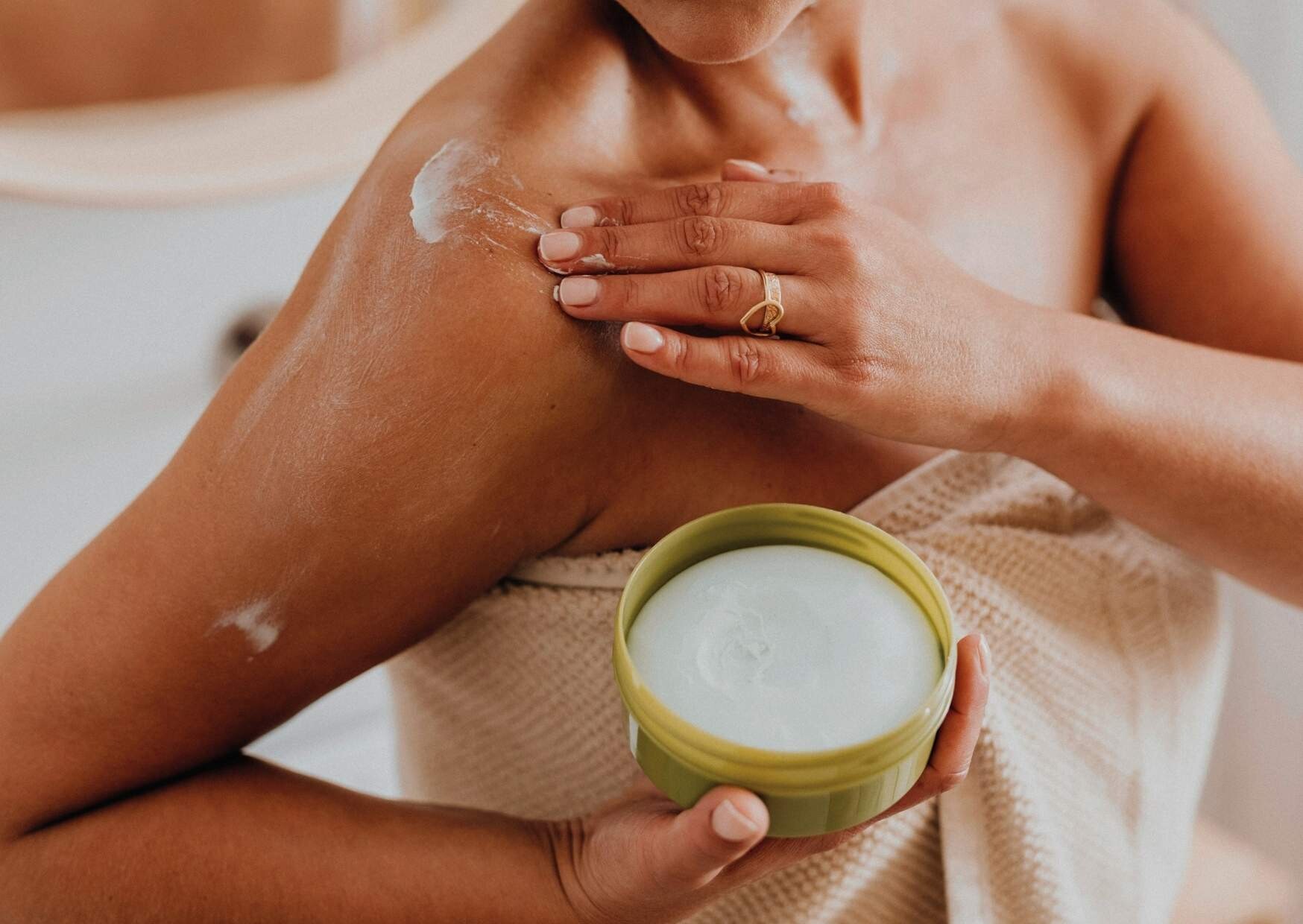
On skin, resveratrol helps counter oxidative stress (UV, pollution), may inhibit collagen-degrading enzymes (e.g., MMP-1), support regeneration and elasticity, and reduce signs of photoaging. Synergies with antioxidants like vitamin E and baicalin have been shown in controlled trials.
Cardiovascular support
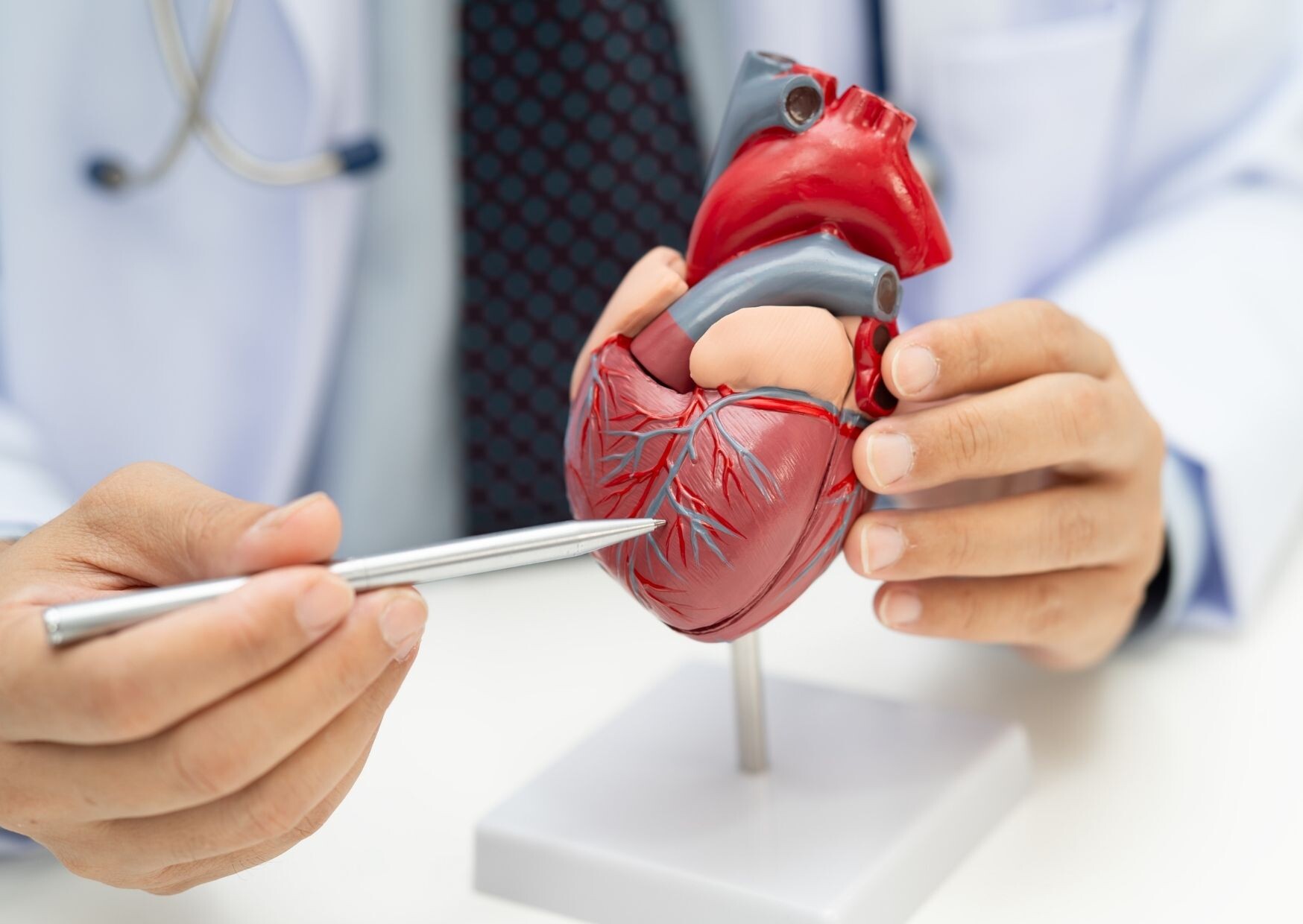
Resveratrol shows vasoprotective actions, improving endothelial function (e.g., flow-mediated dilation) dose-dependently in trials. Studies in patients report improvements in vascular elasticity and selected cardiac parameters alongside reductions in blood pressure, LDL, triglycerides and inflammatory markers.
Natural anti-inflammatory
Chronic, low-grade inflammation and oxidative stress drive aging and many chronic conditions. Resveratrol may down-modulate pro-inflammatory mediators (e.g., TNF-α, MCP-1) while supporting antioxidant defences.
Metabolic benefits
Human studies (various populations) report improvements in fasting glucose, insulin sensitivity (HOMA-IR), blood pressure and hepatic fat/triglycerides with 30–250 mg/day in defined settings.
Takeaway
Recent evidence paints a largely positive picture: across vascular, metabolic and cellular endpoints, resveratrol is a promising, health-supportive compound with potential roles in healthy aging and prevention.
Related read: For skin-focused uses, see this article.
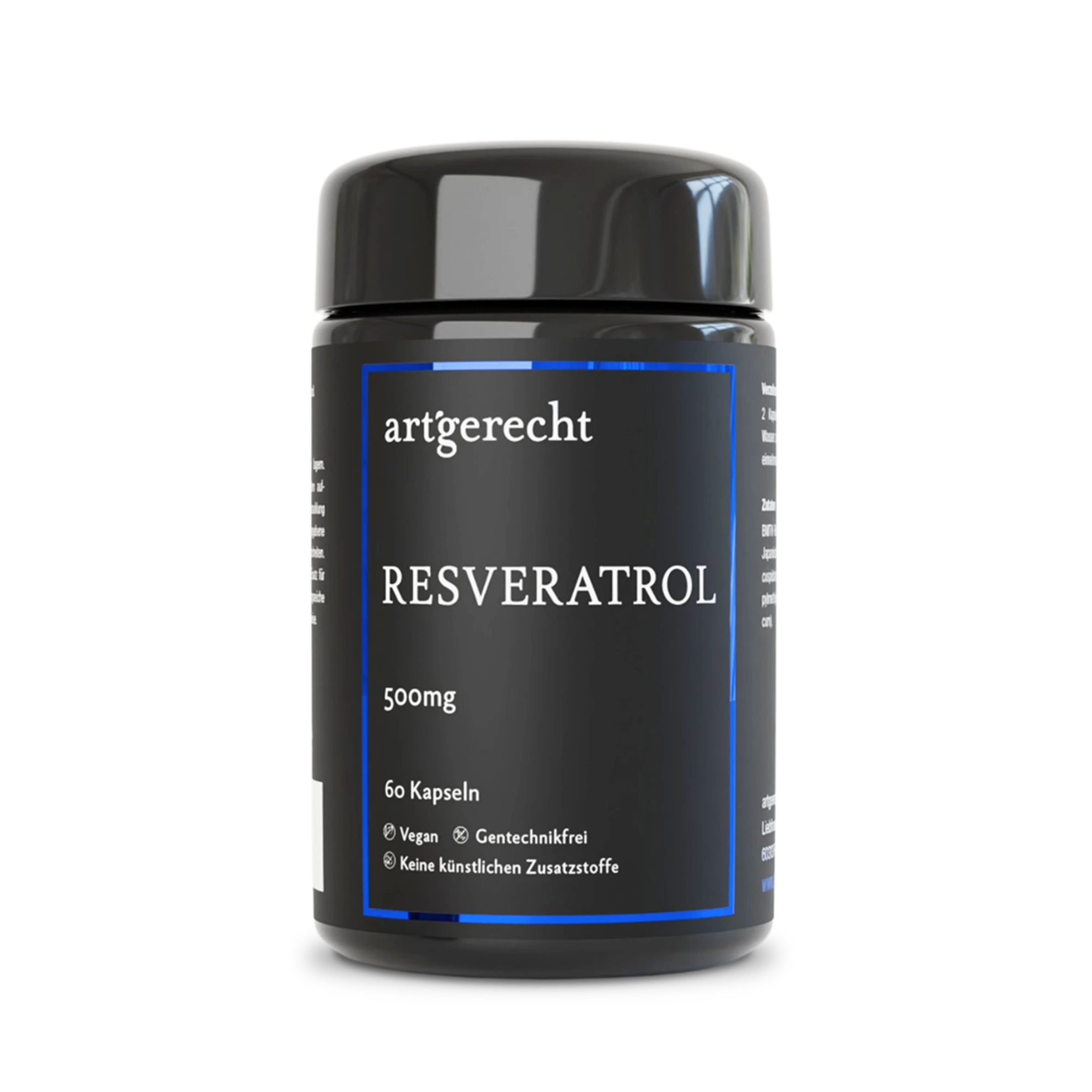
 UV-protected glass
 Lab-tested
 Non-GMO
 No artificial additives
 Product listed on the Cologne List®
 Gluten-free
 Lactose-free
 100% vegetarian fermentation

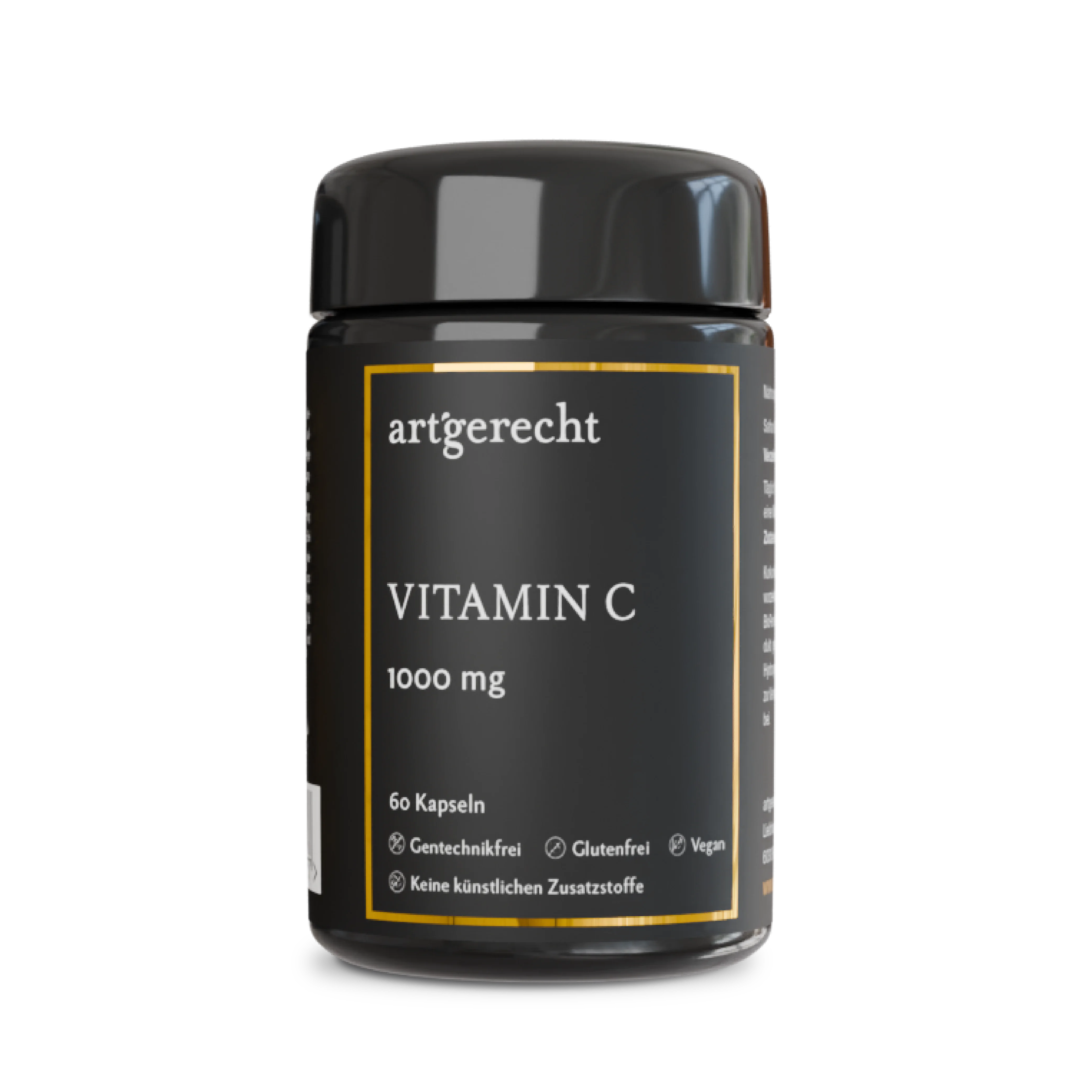
 Vegan
Vegan