- 1. Biochemical basics and absorption of omega-3 fatty acids
- 2. Integration into cell membranes and effects on membrane structure
- 3. Formation of bioactive lipid mediators and their immunomodulatory functions
- 4. Effects on the cardiovascular system
- 5. Neuroprotective effects and importance for cognitive functions
- 6. Immunomodulation and therapeutic applications in chronic diseases
- 7. Bioavailability, dosage recommendations and practical considerations
- Conclusion

Omega-3 fatty acids belong to the essential polyunsaturated fatty acids (PUFAs) that are indispensable for humans, as the body cannot synthesize them in sufficient quantities on its own. Their importance spans numerous physiological processes, ranging from cell membrane structure to the modulation of complex inflammatory reactions. In particular, research into chronic diseases such as cardiovascular and neurodegenerative disorders is increasingly highlighting the relevance of omega-3 fatty acids.
In this article, we deepen the understanding of the mechanisms of action of omega-3 fatty acids at the molecular level and examine their impact on various organ systems. We draw on current scientific findings and present relationships that are relevant for clinical and practical work.
1. Biochemical basics and absorption of omega-3 fatty acids
Omega-3 fatty acids are characterized by a double bond at the third position from the omega end of the fatty acid chain. This structure gives them their characteristic properties. The most important omega-3 fatty acids in human metabolism are alpha-linolenic acid (ALA), eicosapentaenoic acid (EPA) and docosahexaenoic acid (DHA).
While ALA is found predominantly in plant-based sources, EPA and DHA occur mainly in marine foods such as fatty sea fish. The conversion of ALA into the biologically active long-chain omega-3 fatty acids EPA and DHA is limited in humans and usually amounts to less than 10%. This makes the direct intake of EPA and DHA through diet or supplements necessary to achieve physiologically effective concentrations.
After oral intake, omega-3 fatty acids are absorbed in the small intestine and packaged into chylomicrons, which enter the bloodstream via the lymphatic system. Bioavailability varies depending on the chemical form of the fatty acid, for example triglyceride form versus ethyl ester form.
2. Integration into cell membranes and effects on membrane structure
A central mechanism of action of EPA and DHA is their integration into the phospholipid bilayer of cell membranes. Due to their multiple double bonds, they markedly increase membrane fluidity, which in turn influences various cellular functions. Higher fluidity enables better function of membrane proteins, including receptors, ion channels and enzymes, and promotes more efficient signal transduction.
In neurons in particular, DHA is a dominant component that is essential for maintaining neuronal function and plasticity. The high concentration of DHA in the retina underlines its importance for visual perception.
Effects of increased membrane fluidity:
- Optimization of receptor activity (e.g. G-protein–coupled receptors)
- Improved neurotransmitter release and synaptic function
- Influence on cell proliferation and differentiation
- Promotion of membrane fusion, important for intracellular transport mechanisms
3. Formation of bioactive lipid mediators and their immunomodulatory functions
Omega-3 fatty acids serve as precursors for a variety of bioactive lipid mediators that play a key role in regulating inflammation and immune responses. These mediators are generated through enzymatic conversion via cyclooxygenases (COX), lipoxygenases (LOX) and cytochrome P450 enzymes.
Main classes of omega-3–derived mediators:
|
Mediator group |
Origin |
Function |
|
Eicosanoids |
EPA |
Less pro-inflammatory than arachidonic-acid–derived eicosanoids; modulate inflammation |
|
Resolvins |
EPA and DHA |
Active resolution of inflammation (resolution phase) |
|
Protectins |
DHA |
Protective effects in tissues, neuroprotective |
|
Maresins |
DHA |
Promotion of tissue repair, anti-inflammatory |
These mediators influence the function of various immune cells, reduce the release of pro-inflammatory cytokines (e.g. TNF-α, IL-6) and support the healing process after tissue injury.
4. Effects on the cardiovascular system
The cardiovascular benefits of omega-3 fatty acids have been demonstrated in numerous studies and involve several mechanisms:
- Triglyceride reduction: Omega-3 inhibits lipogenesis in the liver and increases the breakdown of triglycerides, leading to a significant reduction in blood lipids.
- Improved endothelial function: Omega-3 increases the production of nitric oxide (NO), which promotes vasodilation and supports blood pressure regulation.
- Antiarrhythmic effects: EPA and DHA stabilize the electrical excitability of the heart and may reduce the risk of cardiac arrhythmias.
- Plaque stabilization: Omega-3 reduces inflammatory reactions in vessel walls and lowers the risk of plaque rupture.
Clinical effects on the cardiovascular system in brief:
- Reduction of triglycerides by around 20–50%
- Reduction of systolic blood pressure by about 2–4 mmHg
- Decrease in inflammatory markers (e.g. CRP)
- Reduction of cardiovascular events in high-risk patients
5. Neuroprotective effects and importance for cognitive functions
DHA is the most important omega-3 fatty acid in the brain and nervous tissue, where it is structurally and functionally indispensable. It contributes to neuronal plasticity, membrane integrity and the modulation of neuronal signaling pathways.
Numerous epidemiological and experimental studies suggest that adequate DHA intake can reduce the risk of neurodegenerative diseases such as Alzheimers disease and support cognitive performance.
Mechanisms of action include:
- Reduction of neuronal inflammation
- Promotion of synaptogenesis
- Protection against oxidative stress
- Support of neurogenesis
6. Immunomodulation and therapeutic applications in chronic diseases
Omega-3 fatty acids exert complex effects on the immune system. They modulate the activity of various immune cells and promote a shift toward anti-inflammatory responses.
Key immunomodulatory effects:
- Promotion of anti-inflammatory cytokine production (e.g. IL-10)
- Inhibition of pro-inflammatory cytokines (TNF-α, IL-1β)
- Influence on T-cell differentiation
- Support of the resolution of chronic inflammation
These properties make omega-3 fatty acids a valuable therapeutic component in conditions such as rheumatoid arthritis, chronic inflammatory bowel diseases and metabolic syndrome.
7. Bioavailability, dosage recommendations and practical considerations
The bioavailable form of omega-3 is a decisive factor for therapeutic success. Studies show that omega-3 in triglyceride form has better absorption than in ethyl ester form.
Recommended dosages according to professional societies:
|
Indication |
EPA + DHA per day |
|
Prevention of cardiovascular diseases |
1 g |
|
Therapeutic use in inflammatory conditions |
2–4 g |
|
Support of neurocognitive functions |
1–2 g |
Individual monitoring of omega-3 status, for example via the omega-3 index, makes it possible to tailor dosing to individual needs and optimize supply.
Quality criterion: Totox value
An essential quality parameter for omega-3 oils is the so-called Totox value (Total Oxidation Value), which indicates the total amount of oxidation products and is calculated from the sum of the peroxide value (PV) and the anisidine value (AV). The Totox value is an indicator of the freshness and stability of the oil, as oxidized fatty acids not only reduce efficacy, but can also potentially be harmful to health.
- Peroxide value (PV): measures primary oxidation products (hydroperoxides).
- Anisidine value (AV): measures secondary oxidation products (aldehydes).
A low Totox value (< 10) is regarded as a sign of high quality and freshness. Higher values may indicate that oxidation has already progressed and that the omega-3 product is of reduced quality.
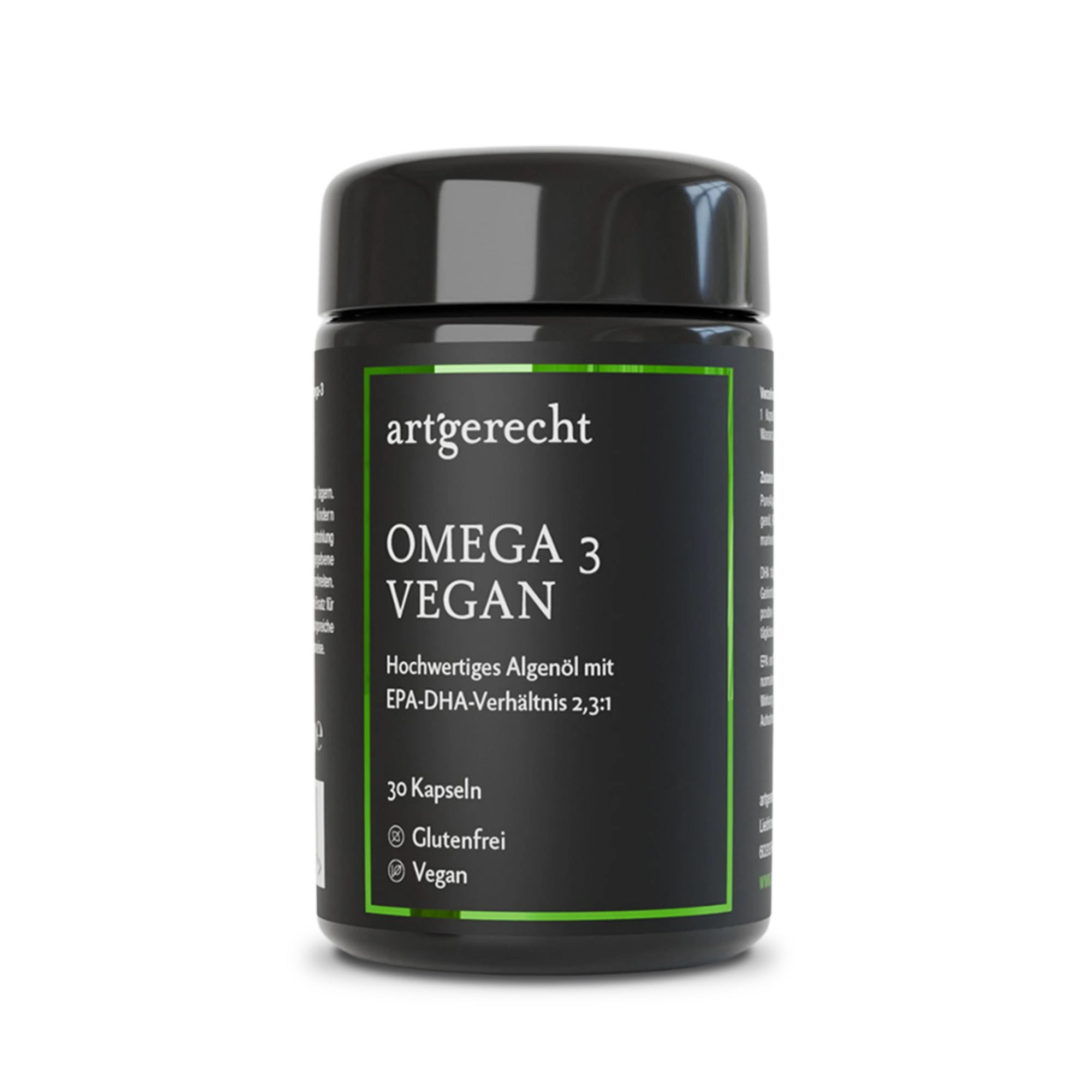
IMPORTANT: Omega-3 fatty acids, in particular EPA and DHA, are highly reactive and oxidize quickly when exposed to air, light or heat – which not only negatively affects the taste, but above all significantly reduces the quality and efficacy. Capsules protect these sensitive fatty acids and thus ensure markedly better stability and shelf life of the product.
As a rule, the Totox value – a measure of oil oxidation – is determined directly after extraction (e.g. from fish). Afterwards, however, the oil is usually further processed under exposure to oxygen. We measure the Totox value only after encapsulation. Our current batch has a Totox value of 7 – a very low and therefore high-quality value.
Already when an omega-3 oil is filled into consumer bottles, it comes into contact with large amounts of oxygen. The bottles cannot be made completely airtight, and the headspace between oil and cap is generally not inertized with nitrogen or CO₂. After opening, the oil is often consumed gradually over a period of weeks, remains exposed and continues to react with atmospheric oxygen. Even if an oil has a Totox value < 10 directly after extraction, the value in the opened bottle will, with high probability, be above 90 after about two weeks – even if it has been mixed with olive oil.
Conclusion
The mechanisms of action of omega-3 fatty acids are diverse and relevant on multiple levels: from molecular integration into cell membranes and the formation of specialized lipid mediators through to systemic effects on the heart, brain and immune system. In practice, this means that adequate intake of EPA and DHA is essential for the prevention and treatment of numerous chronic diseases. It is crucial to carefully consider the form of omega-3 preparations, dosage and individual requirements.
Research in this field remains dynamic, particularly with regard to newly discovered bioactive metabolites and their clinical potential. Healthcare professionals and scientists alike can benefit from this knowledge in both counseling and further scientific development.
References
- Calder PC. Omega-3 fatty acids and inflammatory processes: from molecules to man. Biochem Soc Trans. 2017;45(5):1105-1115.
- Simopoulos AP. Omega-3 fatty acids in inflammation and autoimmune diseases. J Am Coll Nutr. 2002;21(6):495-505.
- Riediger ND, Othman RA, Suh M, Moghadasian MH. A systematic review of the roles of n-3 fatty acids in health and disease. J Am Diet Assoc. 2009;109(4):668-679.
- Harris WS. Omega-3 fatty acids and cardiovascular disease: a case for omega-3 index as a new risk factor. Pharmacol Res. 2007;55(3):217-223.
- Bazan NG. Neuroprotectin D1-mediated anti-inflammatory and survival signaling in stroke, retinal degenerations, and Alzheimer''s disease. J Lipid Res. 2009;50 Suppl:S400-S405.
- Calder PC. Marine omega-3 fatty acids and inflammatory processes: Effects, mechanisms and clinical relevance. Biochim Biophys Acta. 2015;1851(4):469-484.
- von Schacky C. Omega-3 fatty acids in cardiovascular disease – an uphill battle. Prostaglandins Leukot Essent Fatty Acids. 2013;88(1):1-7.
- Swanson D, Block R, Mousa SA. Omega-3 fatty acids EPA and DHA: health benefits throughout life. Adv Nutr. 2012;3(1):1-7.
 UV-protected glass
 Lab-tested
 Non-GMO
 No artificial additives
 Product listed on the Cologne List®
 Gluten-free
 Lactose-free
 100% vegetarian fermentation

 Vegan
Vegan