

Longevity
Longevity means consciously fostering long-term health and vitality. Our formulations containing resveratrol, spermidine, CoQ10, PQQ, and astaxanthin are based on highly pure plant extracts, innovative microencapsulation technology, and certified quality. Developed with a focus on ingredient stability, purity, and dosage precision.
Taking an active role in shaping vitality and healthy years of life
Longevity means more than just living a long life. The focus is on the quality of those years – physical fitness, mental clarity and metabolic stability well into old age. Modern research shows that ageing processes are not determined solely by genetics, but can be significantly influenced by lifestyle, diet and targeted micronutrient intake.
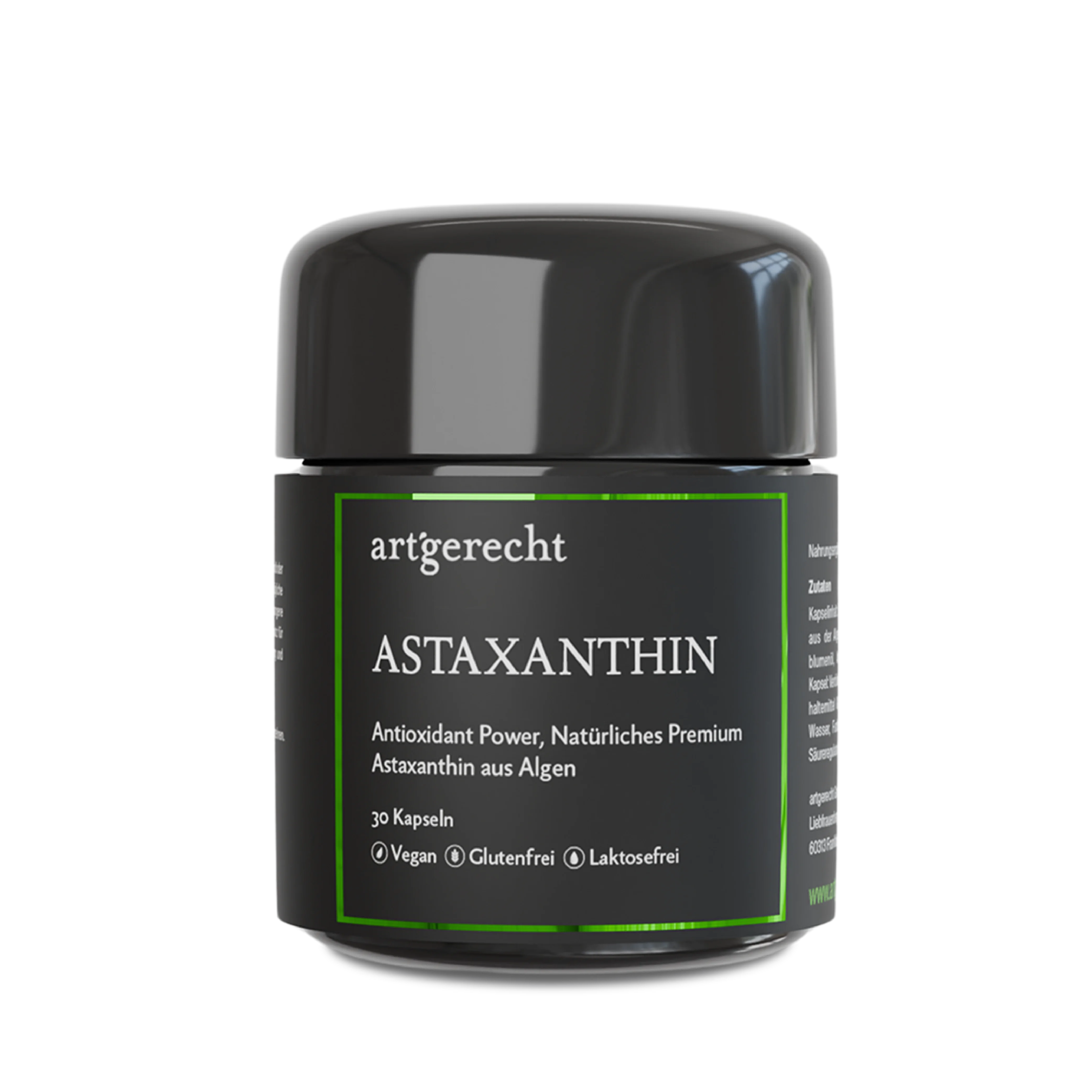
Antioxidant Power Deluxe
High-purity Astaxanthin, derived purely from algae, for natural skin protection and anti-aging effects.
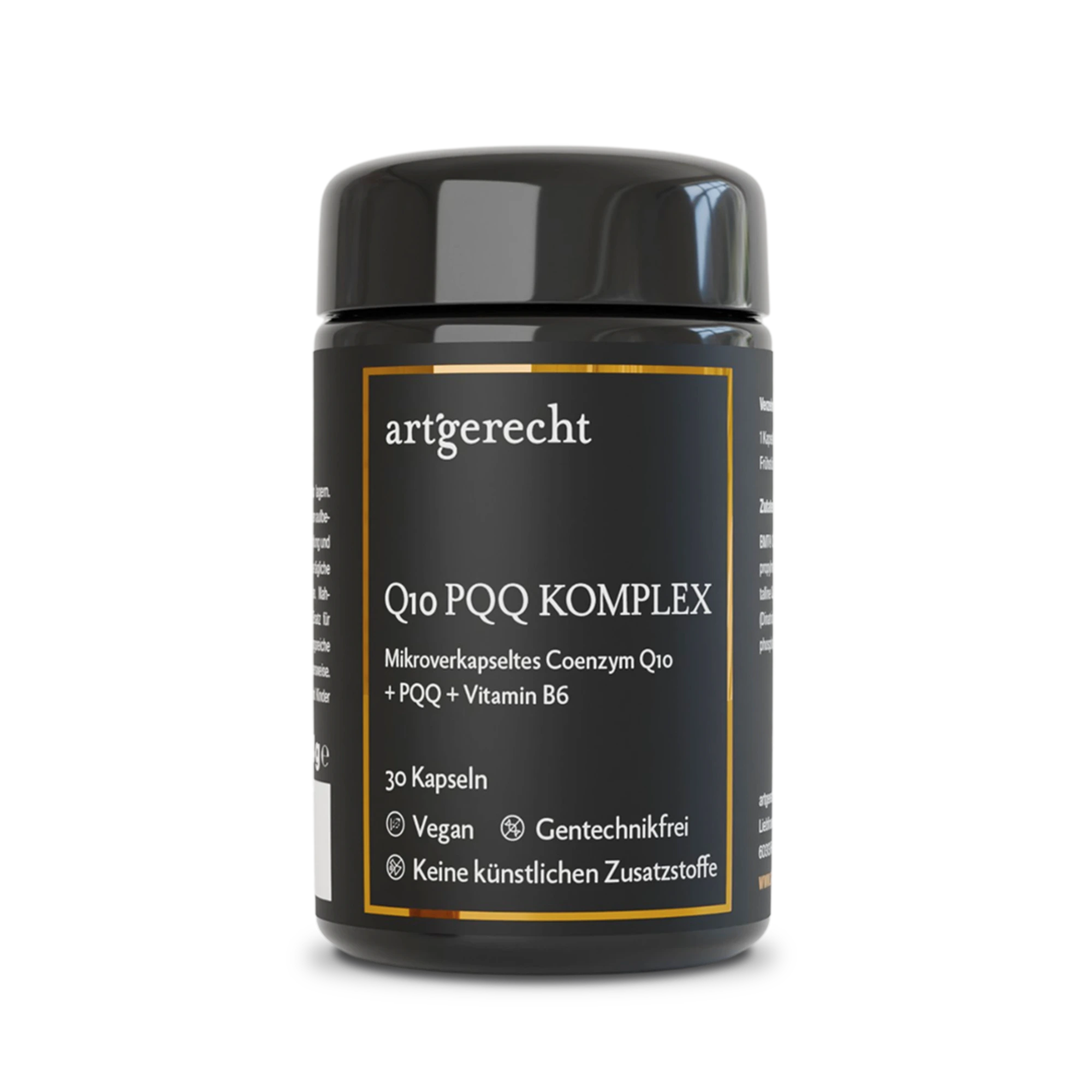
Supports energy, mitochondria & concentration
Mikroverkapseltes Q10, PQQ und bioaktives Vitamin B6 in moderner Kombination.
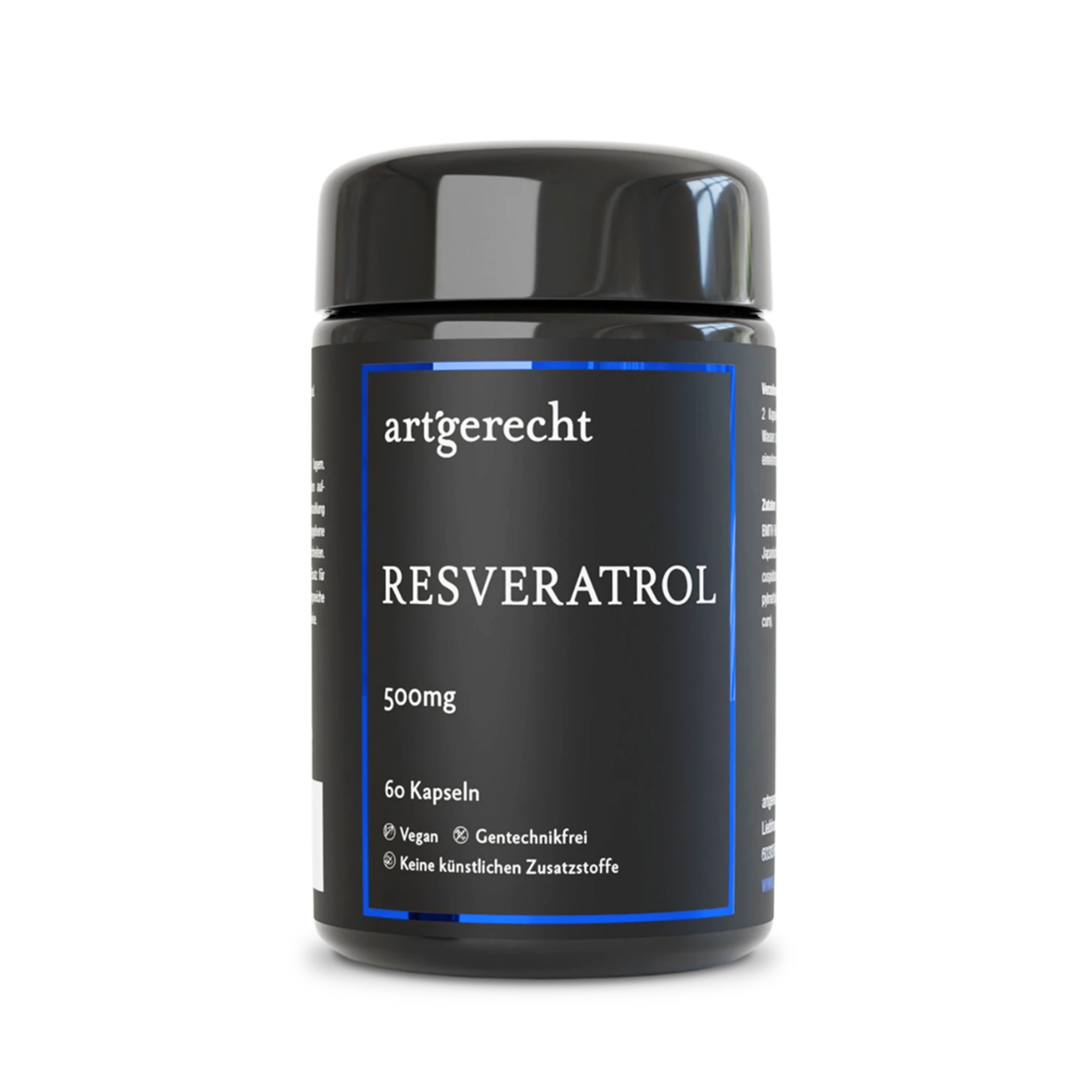
Cell Protection & Anti-Aging
One of the most potent polyphenols (also found in red wine) – ultra-pure, plant-based, antioxidant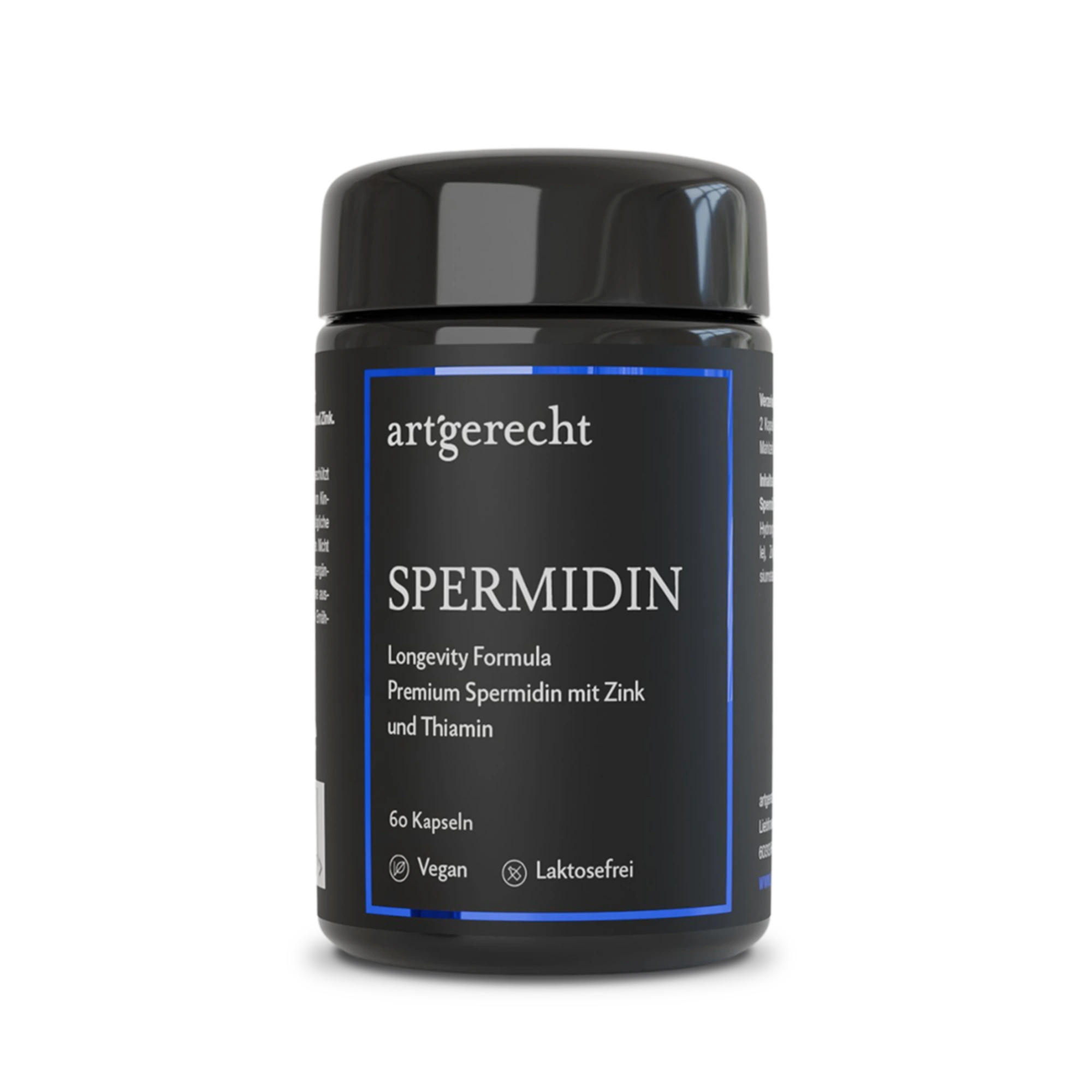
For Your Cell Renewal
Activate your cell renewal and rely on the natural polyamine spermidine as your secret ingredient!

Quality Without Compromise
The science behind healthy cellular ageing
Longevity refers to the concept of a healthy, active life that lasts as long as possible. The focus is not only on lifespan, but above all on what is known as ‘healthspan’ – that is, the period during which a person remains physically and mentally active. The aim is to gain a better understanding of ageing processes at the cellular level and to influence them in a targeted manner.
Modern longevity strategies focus on key biological mechanisms such as mitochondrial function, cell regeneration, autophagy, metabolic balance and anti-inflammatory processes. Diet, exercise, sleep, stress management and targeted micronutrient supplementation play a crucial role in this regard.
Why is longevity such a big issue?
Longevity is becoming increasingly important due to a number of converging factors:
- Demographic change: Life expectancy is rising worldwide. At the same time, there is growing interest in spending these extra years in good health and on one’s own terms.
- Scientific advances: Research into ageing has made enormous strides in recent years. The cellular mechanisms of ageing are now much better understood than they were just a few decades ago.
- Rise in chronic diseases: Metabolic disorders, cardiovascular diseases and neurodegenerative processes are often closely linked to accelerated ageing mechanisms. Prevention is becoming a greater focus.
- Biohacking & preventive medicine: More and more people do not want to wait until symptoms appear before taking action, but instead wish to invest proactively in their long-term health.
Longevity thus represents a paradigm shift: away from merely treating illness – towards preventive, scientifically grounded health optimisation. At its core, it is about gaining a better understanding of biological ageing processes and positively influencing them through lifestyle, diet and targeted support – for greater vitality, performance and quality of life well into old age.
Background information on Longevity
-
 Deep Dive: OPC oligomeric proanthocyanidinsOPC protects your cells from oxidative stress, strengthens blood vessels, and supports skin health. Learn how these plant compounds enhance vitality a...
 -
 Longevity hype: these supplements have a measurable effect on biological ageing processesWhich supplements can impact your biological age? Discover how Resveratrol, Q10, PQQ, and Vitamin C promote cell health and enhance vitality over the ...
 -
 DEEP DIVE: ResveratrolDiscover resveratrol: antioxidant, anti-ageing aid and cell protector. We explain the effects, benefits and myths surrounding this plant substance and...
 -
 Cellular energy: How coenzyme Q10 & PQQ strengthen your cell powerhouses (mitochondria)Coenzyme Q10 and PQQ are crucial for your cells' energy production. In this episode, you will learn how these nutrients support your cell powerhouses ...
Support for the mitochondria
Mitochondria are regarded as the ‘powerhouses’ of cells – and play a key role in the ageing process. As we get older, their efficiency declines, which can affect energy levels, recovery and performance. Coenzyme Q10 is an essential component of the mitochondrial respiratory chain and supports cellular energy production. At the same time, it acts as an antioxidant and protects cellular structures from oxidative stress.
PQQ (pyrroloquinoline quinone) is being studied in relation to mitochondrial biogenesis – that is, the formation of new mitochondria. The combination of CoQ10 and PQQ aims both to support the function of existing mitochondria and to promote cellular adaptation processes. The focus here is clearly on energy, cell protection and metabolic stability.


Cell protection and metabolic pathways
Resveratrol is a phytochemical found primarily in grape skins. In longevity research, it is being studied in relation to cellular signalling pathways associated with ageing processes.
Of particular relevance is the activation of so-called sirtuins – proteins involved in DNA repair, cell protection and metabolic regulation. Furthermore, resveratrol is valued for its antioxidant properties. In the context of longevity, resveratrol is associated with cellular stress resistance, protective mechanisms and metabolic regulation.
Häufig gestellte Fragen zu Longevity
What exactly does longevity mean?
Longevity represents a preventive approach aimed at healthy ageing and long-term vitality. The focus is not merely on a long life expectancy, but above all on maintaining physical and mental well-being over many years.
Can we really influence the ageing process?
The biological ageing process is complex, but it can be influenced. Lifestyle factors such as diet, exercise, sleep and stress management have a direct impact on the cellular mechanisms associated with ageing.
At what age should one start thinking about longevity?
Longevity is not just an issue for older people. Preventive strategies are particularly effective when started early. Even from young adulthood onwards, lifestyle choices and targeted nutrient intake can have long-term effects.
Are longevity products a substitute for a healthy lifestyle?
No. Supplements can support certain biological processes, but they are no substitute for a balanced diet, regular exercise, sufficient sleep and stress management. They form part of a holistic approach.
What mechanisms are the focus of longevity research?
Key topics include mitochondrial function, cellular protection against oxidative stress, autophagy (cellular clearance processes), metabolic stability and anti-inflammatory processes.
Who stands to benefit most from longevity strategies?
People under significant physical or mental strain, those who are physically active, individuals with a family history of age-related conditions, and anyone wishing to take a proactive approach to their long-term health.
How quickly do the effects become apparent?
Longevity is a long-term approach. The aim is not to achieve short-term performance gains, but to provide sustained support for cellular processes over months and years.
Is longevity scientifically proven?
Research into ageing has made significant progress in recent years. Many of the mechanisms underlying biological ageing are now well understood. Nevertheless, research in this field is still evolving, and not all approaches have been fully clarified.


✓ Go Green: CO2-neutraler Versand

✓ Zahle schnell & sicher

✓ 30 Tage Geld-zurück-Garantie

✓ Flexible Zahlungsoptionen

✓ Sichere Kreditkarten Zahlungen

✓ Bequem per Rechnung zahlen