Choline is an essential nutrient that often stands in the shadow of more famous vitamins and minerals. Yet it plays a key role in brain performance, fat metabolism and liver health. In an era of stress, poor diet and inactivity, maintaining adequate choline levels is increasingly important. But what exactly is choline, how does it work in the body, what are the signs of deficiency, and which foods supply it?
What is choline and what does it do?
Choline is an essential nutrient often grouped with the B-vitamins, though technically it is not a vitamin. The body produces only small amounts, so dietary intake is crucial. Choline participates in numerous vital processes:
- Brain & nervous system: Precursor of the neurotransmitter acetylcholine, vital for memory, focus and muscle control.
- Lipid metabolism & weight management: Supports transport and breakdown of fats in the liver – key also for weight control.
- Liver health & detoxification: Prevents fatty-liver buildup and supports liver regeneration.
In short, choline influences far more than isolated pathways – it affects the whole organism.
Choline deficiency: symptoms & risk groups
There is no simple standard blood test for choline, so deficiency often shows through nonspecific symptoms that are easily mistaken for other issues:
- Poor concentration and memory problems
- Fatigue and low resilience
- Fatty liver or elevated liver enzymes
- Muscle pain or weakness
At risk: people with unbalanced diets, pregnant women, vegetarians/vegans and those under chronic stress.
Choline-rich foods: natural sources
The liver produces only small amounts of choline – not enough to meet daily needs. Therefore, dietary sources are crucial to prevent deficiencies and their consequences such as fatty liver or cognitive decline.
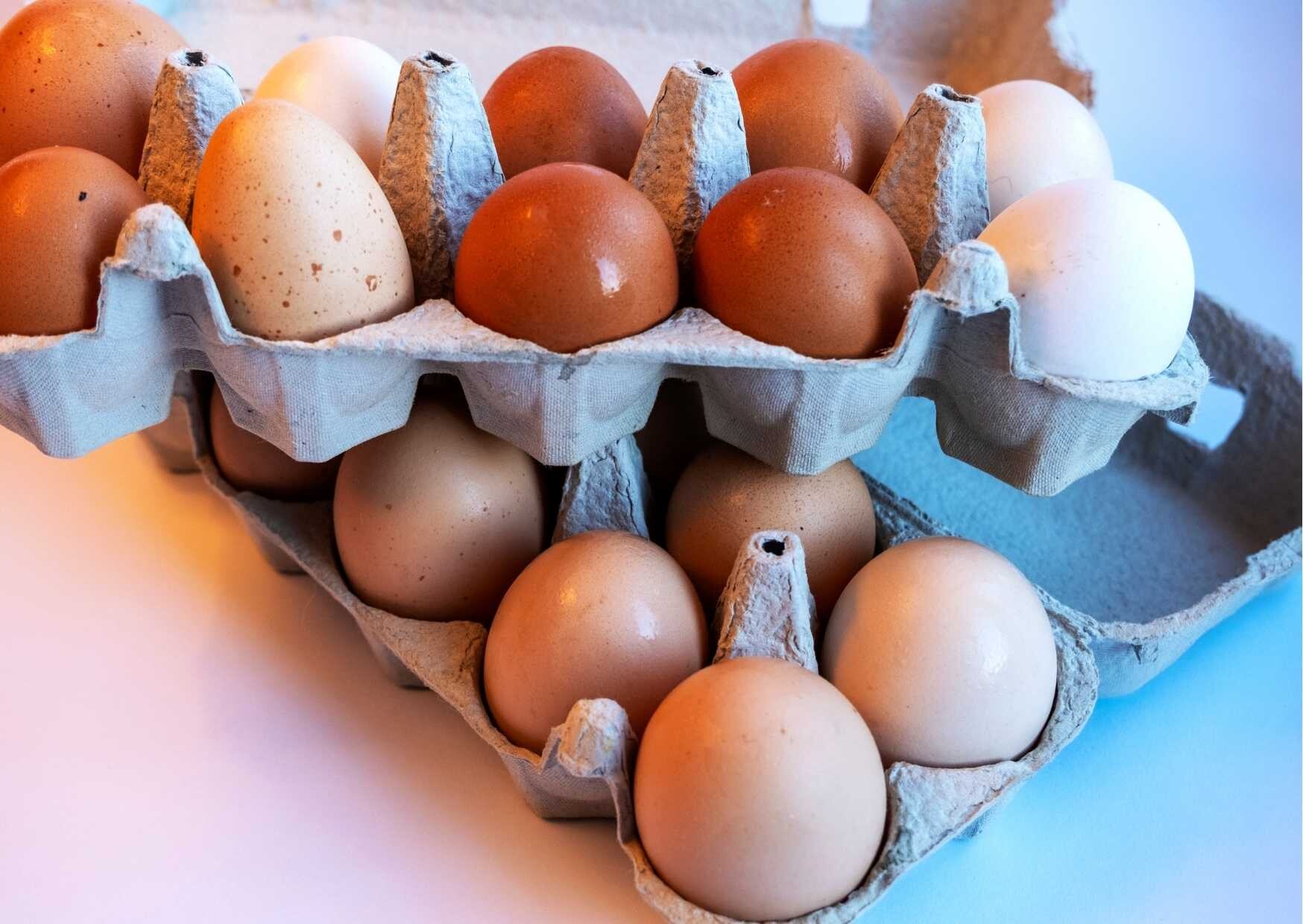
- Eggs (especially yolk)
- Organ meats like beef or chicken liver
- Fish (e.g. salmon, cod)
- Poultry
- Legumes (chickpeas, soybeans)
- Nuts & seeds (sunflower seeds, flaxseeds)
- Cruciferous vegetables (broccoli, Brussels sprouts)
Tip for weight management: Protein-rich foods like eggs and fish provide choline, support muscle maintenance and promote satiety – helping to reduce cravings and boost metabolism.
Choline supplementation – when is it useful?
A balanced diet usually covers requirements, but in certain life stages or health conditions supplementation may help:
- Vegetarian or vegan diets
- Pregnancy and breastfeeding
- Fatty liver or elevated liver enzymes
- High stress or mental workload
Vegetarians and vegans often get too little choline because the richest sources are animal-based. During pregnancy and lactation, needs rise sharply since choline is essential for the babys brain development and cell growth. People with fatty liver or metabolic stress benefit as choline helps export fat from the liver. Under stress, demand increases due to greater neurotransmitter synthesis.
Choline in combination – synergy for maximum benefit
Cholines effects are amplified when combined with other liver-supporting or metabolic nutrients:
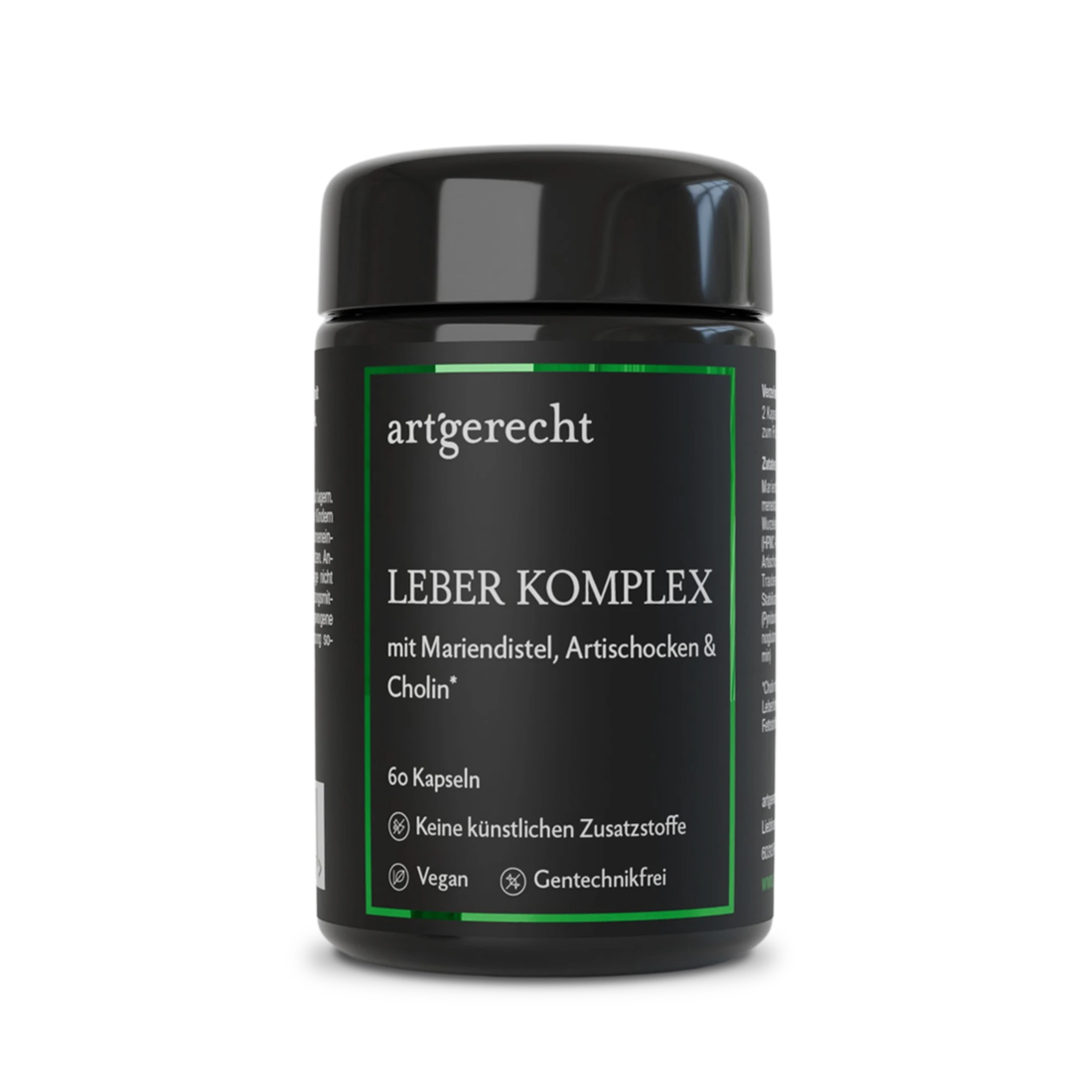
Milk thistle or artichoke extract
Milk thistle provides silymarin, an antioxidant that supports liver cell regeneration. Artichoke extract stimulates bile production and improves fat digestion. Together with choline, they help prevent fatty-liver buildup while easing detoxification.
B-vitamin complex
Choline interacts closely with folate, vitamin B6 and B12 in homocysteine metabolism – crucial for heart, nerves and energy. The B-vitamins also support energy production and mental stability. In combination, they enhance cholines positive effects on cognition, mood and metabolism.
Conclusion: why choline matters
Choline is an overlooked but indispensable nutrient for brain, liver and metabolism. Adequate intake through food or supplements supports cognitive function, fat processing and detoxification. When paired with milk thistle, artichoke or a full B-complex, its benefits multiply – making choline a cornerstone of modern metabolic health.
References: Zeisel & da Costa (2009); EFSA (2011); Derbyshire (2025); Huang et al. (2024); Jeon et al. (2024); Kansakar et al. (2023); Zuk et al. (2024).