

Women's Health
Women’s health is unique: shaped by hormonal rhythms, the menstrual cycle, and an often increased need for certain nutrients. Factors such as menstruation, stress, diet, or life stages like pregnancy and breastfeeding can place additional demands on the body. A targeted supply of essential micronutrients can help support energy levels, well-being, and the body’s natural balance.
Nutrients for Energy, Balance, and Well-Being
Whether it’s iron for blood formation and energy metabolism, magnesium to support muscles and nerves, or plant-based ingredients like turmeric, saffron, and ginger for overall well-being – carefully selected nutrients can support women through different stages of life. Our products are designed to provide the body with these essential building blocks in a targeted manner and to support the body’s natural processes.
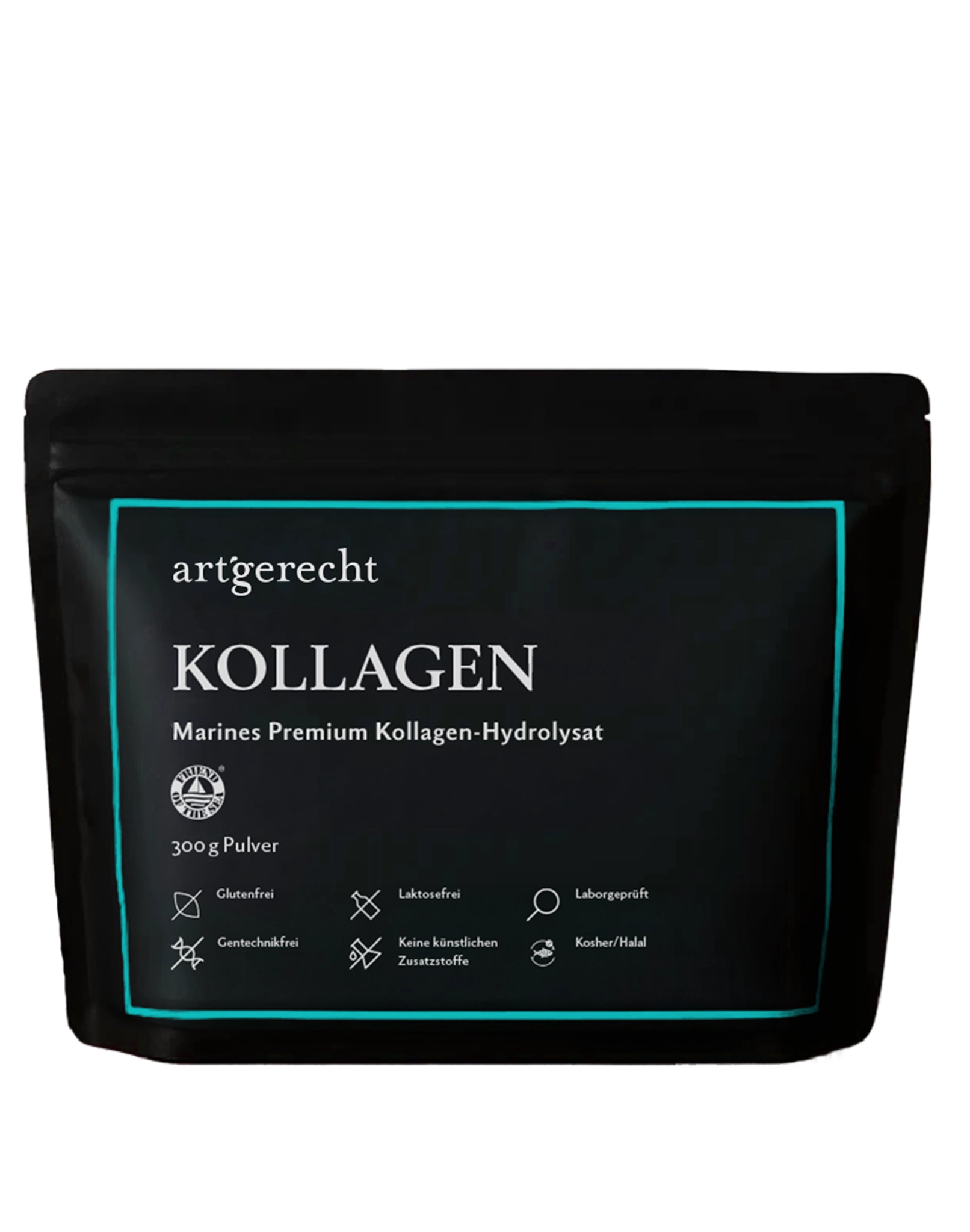
Holistic support for bones, joints, muscles & skin
For your well-being – inside and out

For Your Everyday Female Balance
Specially tailored supplements for your feminine needs

For your universal protection
As one of the most valuable proteins in the body, lactoferrin is a natural component of the immune system.
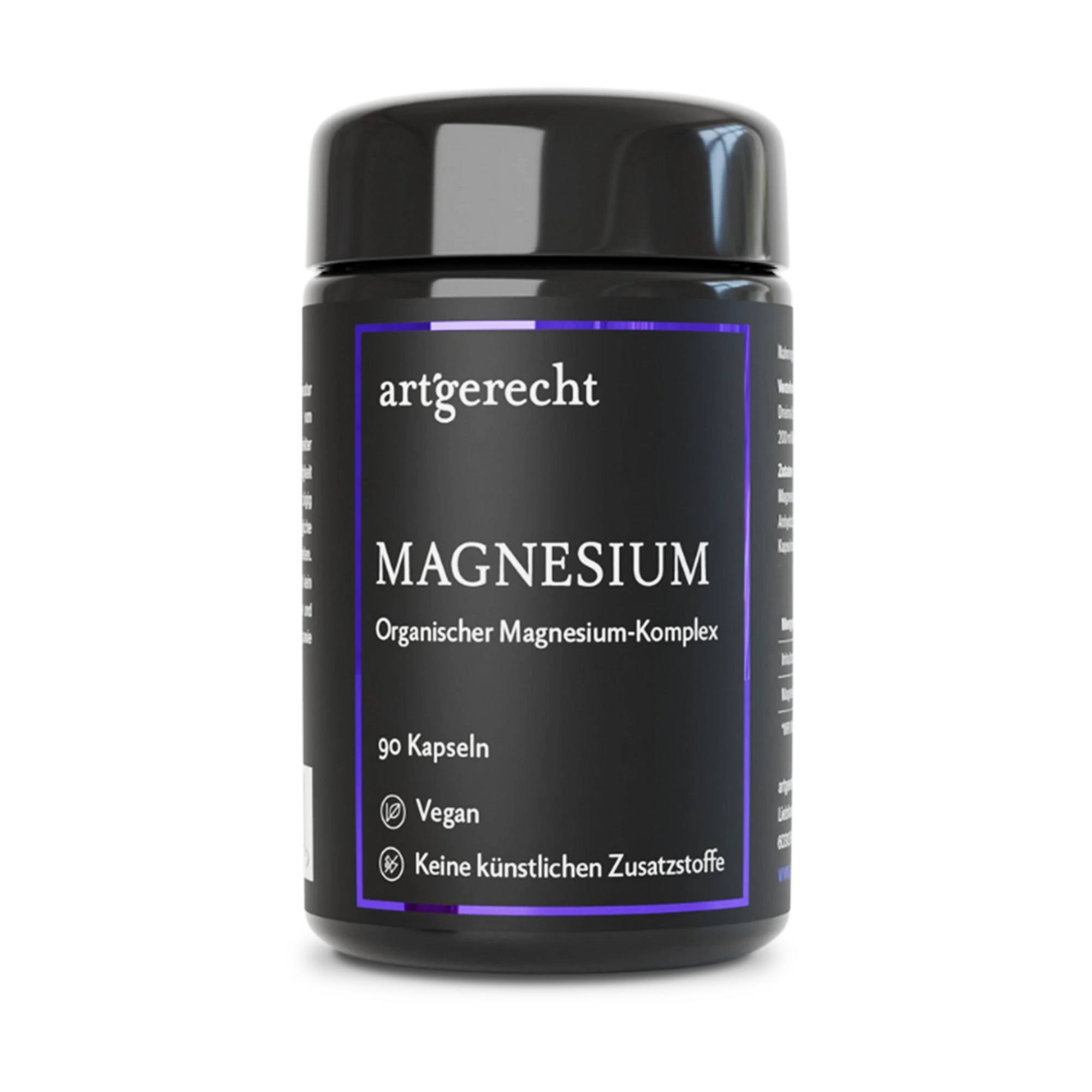
For your daily magnesium needs
Organic magnesium complex to reduce fatigue and tiredness and support normal muscle function

For your iron balance
Specially formulated for your iron balance with plant-based curry leaf iron, Lactoferrin CLN®, and natural Vitamin C from rose hips.
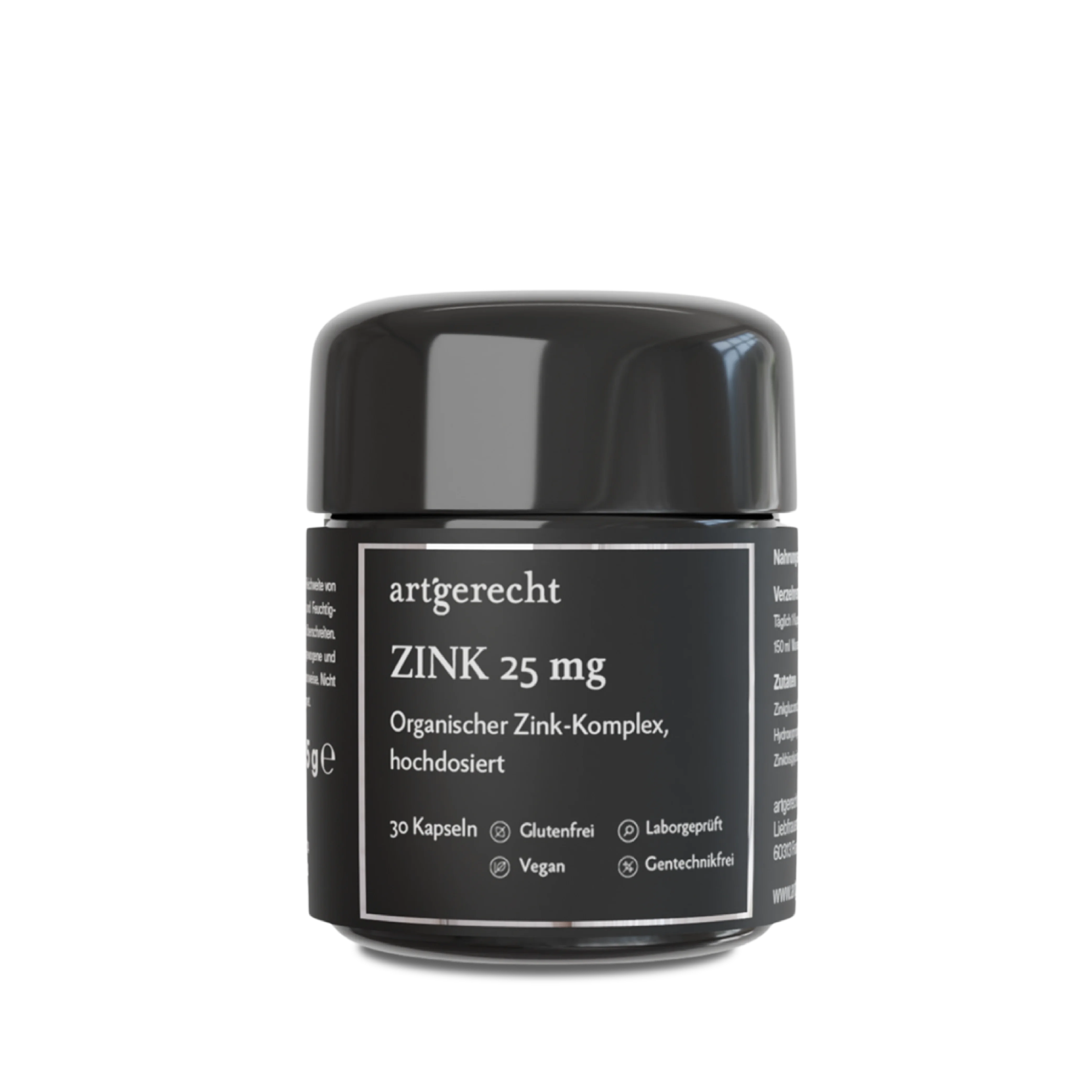
Essential trace element for your health & well-being
High-purity organic zinc compounds for the immune system, skin & hair

Quality Without Compromise
Unique Aspects of the Female Body
Women’s health is a complex interplay of hormones, metabolism, nutritional needs, and different life stages. The female body differs from the male body in many ways – particularly due to the hormonal cycle, which influences numerous physical and emotional processes.
The Hormonal Cycle
The female cycle is primarily regulated by the hormones estrogen and progesterone. Their levels fluctuate throughout the month and affect many bodily processes, including energy levels, mood, sleep, metabolism, and stress response. As a result, many women experience cycle-related changes such as fatigue, mood swings, or physical discomfort.
Nutrient Needs and Energy
Another important factor is the increased need for certain nutrients. Because women lose blood regularly during menstruation, iron in particular plays a key role in energy levels, concentration, and the production of red blood cells. Magnesium, B vitamins, and vitamin D are also especially important for many women, as they support nerve function, muscle health, the immune system, and energy metabolism. An adequate supply of these nutrients can help prevent fatigue and exhaustion.
The Impact of Stress and Lifestyle
In addition to nutrients, stress, sleep, diet, and the microbiome also influence hormonal balance. Chronic stress can disrupt hormonal balance and have a negative impact on your menstrual cycle, energy levels, and overall well-being. That is why a balanced diet, regular exercise, and adequate rest play an important role in maintaining good health.
Different Stages of Life
The female body undergoes constant changes throughout life—from puberty through the childbearing years to menopause. Each of these phases brings its own physical challenges and needs. Women’s health, therefore, involves taking a holistic view of the body and providing targeted support through the nutrients and lifestyle habits that are particularly important during each stage of life.
Background information on Women's Health
-
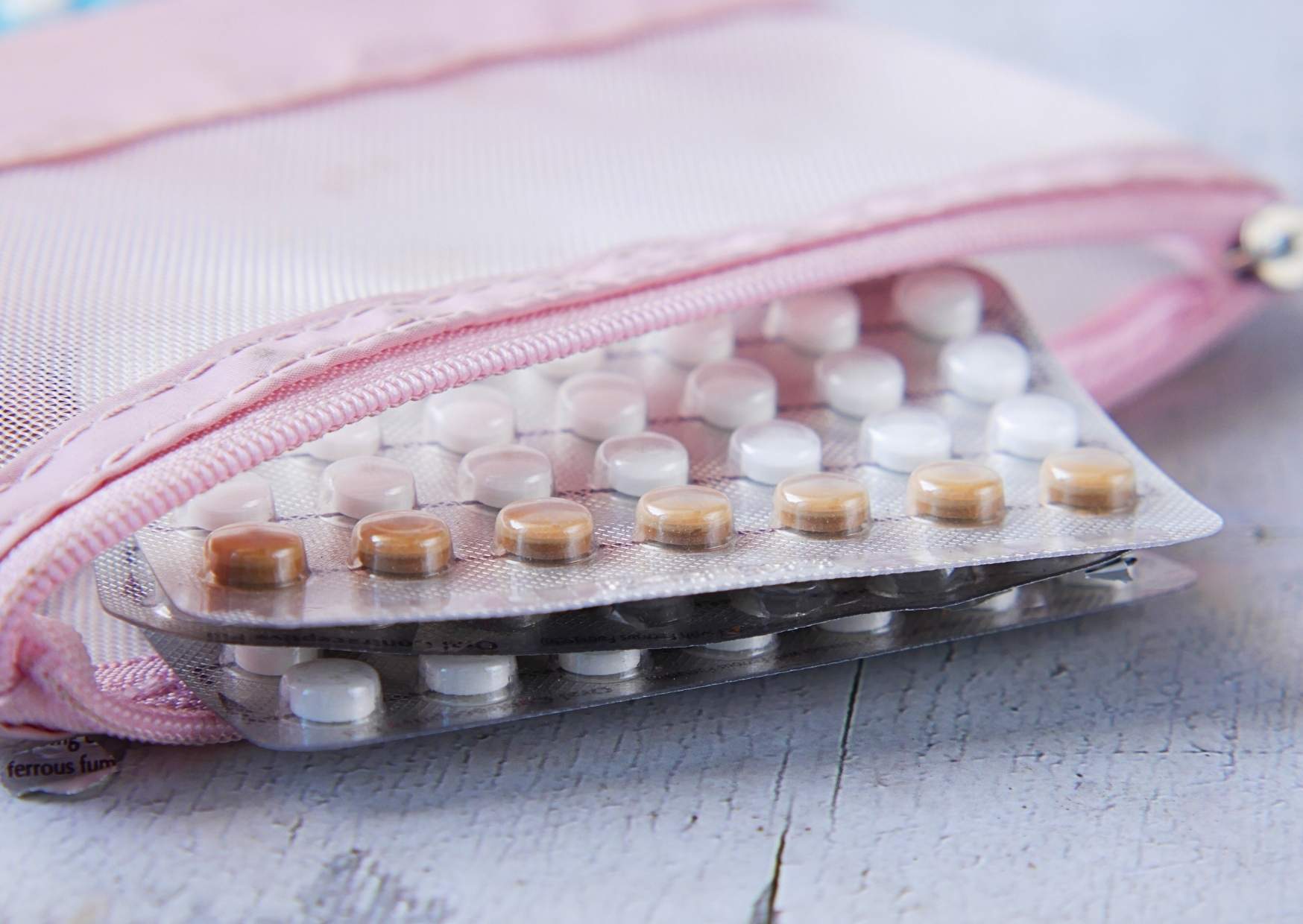 Stopping the pill – What happens in your body & how you can support itImmer mehr Frauen setzen die Pille ab. Erfahre, was dabei im Körper passiert und wie Du die hormonelle Umstellung natürlich unterstützen kannst.
 -
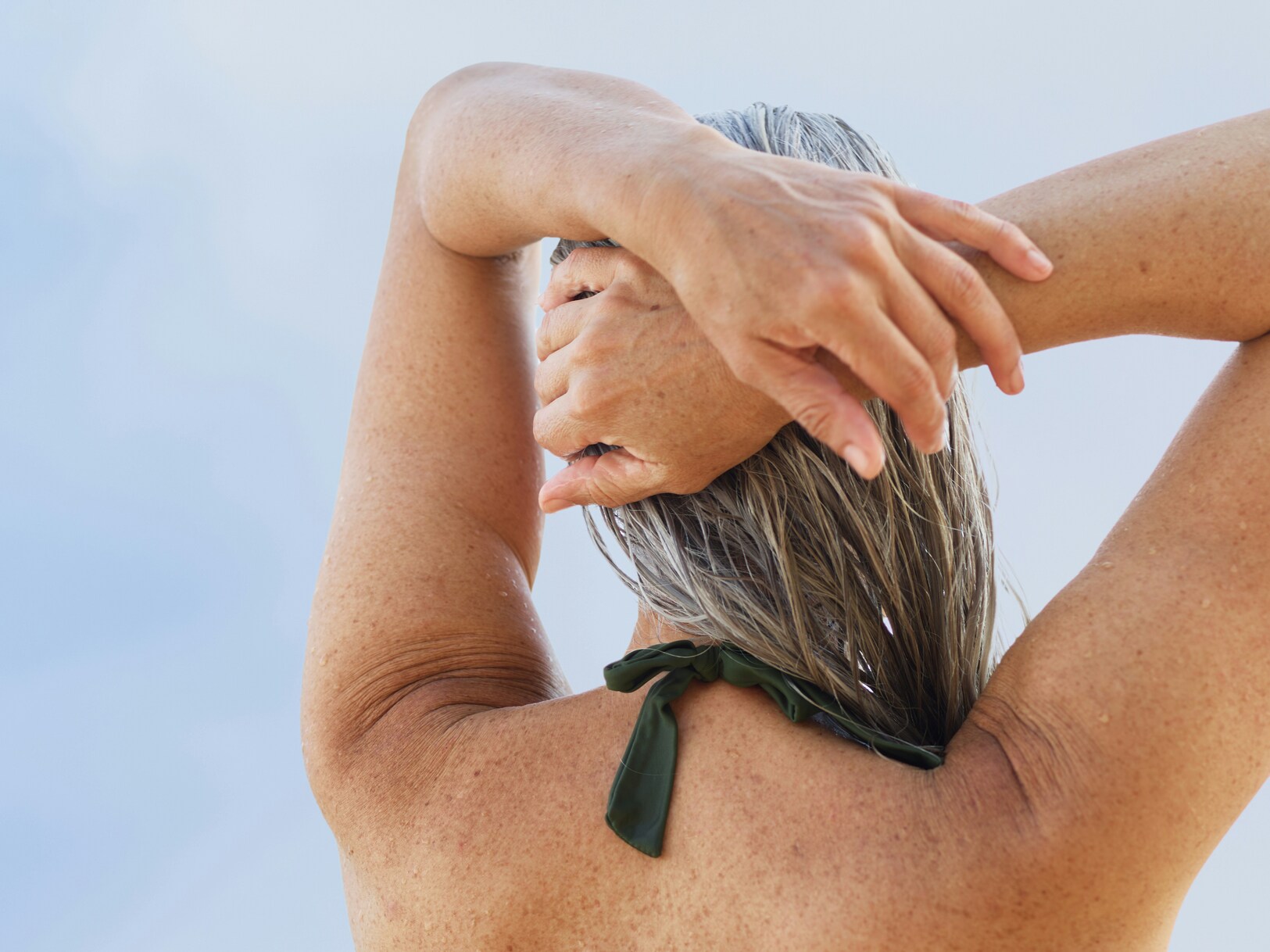 Menopause – When Body and Mind Go Through ChangeMenopause is more than just hot flashes — it marks a profound physical and emotional transition. Our piece highlights the most common symptoms, gives ...
 -
 Promising use of lactoferrin in gynecologyThe use of lactoferrin in gynecology It is now well documented that the human microbiome plays a major role in many diseases, both in the development ...
 -
 Episode 9: Pill, PMS, Period - The 28-Day ChallengeHEALTH NERDS - THE ARTJUST PODCAST The podcast about species-appropriate living In our new podcast episode, we once again address the topic of the fem...
 -
 The female cycle - in the rhythm of the hormonesEvery month, a woman's body prepares itself anew: Will this cycle be the time? Will fertilization take place? If the answer is no, menstruation begins...
 -
 Oestrogen dominance - what's behind it?Influences such as constant stress, obesity, hormonal contraceptives, xenohormones from plastic or phytohormones from food can severely disrupt the ba...
 -
 Periods, the pill, PMS: the influence of our hormonesWomen usually only become concerned with their cycle when irregularities or problems occur. The choice of suitable contraceptives or the transition to...
Iron Deficiency in Women
Iron deficiency is one of the most common nutritional deficiencies among women. Due to regular menstruation, many women lose blood – and thus iron – every month. Low iron levels can manifest as fatigue, reduced performance, or difficulty concentrating, among other symptoms. Iron is essential for the formation of red blood cells and the transport of oxygen in the body, and thus plays a vital role in energy production and metabolism.
In addition to iron itself, lactoferrin is also increasingly coming into focus. This natural protein is found in the human body in breast milk and mucous membranes, among other places, and is involved in iron metabolism. Lactoferrin can bind iron and is being studied in research in connection with improved iron utilization and good tolerability.

Herbal Support for Balance and Well-Being
In addition to iron, other nutrients and plant compounds also play an important role in women’s well-being. Magnesium supports normal muscle and nerve function and contributes to balanced energy metabolism. Many women also use magnesium to help prevent muscle tension or cramps.
Plant compounds such as turmeric, saffron, and ginger have been used for centuries across various cultures and are now the subject of scientific research. They contain bioactive compounds known for their antioxidant and anti-inflammatory properties. In the context of women’s health, they are frequently used to support overall well-being and help the body navigate periods of hormonal change.
Häufig gestellte Fragen zu Women's Health
Why is womens health different from mens health?
The female body is strongly influenced by hormonal cycles. Monthly fluctuations in estrogen and progesterone affect energy levels, mood, metabolism, and sleep, among other things. This results in specific needs that differ from those of the male body.
Why are women more prone to iron deficiency?
Due to menstruation, women lose blood - and thus iron - on a regular basis. Iron requirements may be even higher during heavy periods, intense physical activity, or during pregnancy and breastfeeding.
What role does the menstrual cycle play in well-being?
The menstrual cycle influences many physical and emotional processes. Energy levels, concentration, mood, and sleep patterns can change during different phases of the cycle. Being mindful of diet, exercise, and rest can help better manage these fluctuations.
Which nutrients are particularly important for women?
Nutrients that are often important include iron, which supports blood formation and energy production; magnesium, which supports muscle and nerve function; and various vitamins that support energy metabolism and the immune system.
How does stress affect women's health?
Chronic stress can disrupt hormonal balance and affect menstrual cycles, sleep, and energy levels. Getting enough rest, exercising, and eating a balanced diet can help keep the body in balance.
Do nutritional needs change over the course of a persons life?
Yes, nutritional needs can change depending on the stage of life. During puberty, childbearing years, pregnancy, or menopause, the body has different requirements in terms of hormones, metabolism, and nutrient intake.


✓ Go Green: CO2-neutraler Versand

✓ Zahle schnell & sicher

✓ 30 Tage Geld-zurück-Garantie

✓ Flexible Zahlungsoptionen

✓ Sichere Kreditkarten Zahlungen

✓ Bequem per Rechnung zahlen