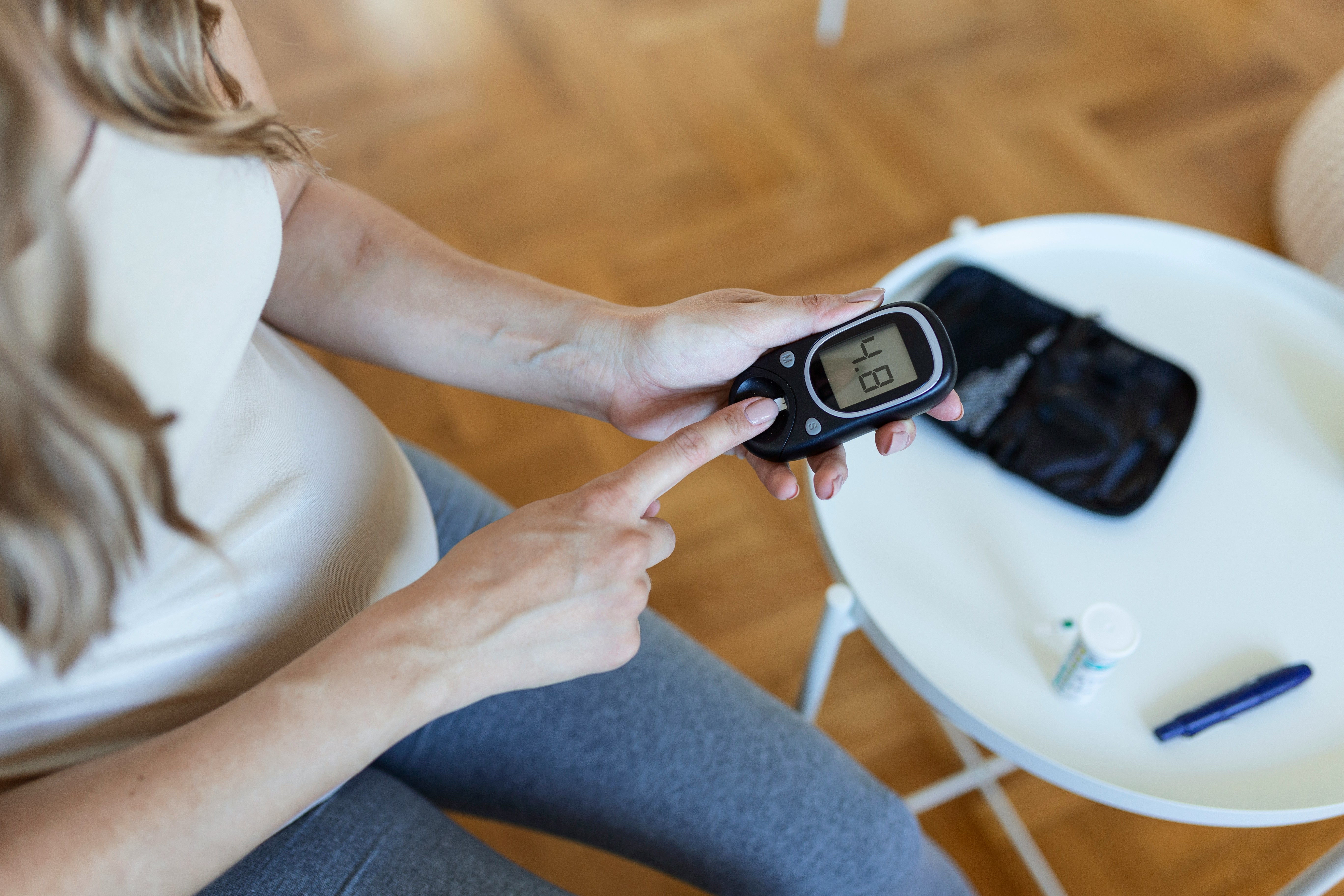
Diabetes: the silent epidemic of blood-sugar dysregulation
Diabetes mellitus is no longer a fringe issue but a global epidemic. Current estimates suggest around 800 million people are affected worldwide; in Germany, about nine million. Particularly alarming: nearly half of all cases are undiagnosed. Diabetes is thus a “silent threat” that is often recognized only after irreversible damage has occurred. Chronically elevated blood glucose is the core problem, straining the entire metabolism.
The proportion of undiagnosed cases is especially high in low-income regions. In sub-Saharan Africa, more than 80% of cases remain undetected — not only due to limited medical access but also insufficient public awareness. Even in high-income countries, type 2 diabetes can go unnoticed for years because it develops gradually. Early symptoms such as fatigue, excessive thirst, frequent urination, skin issues, susceptibility to infections, or blurred vision are often dismissed as everyday complaints. In reality, they can signal impaired glucose handling and an evolving diabetes.
Without timely treatment, persistently high glucose leads to serious complications. Vascular and nerve damage are common consequences. Heart attack, stroke, kidney failure, and blindness are among the most feared outcomes. Particularly dramatic is the diabetic foot syndrome, where poorly healing wounds can ultimately require amputation. Worldwide, hundreds of thousands of amputations are performed annually because of diabetes — highlighting the immense medical and social burden.
Even after diagnosis, many patients are not optimally treated. Only about one in five receives therapy that reliably controls blood glucose. Reasons include resource gaps in many countries, poor adherence, unhealthy lifestyle patterns, and inadequate education. Yet we know that consistent treatment markedly slows disease progression and prevents complications.
The global rise stems largely from modern lifestyles. Diets high in sugar, refined flour, and ultra-processed foods contribute substantially to type 2 diabetes. Combined with physical inactivity and excess weight, risk soars. Even regions with traditionally healthier eating patterns are increasingly affected as Western eating habits spread. Diabetes is now a universal challenge across all regions and social groups.
Prevention and measures against diabetes
Prevention is crucial. Studies show that dietary change, regular physical activity, and weight reduction can dramatically lower type-2 risk. A low-sugar, fiber-rich diet with healthy fats and adequate protein helps stabilize blood glucose. Regular exercise improves insulin sensitivity and helps shuttle glucose into cells more efficiently. As little as 30 minutes of moderate activity a day makes a measurable difference. Equally important is screening: a simple blood test can flag elevated values early — before damage occurs.
Prevention is more than exercise alone. A balanced, nutrient-dense diet is key to keeping the body in equilibrium. Alongside whole foods, targeted support with certain micronutrients can be reasonable. Plant-derived and bioactive substances such as:
- EGCG (green tea)
- Alpha-lipoic acid (ALA)
- Myo-inositol
- Berberine
are under investigation for metabolic support and for helping to blunt glucose swings. These approaches — in combination with mindful eating and an active lifestyle — can make diabetes prevention even more effective.
Another pillar in prevention and care is cutting everyday sugar. Avoiding sugar-sweetened beverages and reading ingredient lists carefully already lightens the metabolic load. Plant compounds like berberine, studied for their effects on glycemic control, are receiving growing attention. They dont replace healthy diet and movement, but can help dampen blood-sugar variability and stabilize metabolic balance.

Takeaway
Diabetes is a silent global epidemic with dramatic consequences — but it is not inevitable. By improving diet, reducing sugar, moving regularly, and using preventive screening, individuals can significantly lower their risk. At a population level, we need broad education, easier access to diagnostics, and better medical care. Only then can we stop diabetes from silently affecting millions and overwhelming healthcare systems worldwide.