Autumn is here, and with it comes cold season 2025. Days grow shorter, temperatures fluctuate, and the first runny noses appear. This time of year raises questions: What really helps against colds? How can you strengthen your immune system naturally?
This article debunks myths about vitamin C, presents evidence-based prevention strategies, and introduces modern ingredients like Lactoferrin CLN® and the patented AB21® lactic acid bacteria. This innovative combination supports the immune system on multiple levels.
Myths about colds: Why vitamin C alone is not enough
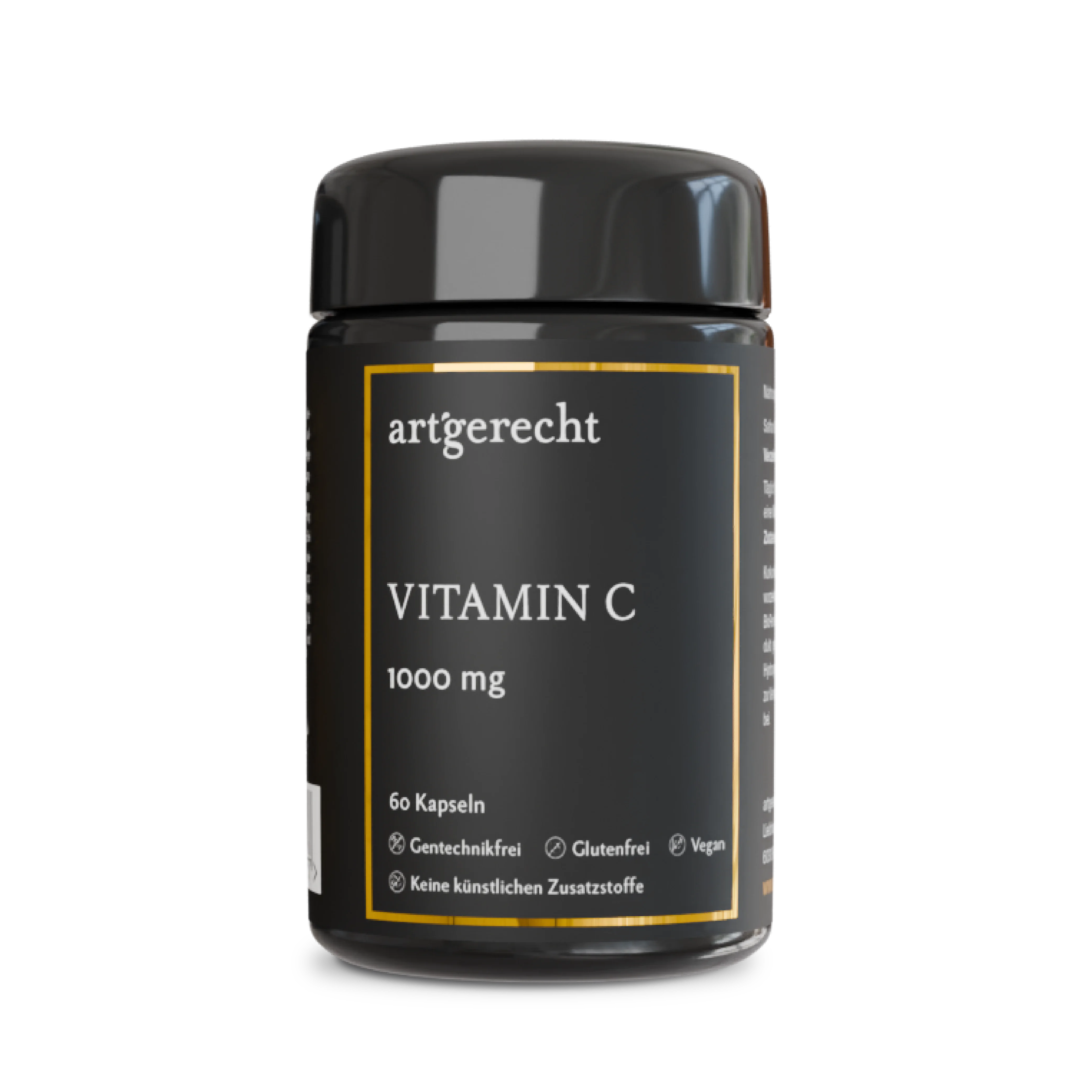
Many rely on high doses of vitamin C to prevent infections. While vitamin C is vital for normal immune function, studies show that excessive intake does not reliably prevent infection. However, it can slightly reduce duration and severity if vitamin C levels are optimal.
The often-touted idea of “hardening” the body with cold showers or outdoor walks doesnt automatically strengthen immunity either. Regular exercise, fresh air and a balanced diet help — but true immune strength depends on cellular-level support from micronutrients and functional substances.
Science-based prevention strategies for the 2025 cold season
Modern research shows that a strong immune system doesnt depend on miracle cures but on the synergy of several factors. Key proven strategies include:
1. Sufficient intake of immune-relevant micronutrients
Certain vitamins and minerals demonstrably contribute to normal immune function, supporting central defense mechanisms and protecting cells from oxidative stress:
- Vitamin A supports mucosal integrity — the bodys barrier against pathogens.
- Vitamin C protects cells from oxidative stress and strengthens immune function.
- Zinc, selenium, copper and manganese play key roles in immune cell activity and antioxidant enzyme systems.
Deficiencies weaken the immune response. In autumn and winter, nutrient levels often drop — due to fewer fresh foods and dietary changes.
2. Strengthening mucous membranes – the first line of defense
Mucous membranes in the nose, throat and gut are the bodys first barrier against viruses and bacteria. When intact, they can block many pathogens before infection takes hold.
Vitamin A promotes epithelial cell differentiation and healthy mucosa. Zinc aids regeneration and boosts immunity. Deficiency weakens these barriers.
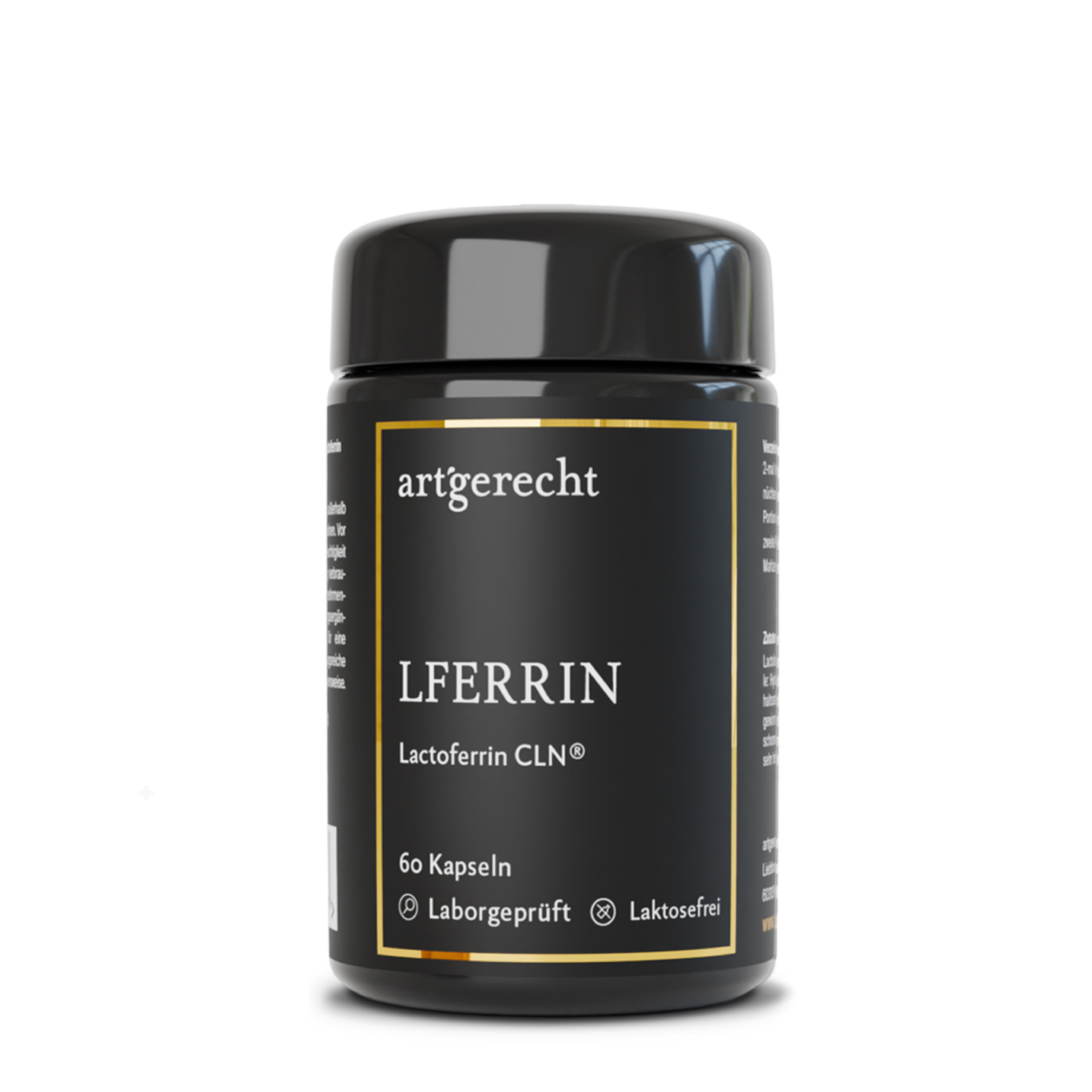
Lactoferrin naturally complements these mechanisms. Found in saliva and tears, this iron-binding protein deprives pathogens of nutrients, inhibits replication and blocks viral attachment.
3. Supporting the gut microbiota – immunity begins in the gut
A healthy gut forms the foundation of a resilient immune system. Around 70–80% of immune cells reside there, interacting constantly with microbes and food particles. A balanced gut flora repels pathogens, regulates inflammation and keeps the immune system in balance.
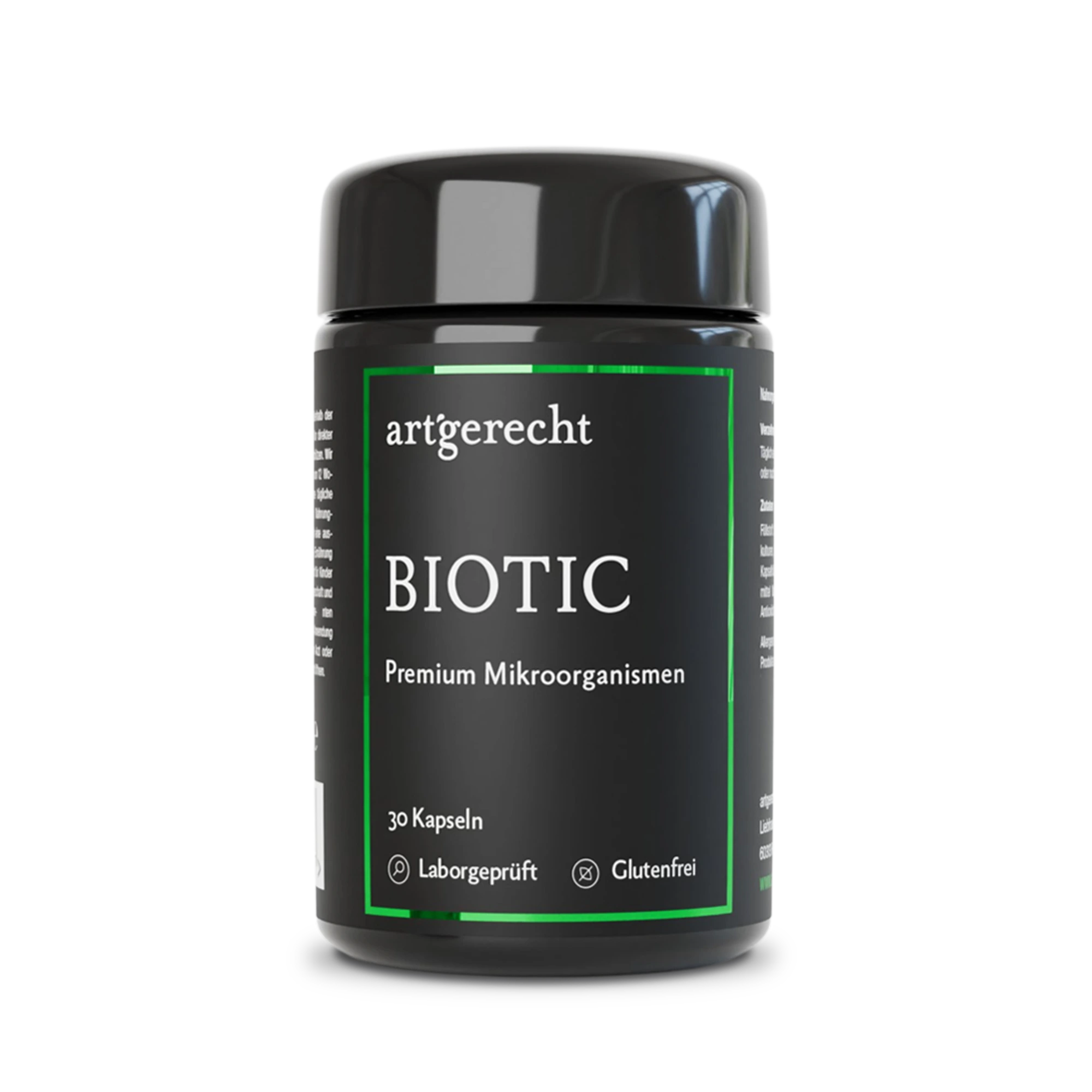
Probiotic strains like patented AB21® bacteria can strengthen this balance. They stabilize the microbiota, modulate immune signaling and, according to studies, reduce the frequency and duration of respiratory infections. Combined with key micronutrients, they form a modern, holistic immune strategy.
Lactoferrin & AB21® – modern support for strong immunity
Beyond classic micronutrients, Lactoferrin is gaining attention as a multifunctional natural protein. Pure Lactoferrin CLN® acts at several levels of the immune system:
- Binds iron, depriving bacteria of a growth factor.
- Supports antiviral defenses at mucosal surfaces.
- Balances inflammation through immune modulation.
In combination with AB21® probiotics, it creates a synergistic effect: Lactoferrin strengthens mucosal barriers while AB21 supports gut balance — home to most immune cells.
Together with vitamins C, A and trace minerals zinc, selenium, copper and manganese, this forms a scientifically supported, modern immune concept for the 2025 cold season.
Traditional remedies & modern micronutrient medicine: the ideal combination
Traditional home remedies still have their place. Herbal teas, steam inhalations, fresh air and saltwater gargles dont prevent infection but aid natural defenses. They moisten mucous membranes, clear secretions and make it harder for germs to take hold. Adequate sleep, diet and outdoor activity further strengthen immunity.
Modern micronutrient medicine complements this on another level. Functional ingredients like Lactoferrin or probiotics target immune pathways, reinforce mucosal barriers and regulate inflammation. In combination with micronutrients, they form an evidence-based concept that unites natural symptom relief with systemic immune support.
Conclusion: Strengthen your immune system this autumn
Cold season 2025 brings many myths — but science is clear: targeted micronutrient supply, mucosal support, a healthy gut and modern bioactives like Lactoferrin build the foundation of a strong immune defense. Combining these with classic home remedies offers the best protection to stay healthy through the season.
Sources:
- Hemilä, H., & Chalker, E. (2013). Vitamin C for preventing and treating the common cold. Cochrane Database of Systematic Reviews.
- EFSA NDA Panel. (2009). Scientific opinion on health claims related to vitamin A, vitamin C, zinc, selenium, copper, manganese and immune function. EFSA Journal.
- AB-Biotics (n.d.). What is AB21®? Retrieved Oct 2025 from https://www.ab21probiotic.com
- Wakabayashi, H. et al. (2014). Antiviral properties of lactoferrin – a natural immunity molecule. Japanese Journal of Infectious Diseases.
- Campione, E. et al. (2024). Lactoferrin as antiviral treatment in COVID-19 management. Frontiers in Immunology.
- Berlutti, F. et al. (2011). Antiviral properties of lactoferrin. Journal of Applied Microbiology.
- Chang, R., Ng, T. B., & Sun, W. Z. (2023). Lactoferrin supplementation in preventing viral infections: A review. Int. J. of Molecular Sciences.
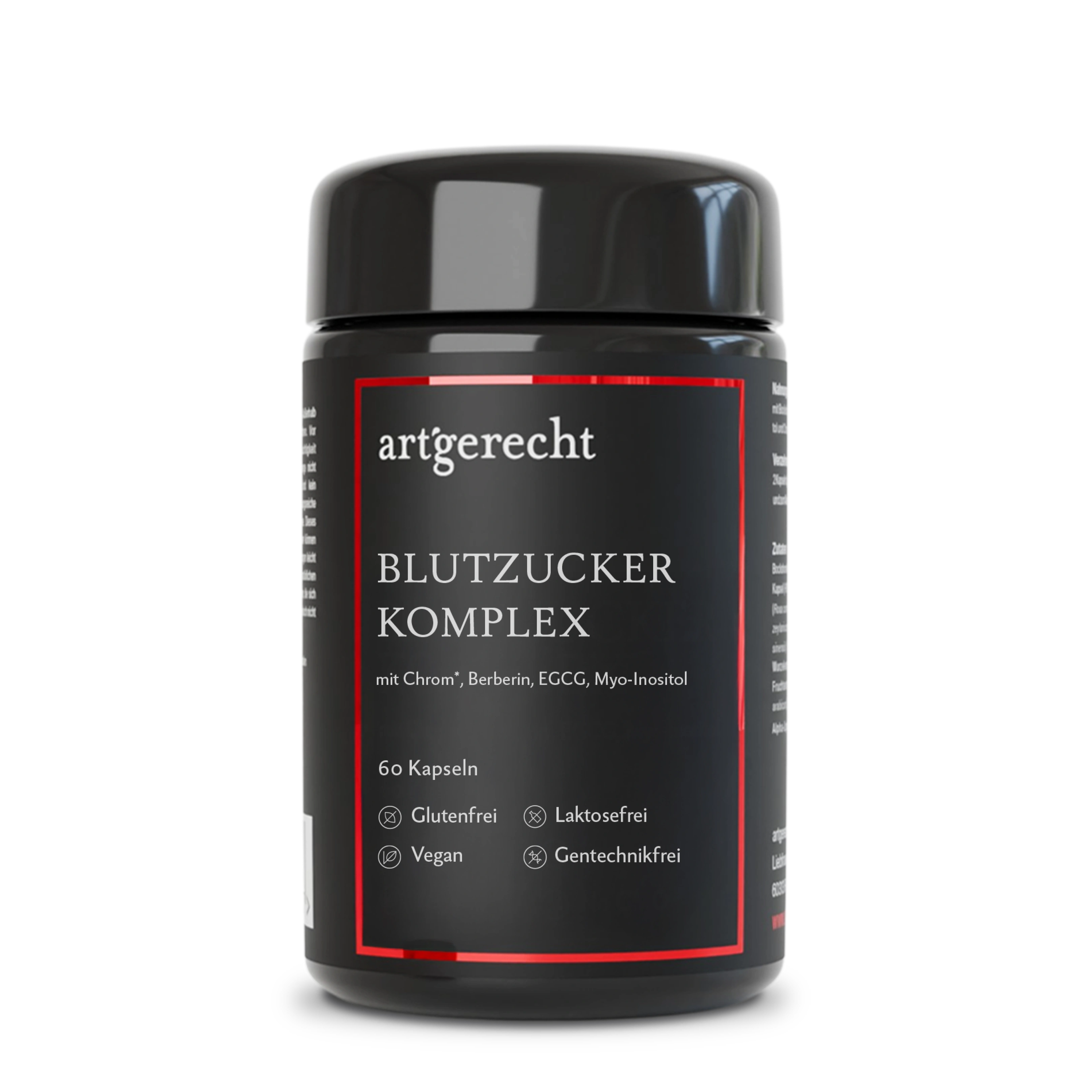
 UV-protected glass
 Non-GMO
 Product listed on the Cologne List®
 Gluten-free
 Lactose-free
 Vegan
Vegan

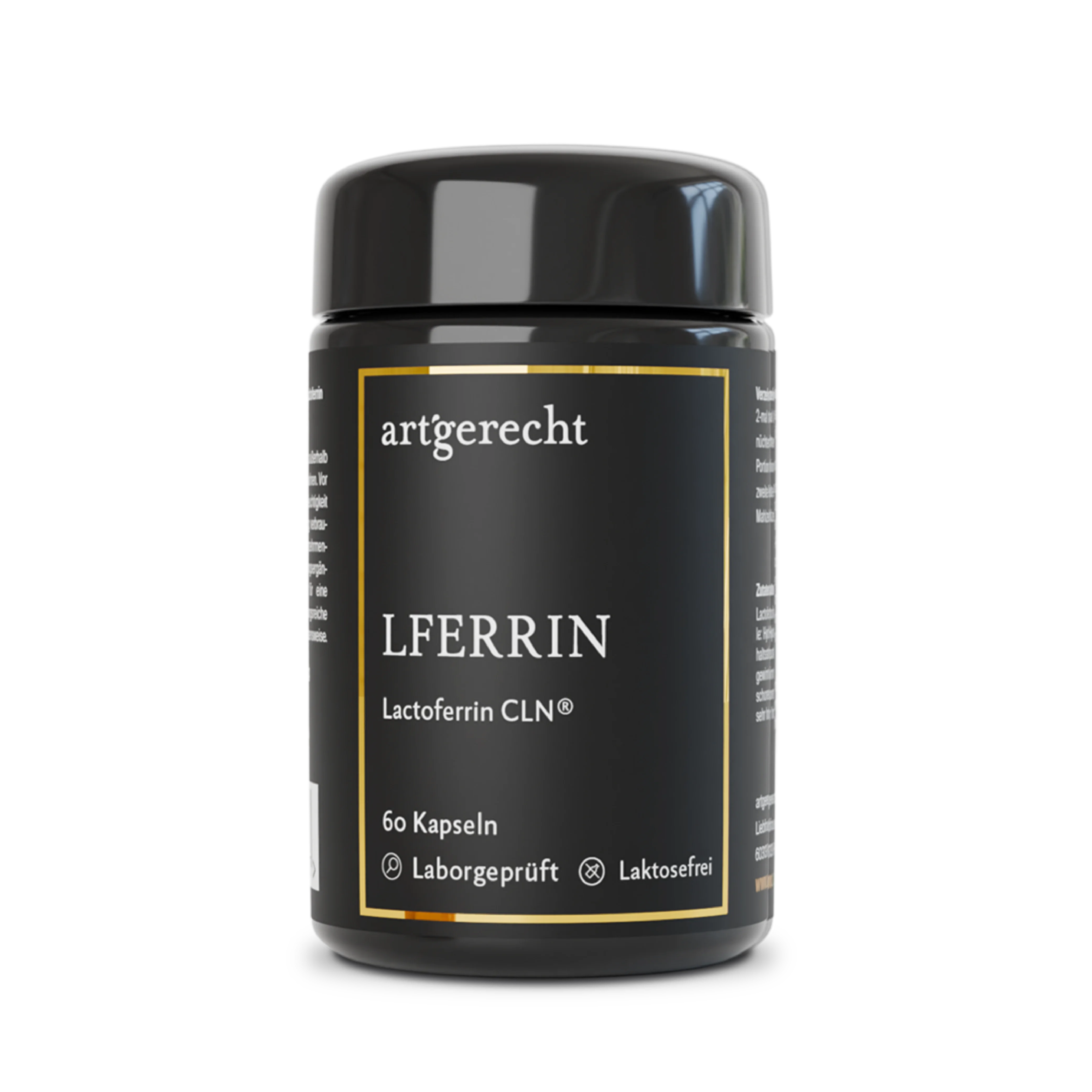
 Lab-tested
 No artificial additives
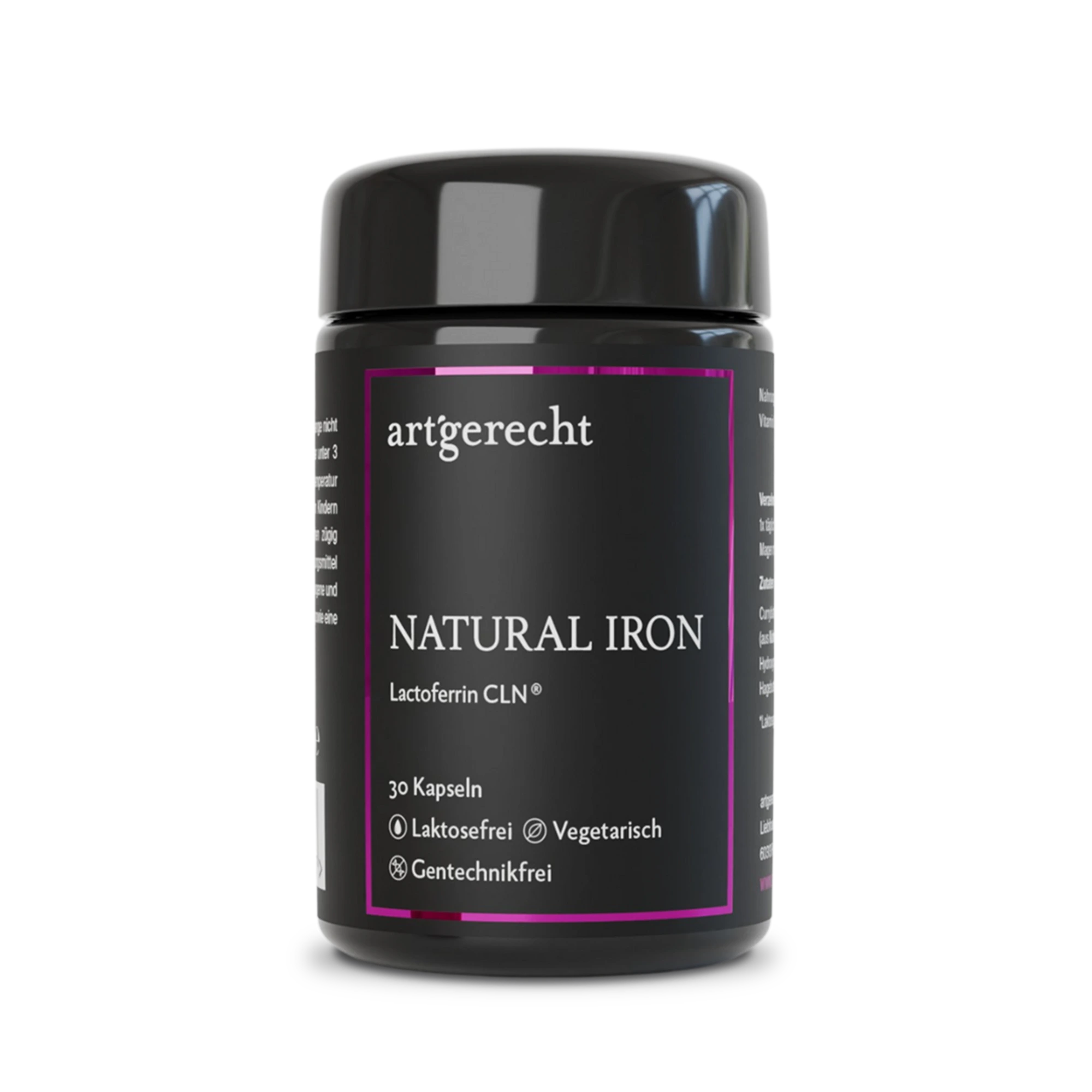
 100% vegetarian fermentation