- When Food Makes You Sick
- What Is Food Poisoning?
- Causes: How Does Food Poisoning Occur?
- Food Poisoning Symptoms: Recognizing the Signs
- Acute Help: What to Do If You Suspect Food Poisoning
- Home Remedies for Food Poisoning
- Aftercare: Let the Body Recover
- Prevention: Everyday Tips
- Conclusion: Safety Starts with Awareness
When Food Makes You Sick
Food poisoning can happen anywhere: at a picnic, in a restaurant, or at home. Sometimes just a few bites of spoiled or bacteria-contaminated food are enough to throw the body off balance. Typical reactions include nausea, vomiting, diarrhea, and abdominal cramps — the bodys way of fighting the harmful substances.
According to the Robert Koch Institute, tens of thousands of people in Germany fall ill each year with foodborne infections or poisonings — with a likely much higher number of unreported cases. This article explains in detail what causes food poisoning, how to recognize and treat it, and most importantly, how to protect yourself.
What Is Food Poisoning?
Food poisoning is an acute toxic reaction triggered by toxic substances or microorganisms in food. In most cases, the symptoms are caused by so-called bacterial toxins — poisons that have already formed in the food. Typical culprits include:
- Staphylococcus aureus
- Bacillus cereus
- Clostridium perfringens
- Clostridium botulinum (in rare cases)
These bacteria proliferate particularly quickly when food is not properly chilled or is kept warm for too long. Unlike a foodborne infection (e.g., from Salmonella, Campylobacter, or Listeria), the poisoning is not caused by the pathogens themselves but by their toxins.
Causes: How Does Food Poisoning Occur?
Food poisoning usually results from hygiene mistakes or improper storage. Animal products such as meat, fish, eggs, dairy, and ready-to-eat dishes are particularly susceptible. Common causes include:
- Broken cold chain: Bacteria multiply rapidly when perishable foods are left unrefrigerated too long.
- Insufficient heating: Many germs are only killed at temperatures above 70 °C.
- Cross-contamination: When raw and ready-to-eat foods come into contact, pathogens can be transferred.
- Improper storage: Cooked dishes should not be kept in the refrigerator for more than two days, though shelf life can vary.
- Poor kitchen hygiene: Contaminated cutting boards, knives, or hands are among the most common causes.
These factors create ideal conditions for microorganisms to multiply and produce toxins that are then ingested with the food.
Food Poisoning Symptoms: Recognizing the Signs
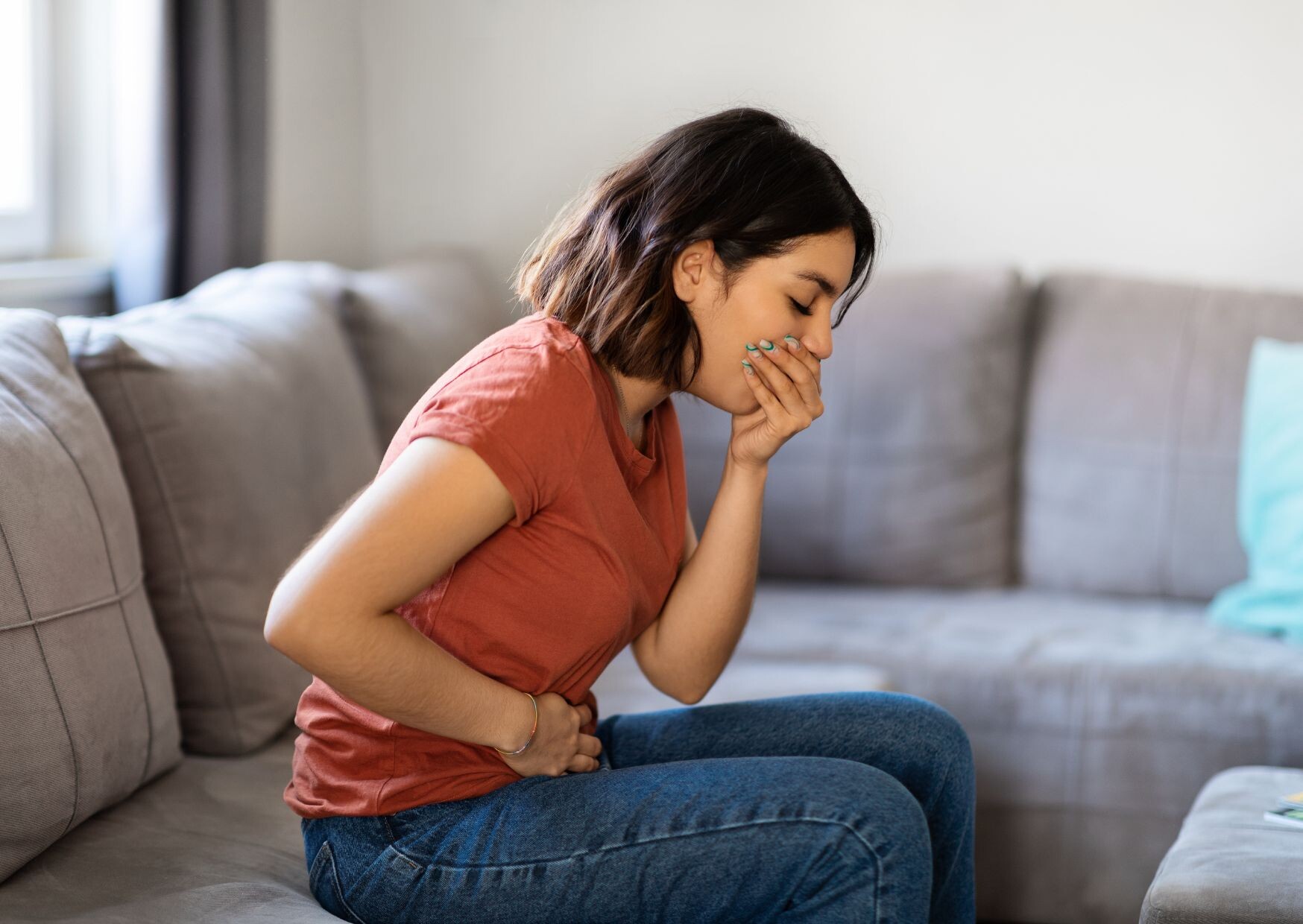
Symptoms usually appear between 2 and 12 hours after eating, but they can start later depending on the pathogen. Complaints vary widely, mainly affect the digestive tract, and range from mild to severe. Typical symptoms include:
- Nausea and vomiting: The body tries to expel the toxin as quickly as possible.
- Abdominal pain and cramps: Due to irritation of the intestinal lining.
- Diarrhea: The most common companion, often watery and associated with fluid loss.
- Fever, chills, or weakness: Signs of a stronger immune response.
- Headaches and circulatory problems: Caused by fluid and electrolyte loss.
In most cases, the poisoning subsides within 24 to 48 hours. If symptoms persist longer or are particularly severe, medical attention is essential.
Acute Help: What to Do If You Suspect Food Poisoning
If you suspect food poisoning, support your body. First, avoid solid foods and drink plenty to compensate for fluid loss. Still water, herbal tea, or oral rehydration solutions are ideal. Clear broth can also help stabilize circulation.
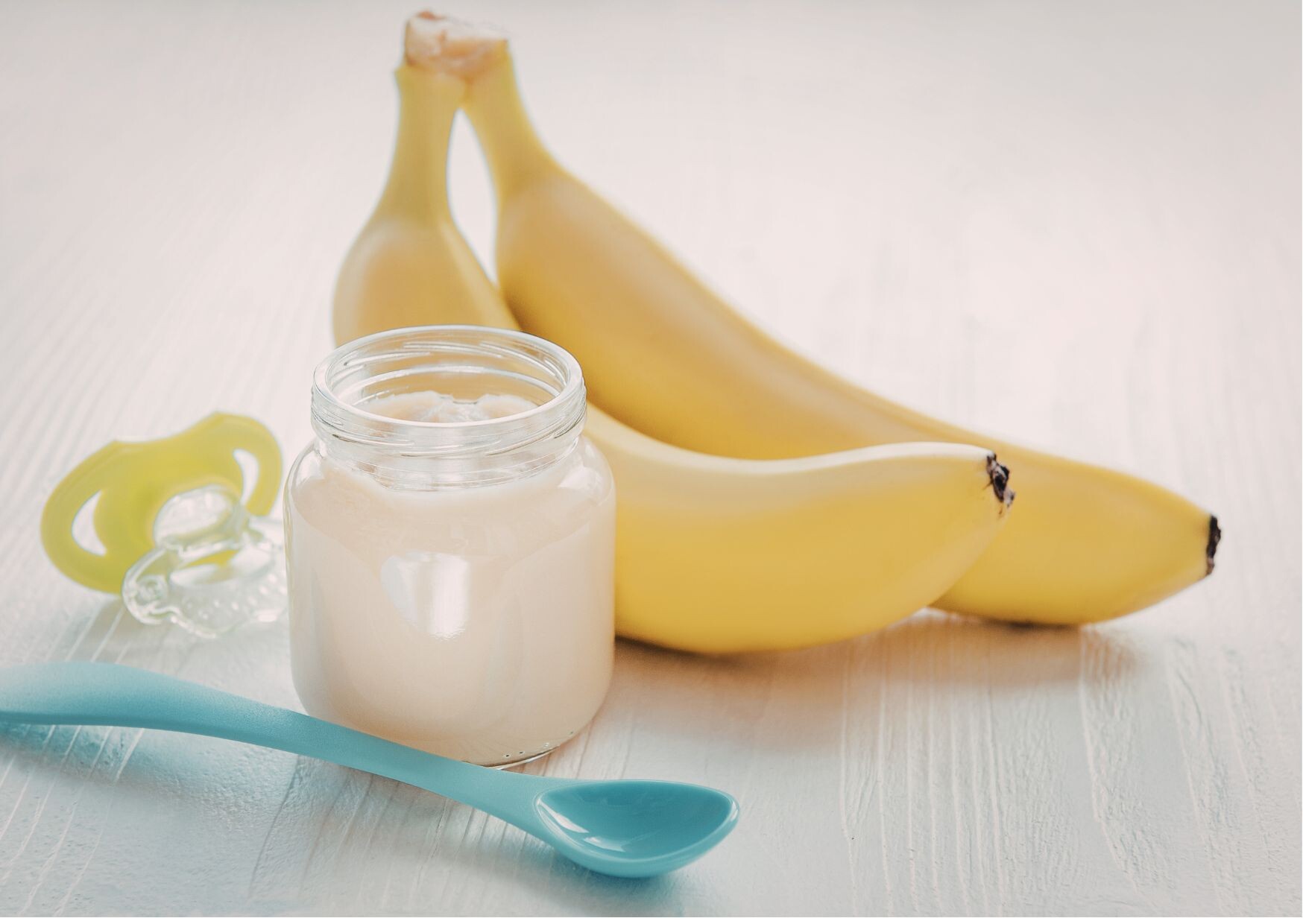
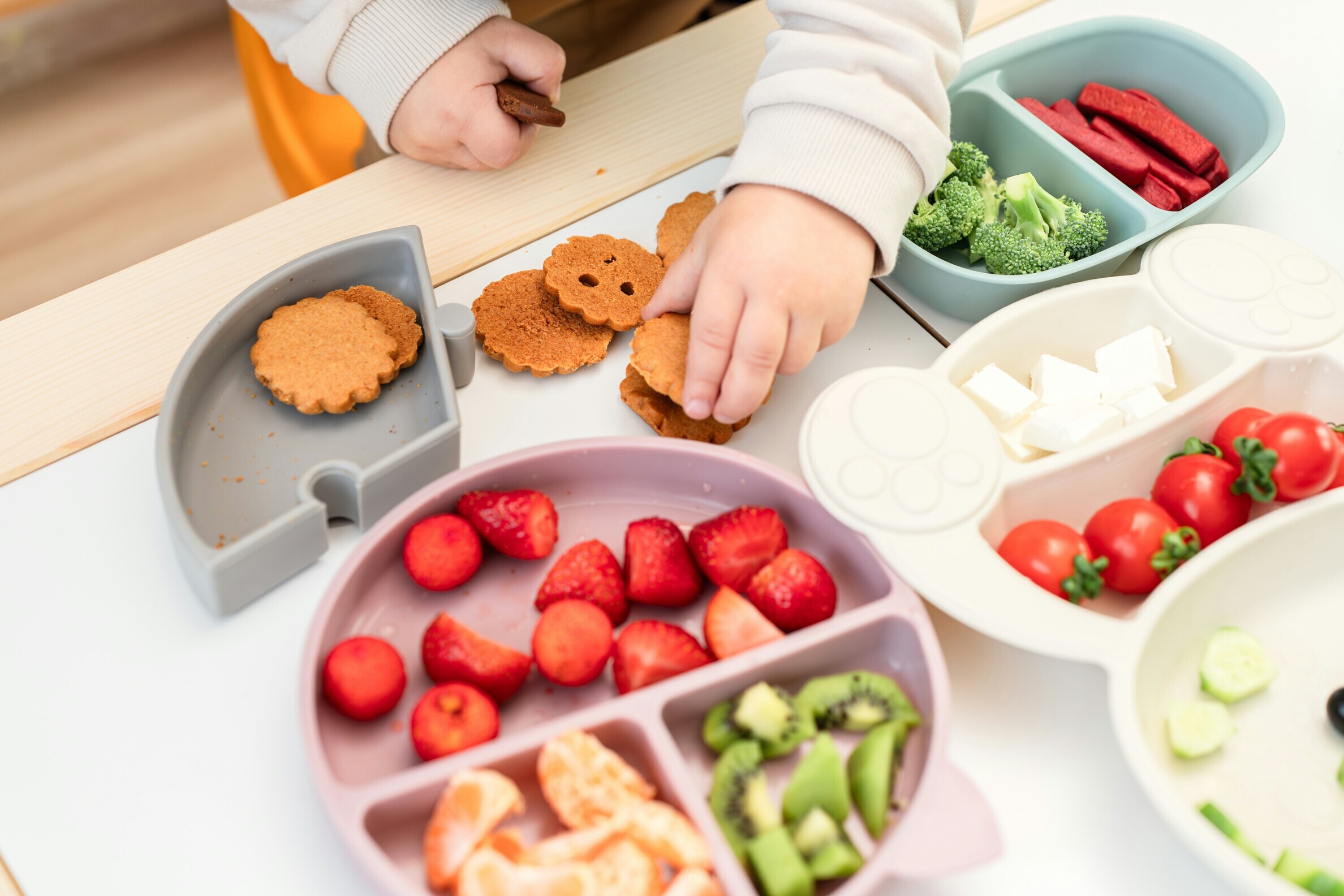
Once vomiting eases, start with light foods such as rusks, porridge, rice, or bananas. These are gentle on the stomach and provide energy without overloading it. Avoid fatty, heavily seasoned, or sugary foods. Coffee, alcohol, and nicotine add extra strain.
When to Seek Medical Help
If symptoms do not improve after two days despite rest and adequate fluids, see a doctor. The same applies if there is blood in the stool, the fever rises above 39 °C, or circulation is severely affected. Persistent vomiting, severe cramps, or signs of dehydration (dry lips, little urine, dizziness) are warning signs that should not be ignored.
Children, pregnant women, older adults, and people with weakened immune systems are particularly susceptible to severe courses. They should seek medical advice at the first signs to avoid complications.
Home Remedies for Food Poisoning
Home remedies do not replace medical treatment but can support recovery and ease symptoms:
- Chamomile and peppermint tea soothe the stomach and have anti-inflammatory effects.
- Grated apple contains pectin, which binds toxins.
- Healing clay or activated charcoal can absorb bacterial toxins in the gut.
- Fennel and caraway tea relieves cramps and supports digestion.
Aftercare: Let the Body Recover
After food poisoning, the digestive tract needs time to heal. Return to a normal diet gradually. Start with light foods before reintroducing high-fiber or fatty foods.
Rebuild the gut flora with probiotic foods such as yogurt, kefir, or fermented vegetables. These help restore the natural balance of gut bacteria. In the days after illness, also prioritize sufficient sleep, moderate exercise, and mindful eating — this strengthens the immune system and helps prevent relapses.
Prevention: Everyday Tips
A few simple measures can usually prevent food poisoning:
- Maintain the cold chain: Chill perishable foods quickly and ideally keep them below 5 °C.
- Heat thoroughly: Cook meat, fish, and eggs completely.
- Wash hands regularly: Especially after handling raw meat or eggs.
- Separate raw and cooked foods: Use different cutting boards and knives.
- Store leftovers safely: Eat cooked dishes within the recommended time or freeze them.
Conclusion: Safety Starts with Awareness
Food poisoning is unpleasant but usually harmless if you act quickly and correctly. The key is to recognize symptoms early, drink plenty, and avoid overexertion. With mindful eating, correct storage, and good kitchen hygiene, you can reduce the risk to a minimum.
Sources:
- Federal Institute for Risk Assessment (BfR). (2023). Foodborne infections and poisonings: Risks from microorganisms and toxins in foods. Berlin: BfR.
- Robert Koch Institute (RKI). (2022). Infection epidemiology yearbook of notifiable diseases. Berlin: RKI.
- World Health Organization (WHO). (2023). Foodborne diseases: Facts and prevention. Geneva: WHO.
- German Nutrition Society (DGE). (2022). Food hygiene at home: Recommendations to prevent foodborne infections. Bonn: DGE.
- Centers for Disease Control and Prevention (CDC). (2023). Food Poisoning: Symptoms, Causes, and Treatment. Atlanta, GA: CDC.

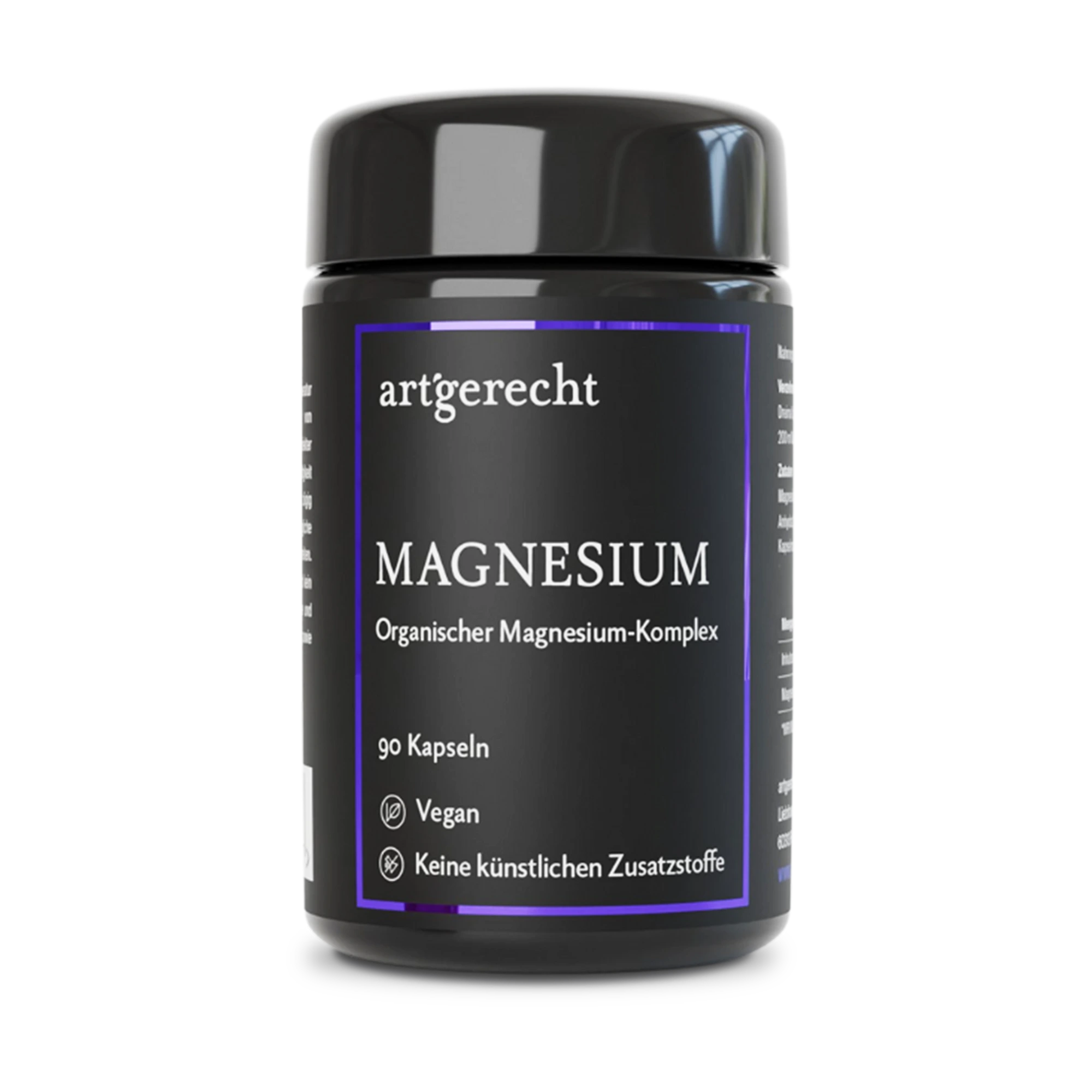

 UV-protected glass
 Non-GMO
 Product listed on the Cologne List®
 Gluten-free
 Lactose-free
 Vegan
Vegan

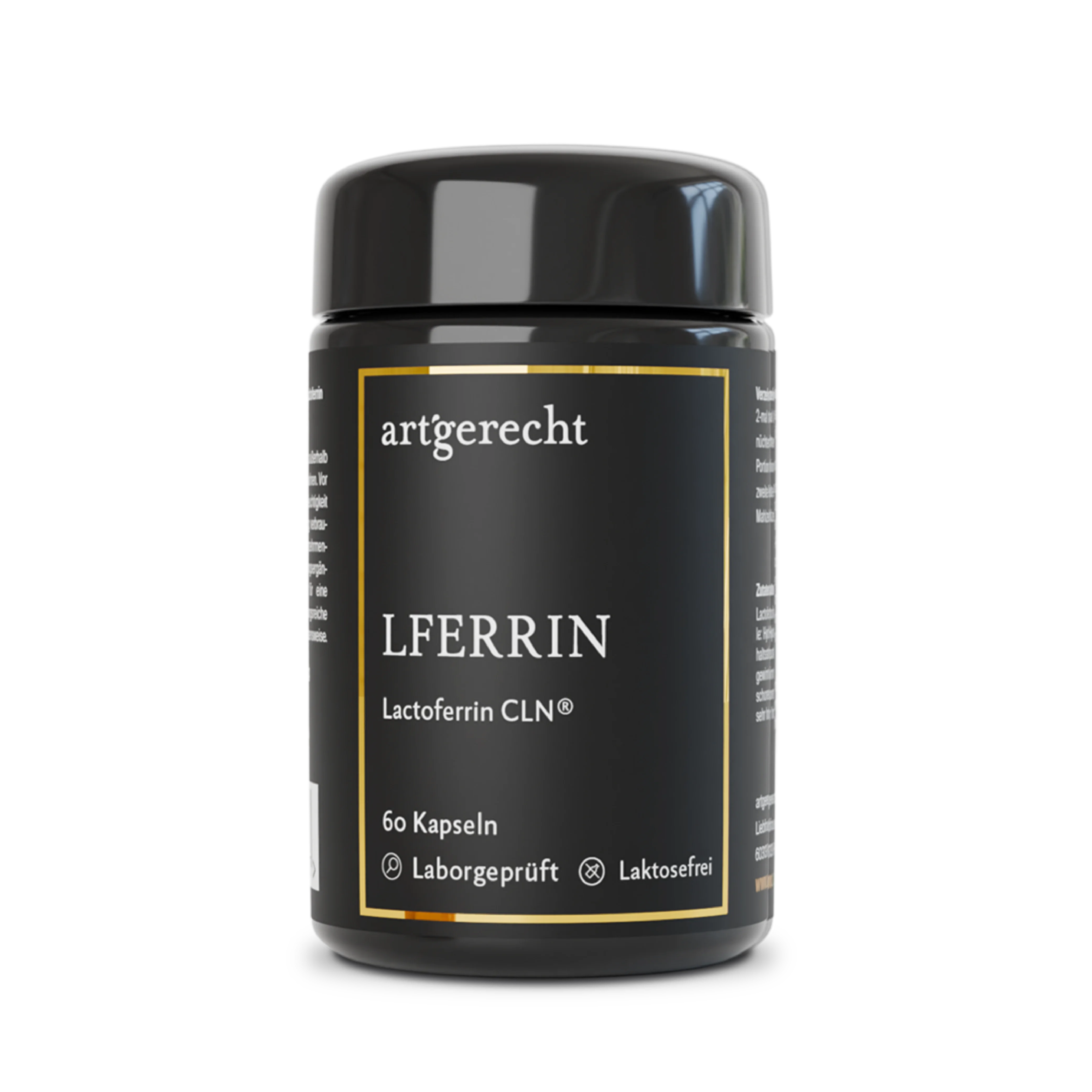
 Lab-tested
 No artificial additives
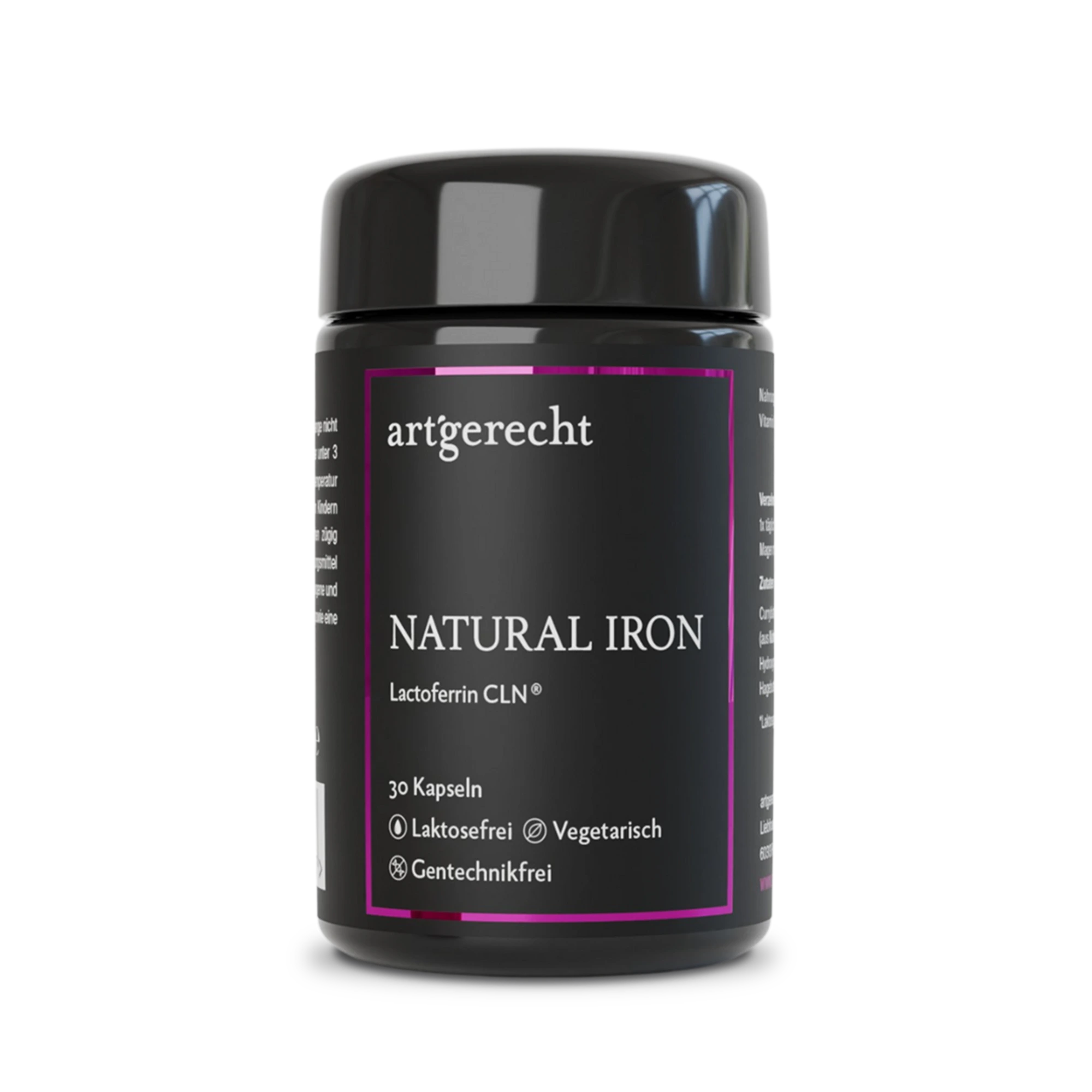
 100% vegetarian fermentation