Millions of Germans suffer from sleep deprivation
Millions of Germans chronically sleep too little – with serious health consequences. According to a recent analysis by Barmer health insurance, roughly one in fourteen citizens now suffers from sleep disorders, a 36% increase within a decade. In 2022, about six million people in Germany were affected – an alarming figure.
Older adults are particularly affected: among those over 60, almost one in eight struggled with sleep disorders in 2022. But sleep problems are also rising markedly in younger age groups – among 20- to 29-year-olds, there were nearly 50% more cases within ten years. Sleep deprivation has long since become a widespread condition that is often underestimated.
Sleep deprivation as a health risk: chronic consequences
If you regularly sleep too little, you dont just feel acutely tired – chronic sleep deprivation can cause serious harm. Clinicians warn that getting under five hours per night significantly raises the risk of chronic disease. Restorative sleep is essential for nearly all body systems. A lasting sleep deficit brings a host of downstream conditions:
- Cardiovascular disease: Long-term sleep deficit increases the risk of hypertension and heart disease. The likelihood of heart attacks or strokes measurably rises.
- Metabolism & overweight: Too little sleep impairs metabolism and promotes weight gain. Sleep disorders markedly increase the risk of overweight and type 2 diabetes.
- Immune system & infections: Ongoing sleep loss weakens immune defenses, making infections more likely.
- Memory & dementia: During sleep, the brain consolidates memories and repairs cells. Chronic deprivation can impair cognitive performance and is linked to a higher risk of dementias.
- Mental health: Untreated sleep disorders foster depression and anxiety. Persistent insomnia can also be an early warning sign of mental illness.
- Accident risk & performance: Overtired people react more slowly and are less focused. Drowsiness at the wheel or at work greatly increases accident risk.
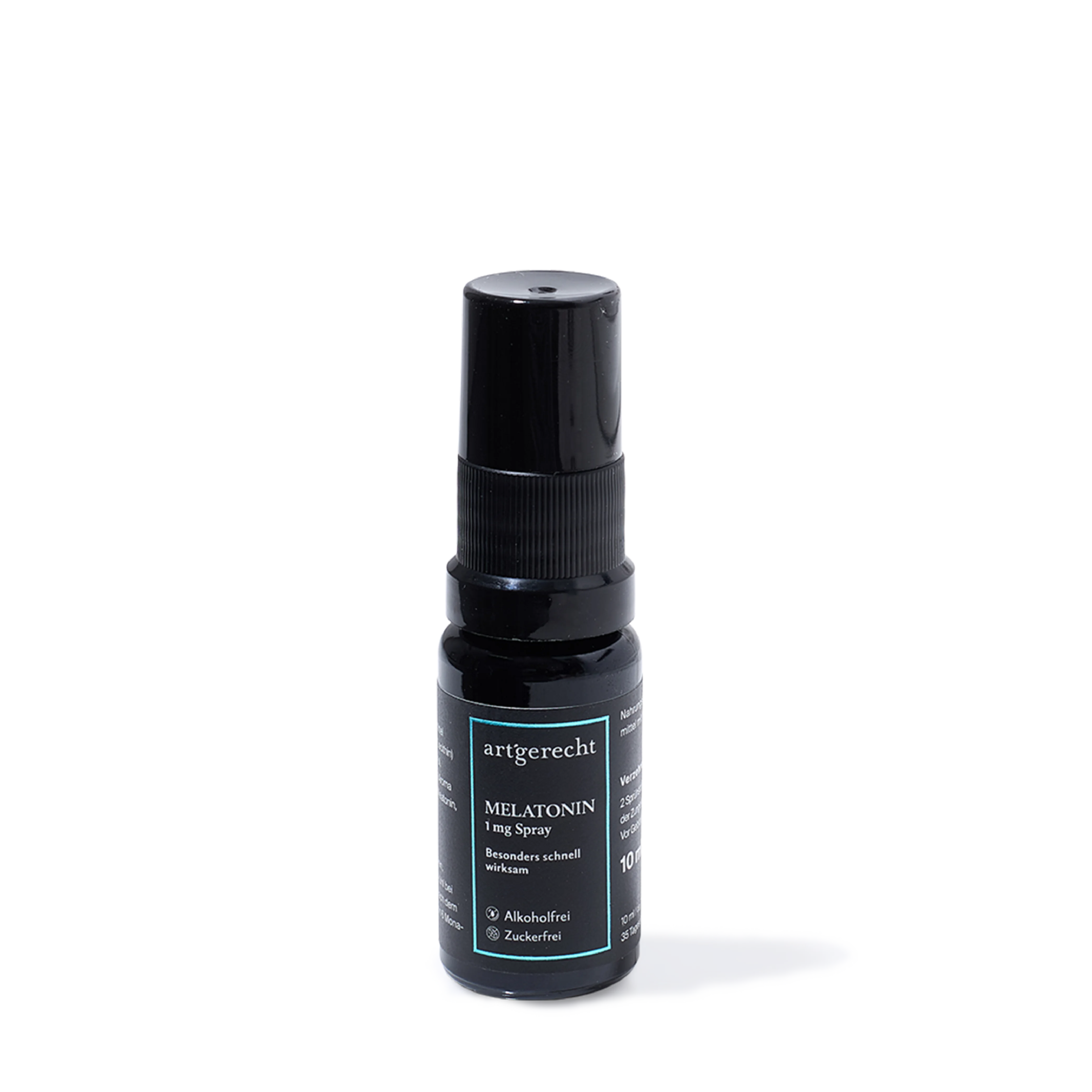
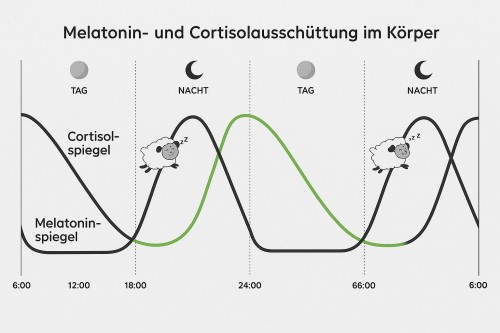
Newer research suggests sleep deprivation even harms cells themselves. DNA damage is normally repaired during sleep – without it, the bodys “workshop” suffers. The sleep hormone melatonin plays a dual role: it governs the circadian rhythm and acts as an endogenous antioxidant that protects cells from oxidative stress. Studies indicate that supplemental melatonin may help buffer molecular consequences of sleep loss.
Why so many sleep poorly: causes of sleep deprivation
There are many reasons for sleepless nights:
- Stress and psychological strain such as work pressure or worries
- Irregular schedules (e.g., shift work) that disrupt the body clock
- Evening screen use – blue light suppresses natural melatonin release
- Hormonal changes (e.g., menopause, puberty)
- Physical causes such as pain, sleep apnea, nocturia
- Poor sleep hygiene: late caffeine, heavy meals, restless bedroom
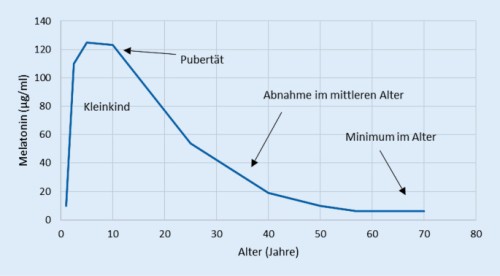
With increasing age, endogenous hormone production changes – melatonin secretion drops markedly. While younger people still produce ample melatonin in the evening, production in seniors often falls sharply. The bodys natural “bedtime” signal weakens, leading to frequent nocturnal awakenings, shorter deep sleep, and early morning awakening.
Sleep better – what helps against sleep deprivation?
The good news: there are effective ways to counter sleep loss.
- Improve sleep hygiene: Set bedtimes, keep it dark, quiet, and cool.
- Introduce wind-down rituals: Breathing exercises, meditation, an evening walk.
- Cut back caffeine, alcohol, nicotine: All can impair sleep quality.
- Daytime movement: Regular physical activity supports sleep.
- Professional help: Seek medical advice for persistent problems.
Gentle alternatives to sleeping pills
Prescription sleep medications carry risks and should be used only short-term. Many therefore turn to gentler options: plant extracts like valerian, hops, or lemon balm can be calming. Another natural approach is melatonin. Low-dose products are available over the counter in Germany.
Melatonin is considered relatively safe, non-addictive, and doesnt cause morning grogginess. It should be used deliberately and time-limited – ideally in consultation with a clinician.
Conclusion: take sleep deprivation seriously – for your health
Healthy sleep underpins wellbeing and quality of life. Millions in Germany suffer from sleep deprivation, but no one has to accept it. Small lifestyle changes can have big effects. Adding natural support such as melatonin can further help the body find rest again. Restorative sleep is one of the best investments in health and vitality.
Sources
- Barmer: “Sleep disorders – types, consequences, treatment”
- Deutsches Ärzteblatt: “Six million people in Germany with sleep disorders”
- Focus Online: “Millions suffer from sleep disorders”
- Helmholtz Munich: Studies on melatonin and DNA repair
- DGSM: Sleep hygiene recommendations