Thrombosis is among the most common and dangerous diseases of the vascular system. It occurs when a blood clot (thrombus) forms in a vein or artery and partially or completely blocks blood flow. Particularly feared is deep vein thrombosis (DVT), which often occurs in the leg veins and, if left untreated, can lead to a life-threatening pulmonary embolism.
The causes of thrombosis are varied. In addition to genetic predisposition, physical inactivity, overweight, smoking, hormonal changes (e.g., the contraceptive pill), surgery, or prolonged immobilization play a decisive role. Chronic inflammation and metabolic disturbances — for example in metabolic syndrome or diabetes mellitus — also increase risk.
While conventional medicine uses anticoagulants (“blood thinners”) for acute thrombosis, the question of natural approaches and supportive substances is gaining importance in prevention. Here, the plant alkaloid berberine is also discussed, valued in naturopathy for its diverse effects.
Symptoms of thrombosis
A thrombosis can remain asymptomatic for a long time. Typical signs — especially of a deep vein thrombosis — include:
- Sudden swelling of one leg
- Feeling of pressure or tightness
- Redness or bluish discoloration of the skin
- Pain when walking or at rest
- Warmth of the affected limb
Because symptoms can be non-specific, early medical assessment is essential.
Classic risk factors
- Physical inactivity, prolonged sitting or bed rest
- Surgeries and injuries
- Overweight and obesity
- Smoking
- Hormone therapies (e.g., pill, hormone replacement)
- Cardiovascular diseases
- Diabetes mellitus and metabolic syndrome
Natural approaches
Alongside standard medical measures, various approaches are discussed in naturopathy to support vascular health, including:
- Exercise & lifestyle: Regular movement promotes circulation and lowers the risk of clots.
- Nutrition: A balanced diet rich in omega-3 fatty acids, antioxidants, and fiber supports vascular health.
- Botanical compounds: Certain phytochemicals influence inflammation as well as glucose and lipid metabolism.
Berberine and thrombosis
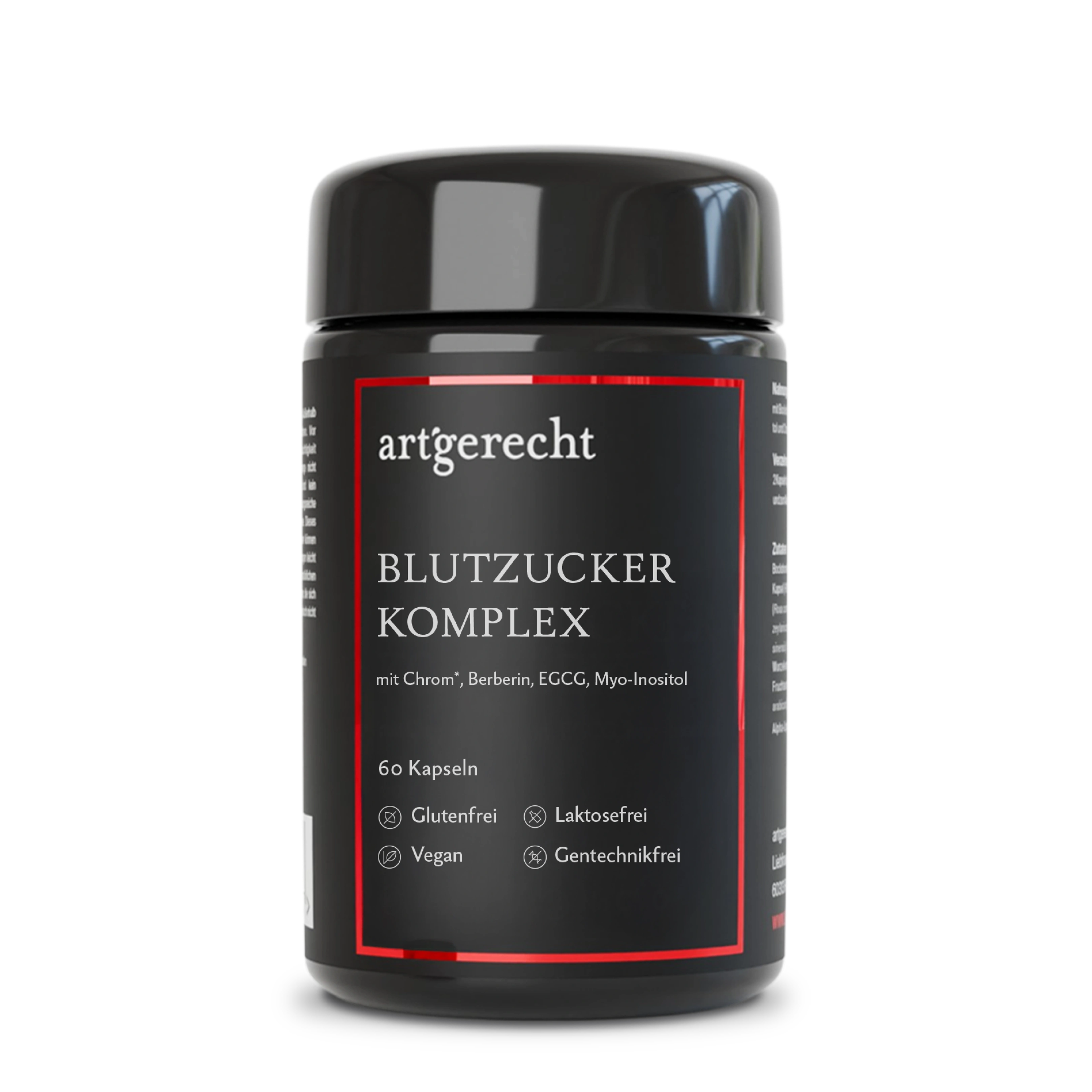
Berberine is an alkaloid found in plants such as barberry (Berberis vulgaris) and has been used in traditional medicine for centuries. In recent years it has moved into the research spotlight — particularly due to its glucose-lowering, lipid-lowering, and anti-inflammatory properties.
These effects are relevant for thrombosis prevention because a healthy metabolism and reduced chronic inflammation are key factors for vascular health. Studies suggest berberine may improve endothelial function, inhibit plaque formation in vessels, and thus reduce the risk of atherosclerosis — all processes involved in thrombosis.
It's important to emphasize that berberine is not a substitute for prescribed anticoagulants. Rather, it may serve as a supportive measure within comprehensive prevention, especially in people with metabolic syndrome or elevated blood sugar.
Natural thrombosis prevention
To reduce thrombosis risk in the long term, consider the following measures:
- Regular exercise: Even daily walks activate the calf muscle pump.
- Adequate hydration: Dehydration promotes clotting.
- Diet: A Mediterranean pattern with plenty of vegetables, fish, olive oil, and minimal processed foods.
- Avoid tobacco and excessive alcohol.
- Botanical supplements: In addition to berberine, garlic, ginger, and curcumin are being studied for vessel-protective effects.
- Compression stockings: Especially for long trips or sedentary work.
Conclusion
Thrombosis is a serious condition that can be life-threatening if untreated. While conventional medicine relies on anticoagulants for acute care, there is growing evidence that natural substances like berberine can provide valuable support for prevention and metabolic optimization. The decisive foundation remains a healthy lifestyle with movement, balanced nutrition, and avoidance of classic risk factors.
References
- Cheng F., Wang Y., Li J., et al. Berberine improves endothelial function by reducing endothelial microparticles-mediated oxidative stress in humans. International Journal of Cardiology. 2013;167(3):936–942.
- ClinicalTrials.gov. Effect of Berberine for Endothelial Function and Intestinal Barrier in Subjects at Cardiometabolic Risk.