As the days shorten and temperatures drop, our bodies respond to the darker season. Vitamin D levels in many people fall significantly during autumn and winter, as the vitamin is primarily produced through sunlight on the skin. In Central Europe, a deficiency is common from October to March.
An adequate vitamin D level is essential for numerous bodily processes – from the immune system and muscle function to bone health. This article explains why supplementation in the colder months makes sense, how to dose correctly, and what recent studies reveal about benefits and potential risks.
Vitamin D in Autumn – How Lack of Sun Leads to Deficiency
Vitamin D is synthesized in the skin when its exposed to sufficient UV-B radiation. In Central Europe, the body can usually produce enough between March and September with regular outdoor exposure. From October onward, however, the sun is too low to provide enough UV-B intensity for synthesis. Clothing, sunscreen, and indoor lifestyles further reduce production.
As a result, vitamin D levels drop dramatically during autumn and winter. Studies indicate that up to 60 % of the German population is inadequately supplied in winter. Such a seasonal deficit is linked to increased susceptibility to infections, muscle weakness, low mood, and, in the long term, osteoporosis.
Why Vitamin D Matters – For Immunity, Muscles, and Bones
Vitamin D is a fat-soluble vitamin converted in the body to its active hormone form, calcitriol. It regulates numerous metabolic processes. Key functions include:
- Immune support: Activates T-cells crucial to immune defense.
- Bone health: Promotes calcium and phosphate absorption for strong bones and teeth.
- Muscle function: Improves strength and reduces fall risk in older adults.
- Mood and energy: Low vitamin D levels are associated with low mood and winter fatigue.
How to Take Vitamin D – Dosage, Duration, and Tips
Because endogenous synthesis is limited in autumn and winter, many health authorities recommend supplementation. The German Nutrition Society (DGE) suggests 800 IU per day for adults without sun exposure. Newer research, however, shows that higher doses – typically 1 000 – 2 000 IU daily – may be needed to achieve optimal blood levels, depending on body weight and baseline status.
Before starting, its best to check your blood level. The relevant marker is 25-hydroxy-vitamin D (25-OH-D). Levels between 40 and 60 ng/ml are considered optimal.
Tips for Optimal Effect
- Vitamin D is fat-soluble – take it with a meal containing healthy fats.
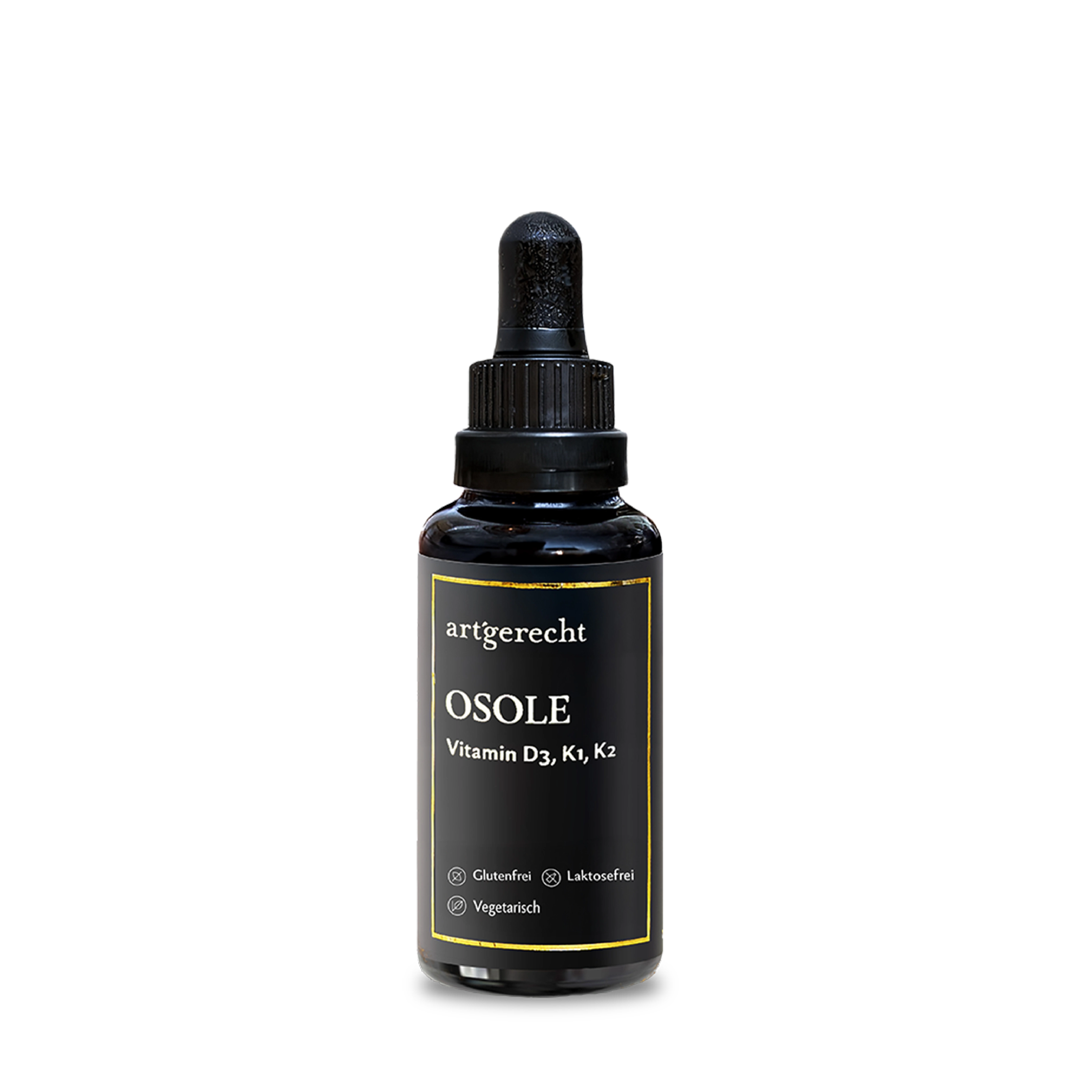
- Combine with vitamin K₂ to support proper calcium metabolism.
- Daily intake is usually more effective than infrequent high doses.
Scientific Evidence – Benefits and Risks
Numerous studies confirm the benefits of adequate vitamin D, particularly for bone strength and immune regulation. A meta-analysis by Martineau et al. found that regular vitamin D supplementation significantly reduces the risk of acute respiratory infections, especially in people with low baseline levels.
Nevertheless, excessive intake can cause hypercalcemia (elevated blood calcium), leading to nausea, weakness, or cardiac issues. Toxic effects generally occur only with long-term doses above 4 000 IU daily without medical supervision. Supplement wisely and, ideally, after a blood test.
Complementary Measures
Vitamin D supplements are no substitute for a healthy lifestyle. Even in winter, spend time outdoors – natural daylight supports your rhythm and well-being. Dietary sources also contribute modestly: fatty fish (salmon, herring, mackerel), eggs, liver, and fortified foods. Vegans and vegetarians often have higher risk of deficiency and benefit especially from supplementation.
Conclusion – Vitamin D in the Cold Season
Endogenous vitamin D production drops significantly in autumn and winter, leading to widespread deficiency. Since vitamin D plays key roles in immunity, mood, and bone strength, adequate levels are crucial. Moderate, regular supplementation helps maintain stability, energy, and resilience throughout the darker months.