
Press release: World Thrombosis Day 2025 — Awareness saves lives. On 13 October 2025, a topic that is often overlooked but can be life-saving moves into focus: thrombosis and its consequences. Around 40,000 people die in Germany each year from pulmonary embolism — a frequently preventable complication of deep vein thrombosis. The aim of the international day of action is to raise awareness of risk factors, recognize warning signs early, and integrate prevention into everyday life.
A special day with a medical background
World Thrombosis Day is held every year on 13 October, the birthday of Rudolf Virchow. In the 19th century, Virchow laid the foundations for understanding blood clots in vessels. His insights — especially the so-called “Virchow's triad” — remain crucial for modern thrombosis medicine. The triad describes the three main factors leading to thrombosis:
- Endothelial injury (damage to the vessel wall),
- Stasis of blood flow (sluggish flow), and
- Hypercoagulability (increased tendency to clot).
Awareness in everyday life in Leuna
To raise awareness where people are, a public information campaign will take place on 13 October 2025 at the NOVA shopping center in Leuna (near Leipzig). Visitors can learn about risks, symptoms, and prevention options between 10:00–19:00.
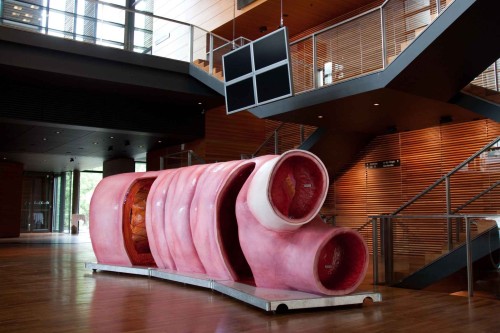
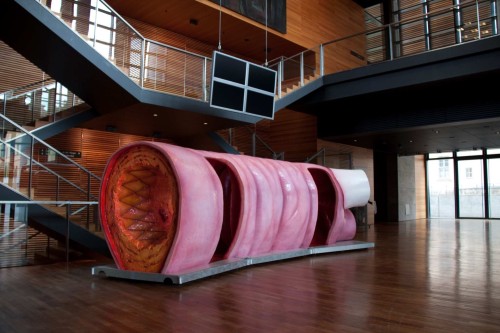
The goal is to lower barriers and bring education directly into daily life. What's special: the event combines medical knowledge with interactive elements. Visitors can expect, among other things:
- a walk-in vein model,
- free risk checks,
- talks with experts,
- as well as personal patient stories and a raffle.
Who is behind the campaign
In Germany, the Thrombosis Alliance works to increase public awareness of deep vein thrombosis and pulmonary embolism. Founded in 2014 by the German Society for Angiology, the alliance unites several medical societies and patient organizations, including:
- the German Vascular League
- the German Society for Phlebology and Lymphology
- the Society for Thrombosis and Haemostasis Research
- the German Society for Vascular Surgery and Medicine
Together, the partners advocate prevention, better diagnostics, and improved public education.
Why thrombosis often goes unnoticed
Thrombosis often progresses silently. Typical warning signs such as one-sided leg swelling, pain, or sudden shortness of breath are frequently dismissed or confused with harmless causes. Thrombosis can also develop gradually. As a result, diagnosis is often delayed, which significantly increases the risk of serious complications such as pulmonary embolism.
Symptoms can vary in intensity depending on the person and situation and are often overlooked or misinterpreted. The most common signs include:
- Swelling of one leg (usually one-sided)
- Pain or a feeling of tightness in the leg
- Warmth or redness of the skin
- Visible, prominent veins
A thrombosis can also occur entirely without clear symptoms. That's why prevention — such as exercise, adequate hydration, and a healthy lifestyle — plays a key role in avoiding dangerous outcomes.
Key information at a glance
When? 13 October 2025, 10:00–19:00
Address? Shopping center NOVA, 1, 06237 Leuna
Program? Walk-in vein model, experts on site, free risk check, patient stories & raffle
Organizer? Thrombosis Alliance
Further information about World Thrombosis Day, risk factors and prevention can be found on the alliance's website: https://www.risiko-thrombose.de.
Q&A: What is a thrombosis?
A thrombosis occurs when a blood clot (thrombus) forms in a blood vessel and partially or completely blocks blood flow. A deep vein thrombosis (DVT) most commonly occurs in the leg veins. If the clot breaks loose and travels to the lungs, it can cause a pulmonary embolism — potentially life-threatening.
Q&A: What are risk factors for thrombosis?
Thrombosis is not only an issue for older people or high-risk patients. Physical inactivity, long trips, surgeries, overweight, hormonal influences, or certain pre-existing conditions can significantly increase the risk of deep vein thrombosis.