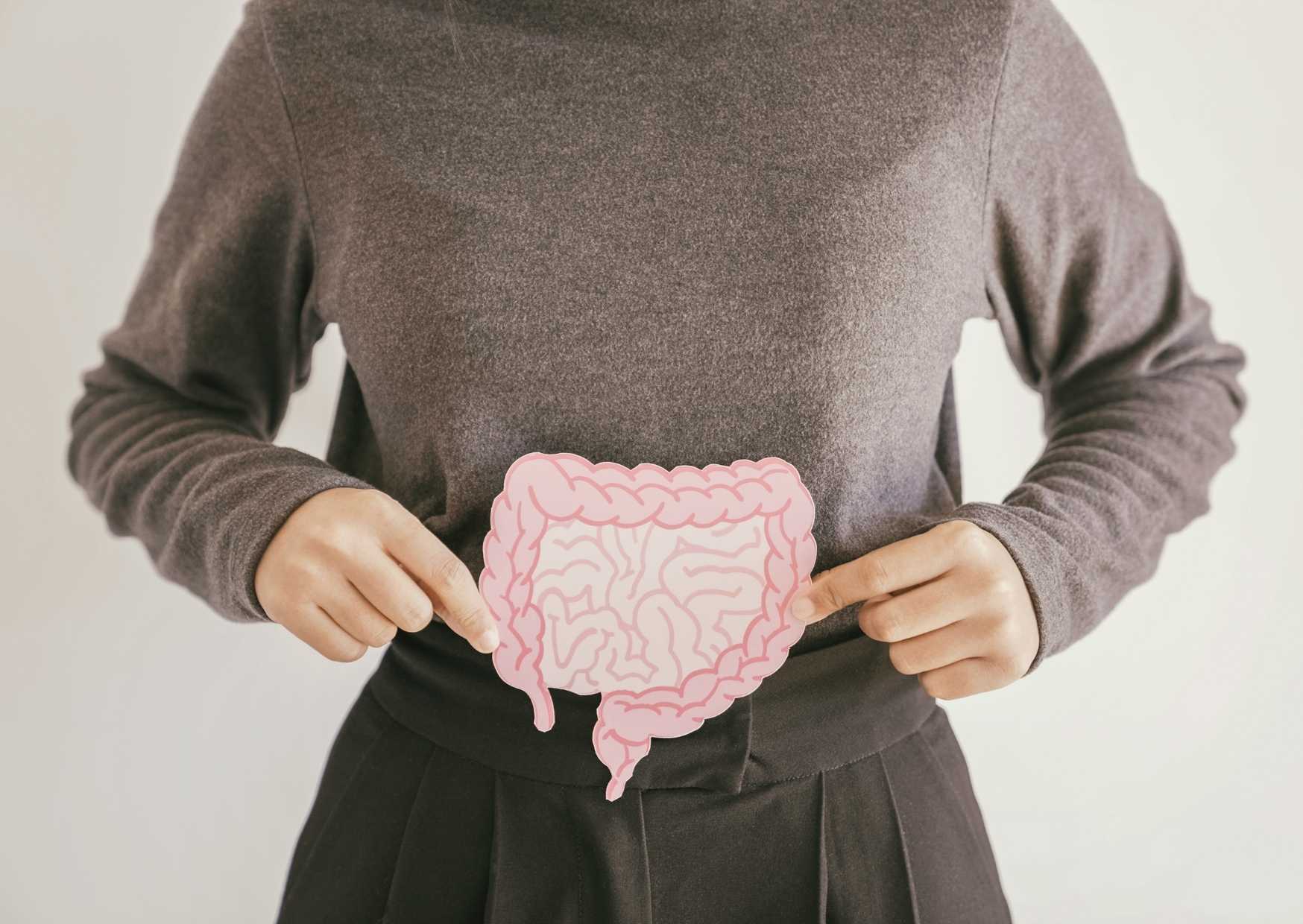
- What is Leaky Gut (leaky intestine)?
- Glutamine: key building block for intestinal cells
- Overview: Glutamine vs. fiber – complementary mechanisms
- Fiber: nourishment for microbiota and barrier
- Synergy of glutamine & fiber – why the combo is unbeatable
- Application tips
- Conclusion: the ideal combination for a healthy gut
A healthy gut is the foundation of our wellbeing. It not only regulates digestion but also influences the immune system, metabolism, and even mood. When the intestinal barrier becomes imbalanced, the so-called Leaky Gut Syndrome arises: cell junctions loosen, toxins enter the bloodstream, and chronic inflammation can follow.
Fortunately, there are effective approaches to strengthen the gut: a combination of the amino acid glutamine and plenty of fiber is particularly powerful. Together they support mucosal regeneration, foster a healthy microbiome, and help stabilize the barrier sustainably.
What is Leaky Gut (leaky intestine)?
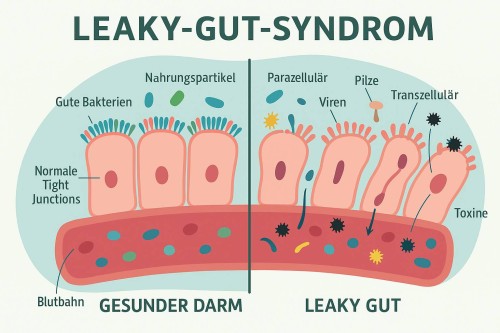
“Leaky Gut” refers to a disturbed intestinal barrier. Normally, intestinal epithelial cells are linked by tight junctions — protein “zippers” that only allow tiny molecules through. In Leaky Gut, these junctions are damaged, letting undigested food or toxins enter the bloodstream and trigger inflammation. A healthy barrier prevents this; when its compromised, chronic inflammation, autoimmune reactions, and metabolic disorders can arise.
In research, Leaky Gut is often measured via biomarkers like Zonulin, a protein that loosens tight junctions. High zonulin levels indicate increased permeability. Studies show that fiber-rich diets can lower serum zonulin — signaling a tighter barrier.
In short: with Leaky Gut, restoring cell junction integrity and reducing inflammatory triggers is key. Targeted nutrients like glutamine are especially effective. Glutamine is an amino acid that fuels intestinal cells (enterocytes) and promotes regeneration.
Glutamine: key building block for intestinal cells
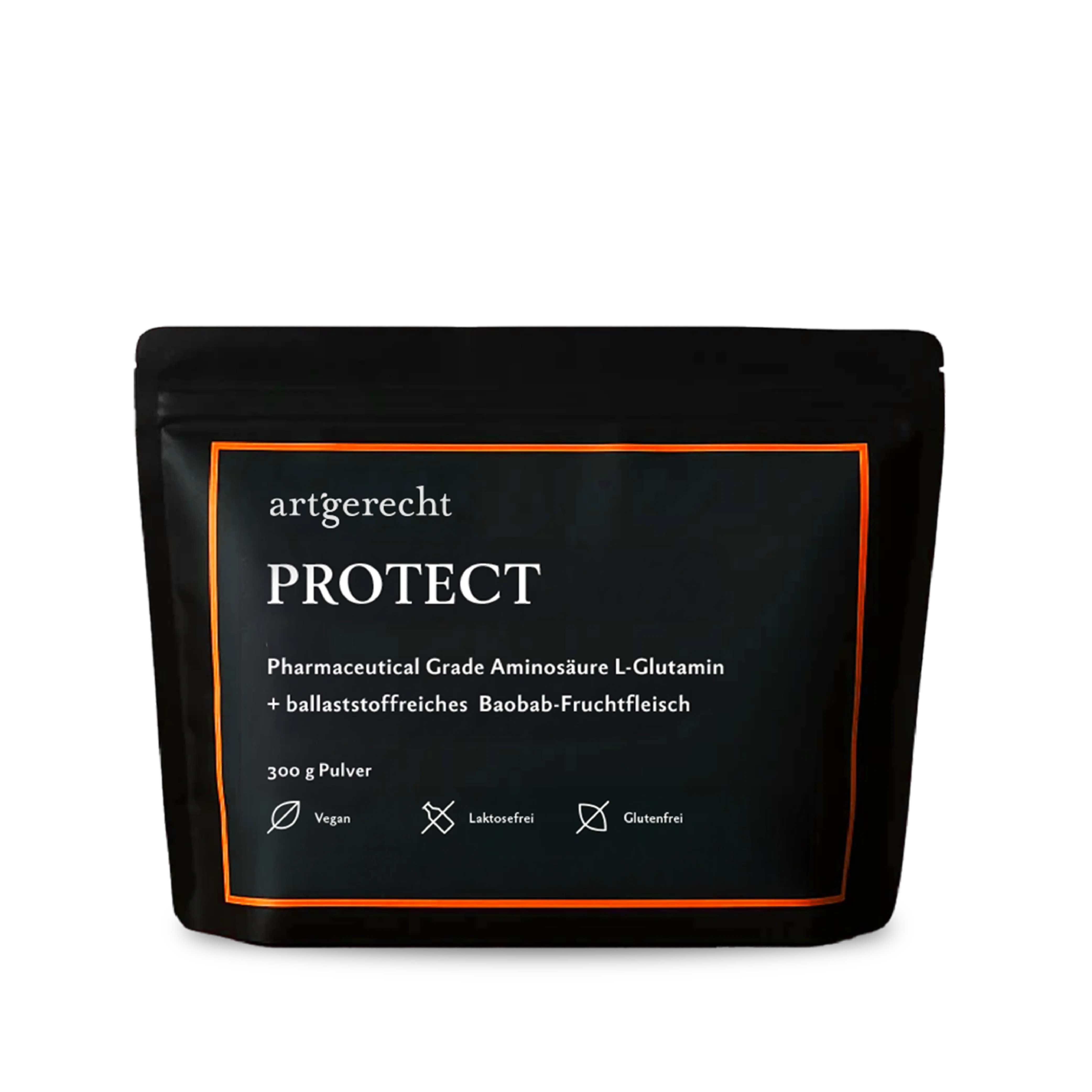
Glutamine is a semi-essential amino acid and the main “fuel” for intestinal cells — around 30% of all body glutamine is used in the gut. It powers cell division and renewal. A deficiency weakens the intestinal wall and reduces tight junction proteins. Supplementing glutamine restores these barrier functions and helps curb inflammation.
Overview: Glutamine vs. fiber – complementary mechanisms
Glutamine acts directly on intestinal cells, strengthening them from within. Fiber works indirectly, nourishing gut bacteria that produce short-chain fatty acids like butyrate — vital fuel for colon cells and key to barrier stability.
| Effect | Glutamine | Fiber |
|---|---|---|
| Energy source | Direct “fuel” for intestinal cells to renew and stay healthy. | Feeds beneficial bacteria that produce butyrate — energy for colon cells. |
| Barrier protection (Tight Junctions) | Strengthens cell connections, making the wall tighter. | Indirect: butyrate from fiber reinforces tight junctions. |
| Inflammation | Reduces pro-inflammatory signaling and cytokine release. | Supports healthy flora that lowers toxin load and systemic inflammation. |
| Microbiome | Little direct impact. | Feeds good bacteria, increases diversity, boosts SCFA production. |
Fiber: nourishment for microbiota and barrier
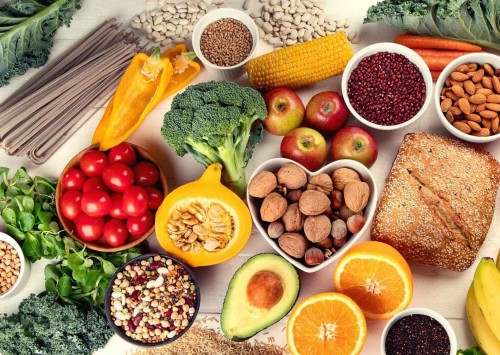
Fiber are indigestible plant carbohydrates (e.g. cellulose, pectin, resistant starch). They pass undigested to the colon, serving as food for gut bacteria. Especially soluble fibers (e.g. pectin from apples, beta-glucan from oats) ferment into short-chain fatty acids like butyrate, which feed colon cells and strengthen the barrier.
Insoluble fibers absorb water, increase stool bulk, and promote elimination, which helps prevent inflammation.
Types of dietary fiber & their effects
| Fiber type | Food sources | Effect |
|---|---|---|
| Soluble fiber | Oats, barley, apples, carrots, legumes | Forms gel, slows sugar absorption, lowers cholesterol, ferments to SCFA. |
| Insoluble fiber | Whole grains, wheat, vegetables | Increases stool volume, supports digestion, prevents constipation. |
| Resistant starch | Cooled rice, green bananas, legumes | Ferments in the colon, boosts butyrate production. |
Clinical studies confirm fibers benefits for barrier integrity. In one trial, raising daily fiber from 19g to 29g reduced zonulin by ~90%, indicating tighter intestinal junctions and better metabolic markers.
Recommended intake: at least 25–30 g of fiber daily from fruits, vegetables, whole grains, legumes and nuts. Beyond Leaky Gut, high-fiber diets lower risk for heart disease, diabetes and colon cancer.
Synergy of glutamine & fiber – why the combo is unbeatable
Glutamine repairs mucosa; fiber nourishes microbiota. Together, they act synergistically: glutamine fortifies the wall, fiber maintains a balanced microbiome and dampens inflammation.
- Energy metabolism: Glutamine fuels small intestine cells directly; fiber-derived butyrate powers colon cells.
- Barrier protection: Glutamine tightens junctions, butyrate stabilizes mucosa.
- Inflammation & microbiome: Glutamine reduces NF-κB activation; fiber supports beneficial bacteria and lowers CRP inflammation markers.
Application tips
This double strategy benefits anyone aiming for better gut health — from chronic digestive issues to post-antibiotic recovery or prevention of leaky gut. Combine dietary fiber and glutamine consistently for several weeks for optimal effect.
- Glutamine sources: poultry, beef, fish, eggs, dairy, soy, nuts. Supplements can ensure consistent intake.
- Fiber sources: whole grains, legumes, vegetables, fruits, nuts. Mix soluble and insoluble types.
Conclusion: the ideal combination for a healthy gut
A diet rich in glutamine and fiber strengthens the gut in two ways: glutamine repairs the mucosa and fiber nourishes protective bacteria. Together, they promote digestion, reduce inflammation and support long-term intestinal health.
References: Abbasi et al. (2024); Akbar (2023); Kim & Kim (2017); Krawczyk et al. (2018); Liu et al. (2022); Tabat et al. (2020).