Fibermaxxing: How Fiber Boosts Your Health
You want better digestion and a stronger immune system—without extreme diets? Then fibermaxxing could be for you. The trend focuses on purposefully increasing daily fiber intake—easy to do with noticeable effects.
While many people only consume 15–20 g of fiber per day, research is clear: raising intake to 30, 40 or even more grams can bring multiple benefits—steadier blood sugar, a healthier microbiome, stronger satiety and improved weight management.
Heres what fibermaxxing means, the health benefits of fiber, and how to build it into your routine step by step.
What does fibermaxxing mean?
Fibermaxxing is the intentional effort to significantly increase daily fiber intake. The German Nutrition Society (DGE) recommends at least 30 g/day for adults—fibermaxxing often targets ~40 g or more.
The approach is grounded in nutrition science: fiber supports regular digestion, stabilizes blood glucose, nurtures the gut microbiome and can lower risk for chronic disease.
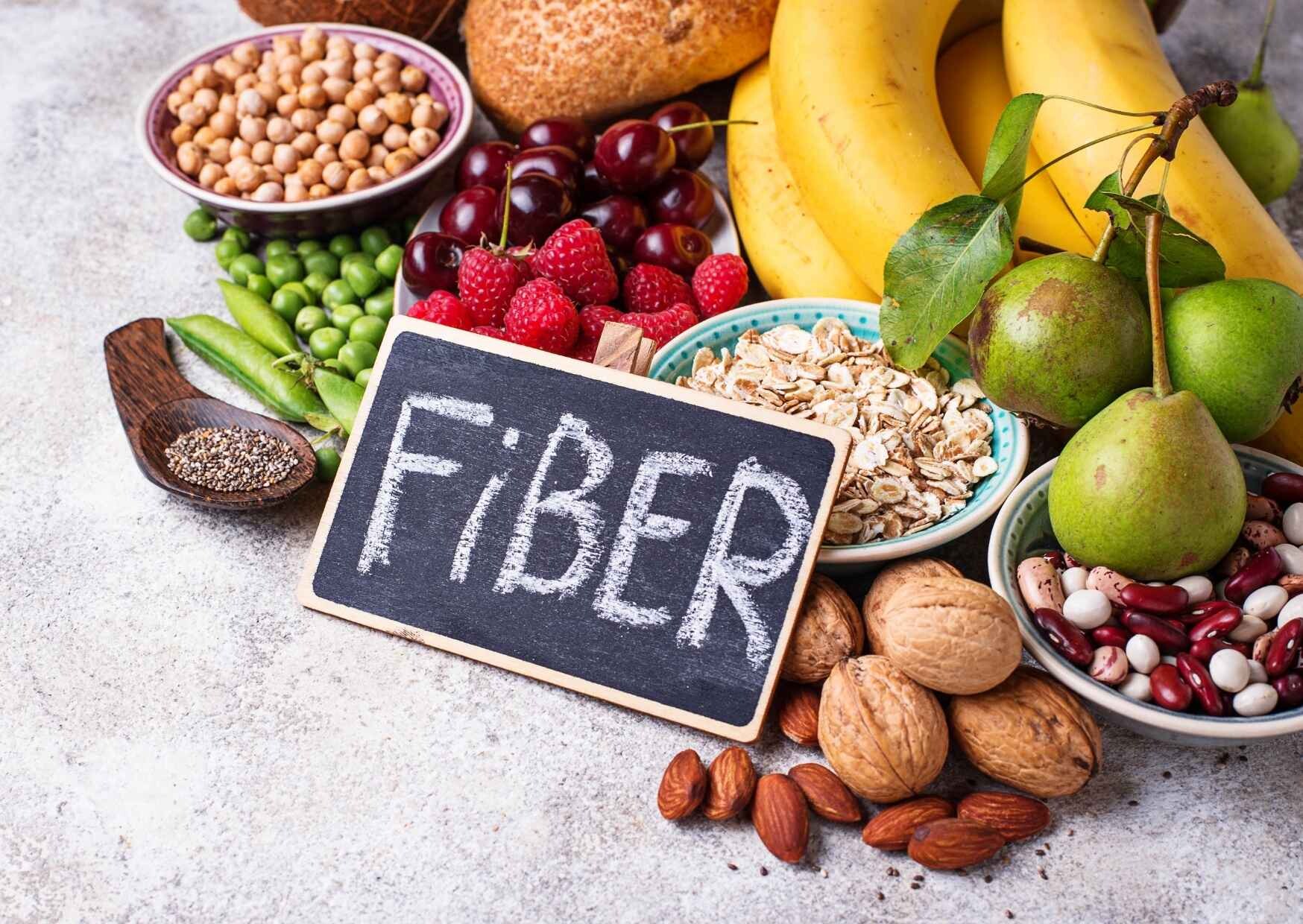
Core foods include legumes, vegetables, fruit, nuts, seeds and whole grains. Functional fibers such as inulin, resistant starch or psyllium husk can complement food. Mixing soluble and insoluble fibers is key to regulate both blood sugar and bowel motility.
Why fiber matters
1) Digestion & microbiome
Fiber feeds “good” gut bacteria and promotes short-chain fatty acids such as butyrate—supporting a healthy gut lining and anti-inflammatory effects.
High-fiber eating can help with:
- Constipation
- Irritable bowel syndrome (depending on fiber type)
- Stabilizing the gut barrier (leaky-gut prevention)
This strengthens immunity, lowers systemic inflammation and helps keep unwanted substances from crossing into the body.
2) Blood sugar & cholesterol
Soluble fibers like psyllium or beta-glucans slow glucose absorption in the small intestine, which means:
- Fewer post-meal glucose spikes
- Better insulin action
- More stable long-term glycemia
They also help lower LDL cholesterol, reducing atherosclerosis and heart-attack risk.
3) Weight control
Fiber adds bulk with few calories, swells in the stomach, and increases satiety. Combined with protein, it supports appetite control and more stable blood sugar to curb cravings.
How to do fibermaxxing right
To avoid discomfort, ramp up gradually and pair higher fiber with adequate fluids and variety.
Start slow & hydrate
Jumping from 15 to 40 g/day overnight can cause bloating, cramps, constipation or diarrhea. Your microbiome needs time to adapt. Rapid increases intensify fermentation—producing gases like hydrogen, methane and CO₂. If the gut cant move gas along, youll feel distension and cramps.
Fiber needs water to swell and work. Too little fluid can pull water from the gut and slow transit; some soluble fibers can even loosen stools in sensitive people.
Mix fiber types
Include both:
- Insoluble fiber (e.g., whole grains, vegetables): stimulates peristalsis
- Soluble fiber (e.g., oats, psyllium, legumes): regulates blood sugar & cholesterol
Tip: Increase intake by ~5 g per week and drink at least 2.5 L water daily.
Great foods for fibermaxxing
| Food | Fiber type / properties |
|---|---|
| Oats, barley | Rich in beta-glucans; support cholesterol & blood sugar |
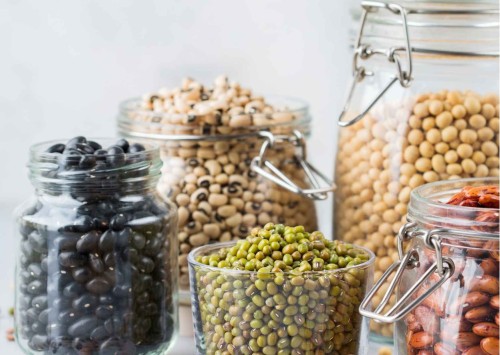
| Lentils, beans, chickpeas | Both soluble & insoluble fiber; plus plant protein |
| Broccoli, spinach, Brussels sprouts | High-fiber, vitamin-rich; support gut health |
| Flaxseed, chia | Gel-forming; aid digestion; provide plant omega-3 |
| Whole-grain bread, brown rice, spelt | Good insoluble fiber; promote regularity |
| Berries, apples, pears (with skin) | Soluble fiber & antioxidants; ideal snacks/breakfast |
Supplements as an add-on
If food alone doesnt cover your needs, functional fibers help—always titrate slowly and watch tolerance.
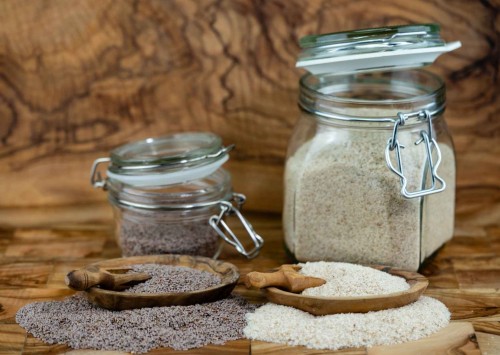
- Psyllium husk: normalizes both diarrhea and constipation
- Inulin / oligofructose: prebiotic; nurtures beneficial bacteria
- Resistant starch (e.g., cooked & cooled rice/potatoes): supports the colon; may improve insulin sensitivity
- Beta-glucans: cholesterol-lowering; immune-modulating (oats/barley)
Possible risks & precautions
Be cautious with IBS, IBD (Crohns/colitis), or medications:
- IBS: some fibers high in FODMAPs (e.g., inulin, some legumes, onion/garlic, wheat) may aggravate symptoms.
- IBD: during flares, high fiber can irritate an inflamed mucosa.
- Drug interactions: fiber may reduce absorption of anticoagulants, thyroid hormones or antibiotics—separate timing.
If you have conditions or take meds, consult your clinician first. And remember: fibermaxxing is not a substitute for a balanced diet.
Conclusion
Done sensibly, fibermaxxing is a powerful lever for health, energy and quality of life. Increase gradually, eat a diverse, plant-forward diet and drink enough—your digestion, immune system, blood sugar and long-term health will thank you.