Boost your metabolism: A guide for more energy, health & weight loss
An active metabolism is the key to more energy in everyday life, a healthy body and sustainable weight loss. When the metabolism works efficiently, the body not only burns more calories at rest, but also uses nutrients more effectively. In this article, you will learn how to naturally boost your metabolism, increase your calorie consumption and burn fat in the long term. We focus on scientifically proven strategies that really work.
What is metabolism and how does it work?
Metabolism (medically also called metabolism or metabolismus) is a collective term for all biochemical processes in the body that are involved in the intake, transport, conversion and elimination of substances. Metabolism is responsible for enabling us to generate energy from food, supply our cells with nutrients and maintain vital body functions.
When we eat food, the body breaks it down into its smallest components. Carbohydrates are converted into glucose, proteins into amino acids and fats into fatty acids. These molecules enter our cells via the bloodstream, where they are either used immediately as energy, used as building blocks for cells and tissues or stored. These processes are controlled by enzymes and hormones such as insulin, glucagon, adrenaline and thyroid hormones [1]:
| Hormone |
Function in metabolism |
| Insulin |
Promotes the uptake of glucose into cells, stimulates glycogen and fat storage, inhibits fat breakdown. |
| Glucagon |
Antagonist of insulin, mobilises glucose from the liver (glycogen breakdown), promotes fat breakdown. |
| Adrenaline |
Stress hormone, activates energy metabolism, increases the release of fat and sugar. |
| Thyroid hormones (T3, T4) |
Increase basal metabolic rate, raise energy consumption and influence almost all metabolic processes. |
| Leptin & ghrelin |
Regulate appetite and energy balance, leptin suppresses hunger, ghrelin increases it. |
Carbohydrates – for example from bread, rice, fruit or sugar – are broken down into smaller sugar components by enzymes such as amylase until they are finally converted into glucose. Glucose passes through the intestinal wall into the blood and causes the so called rise in blood sugar. The hormone insulin (from the pancreas) is released to transport the glucose into the cells, where it is either burned immediately for energy production (ATP) or stored as glycogen in the liver and muscles. Once glycogen stores are full, excess glucose is converted into body fat. [2]
Proteins – for example from meat, dairy products, legumes or eggs – are broken down in the stomach by pepsin and then by enzymes such as trypsin into their amino acids. These amino acids are absorbed into the blood and serve as building blocks for body tissue, enzymes, hormones, antibodies and neurotransmitters. Only in an emergency, such as during calorie deficiency, does the body use amino acids for energy production. This is inefficient and can lead to muscle loss in the long term. [3]
Dietary fats – for example from oils, nuts, avocados or meat – are split by the enzyme lipase into fatty acids and glycerol. These components enter the blood via the lymphatic system and are available to the cells as a highly concentrated energy source. Any fatty acids that are not needed are stored in fat cells as an energy reserve for times of food shortage or increased demand. [4]
The three main components of energy expenditure
Metabolism has a major influence on how many calories our body uses per day. This energy expenditure consists of three central components: basal metabolic rate, the thermic effect of food and physical activity. The extent to which these components are expressed can vary from person to person.
1. Basal metabolic rate (BMR)
The basal metabolic rate describes the amount of energy the body needs in complete rest to maintain vital functions such as
- heartbeat,
- breathing,
- cell regeneration,
- brain activity,
- temperature regulation
It accounts for around 60–70% of total daily calorie consumption and is influenced by the following factors: age, sex, body weight, muscle mass and hormone balance.
2. Activity energy expenditure (Physical Activity Level)
Activity energy expenditure refers to the energy consumption caused by physical activity, for example through everyday movement, sport, housework, walking or standing, but also through unconscious movements such as fidgeting. This share is variable and can make up between 15% (with a sedentary lifestyle) and over 40% (with very active people) of total energy consumption.
3. Thermogenesis (Thermic Effect of Food)
Thermogenesis describes the energy required for the digestion, absorption and utilisation of nutrients. This process runs automatically after every meal and ensures that part of the calories consumed is burned directly again. Depending on the type of nutrient, different amounts of calories are used for digestion:
- Protein: up to 25–30% of the energy content
- Carbohydrates: around 5–10%
- Fats: only 0–3%
On average, this effect accounts for 5–15% of daily energy expenditure, but can be specifically increased through clever nutrition (for example high protein). [5]
Nutrition to boost metabolism
The choice of the right foods has a considerable influence on metabolism. Certain foods and nutrient combinations can measurably stimulate metabolism, increase thermogenesis and thus ensure higher fat burning even at rest. Three nutritional components are particularly important here:
1. Protein – macronutrient with the highest thermic effect
Proteins are much more than just a building block for muscles: they are a real metabolism booster. Of the three macronutrients (carbohydrates, fats and proteins), protein has the highest thermic effect, also known as diet induced thermogenesis (DIT). [6]
Protein supports muscle building: muscles are metabolically active tissue that burns more calories than fat even at rest. The higher the muscle mass, the higher the basal metabolic rate (BMR), that is, the amount of calories the body burns at rest. A high protein diet promotes not only the maintenance of muscle mass but also muscle growth in combination with strength training. [6]
High protein foods to boost metabolism (a selection):
- Eggs: high quality protein with all essential amino acids
- Low fat quark: a lot of protein with little fat
- Chicken breast: lean, easily digestible muscle protein
- Lentils & legumes: plant based protein source plus fibre
- Tofu & tempeh: ideal for a vegan diet, rich in protein and low in fat
Tip: Distribute protein evenly across all meals to continuously promote thermogenesis and keep blood sugar stable.
2. Spicy spices – naturally increase calorie consumption
Spicy spices such as chilli, cayenne pepper, black pepper and ginger contain bioactive substances, especially capsaicin.
Capsaicin stimulates heat production (thermogenesis) and fat oxidation. It increases energy expenditure after eating by activating the sympathetic nervous system. This is responsible for activating the body in stress or danger situations. This process is also called the fight or flight reaction. When the sympathetic nervous system is activated, the body releases stress hormones such as adrenaline. These increase metabolism and promote fat oxidation, thereby increasing energy consumption – even at rest. Capsaicin can also help regulate appetite by reducing hunger and increasing satiety. [7]
The effects are moderate but can add up over many meals to make a relevant contribution to calorie consumption, especially in combination with a high protein diet and exercise. [8]
3. Green tea & coffee – stimulants with metabolic function
Caffeine stimulates the central nervous system and temporarily increases energy expenditure. It promotes lipolysis, that is, the release of fatty acids from fat cells for energy production. Physical performance is also increased, which indirectly leads to more movement and thus to higher calorie consumption. Caffeine can increase calorie expenditure by 3–11% in the short term.
Green tea contains not only caffeine but also special polyphenols such as epigallocatechin gallate (EGCG). These act
- antioxidant,
- anti inflammatory,
- and also promote thermogenesis. [9]
EGCG enhances the effect of noradrenaline – a hormone that promotes fat breakdown. With regular intake, green tea can increase fat burning by up to 17% (depending on the person and dosage).
Exercise and sport stimulate metabolism
Exercise and sport are among the most effective methods for boosting metabolism and increasing energy consumption. Strength and interval training in particular promote muscle building and ensure a lasting afterburn effect.
Strength training
Muscle tissue is a real calorie burner – not only during movement but also at rest. Compared to fat tissue, muscles use significantly more energy because they are more metabolically active and must be continuously supplied with nutrients and regenerated. The more muscle mass the body builds, the higher the basal metabolic rate.
Regular strength training is therefore one of the most effective strategies to boost metabolism in the long term. It not only helps to reduce fat mass and build muscle, but also contributes to optimising hormonal processes that influence energy consumption, for example through the release of growth hormones and testosterone. In addition, strength training provides the so called afterburn effect, through which the body burns additional calories for hours after training. It is recommended to perform an intensive full body workout 2–3 times per week. [10]
Interval training (HIIT)
High intensity interval training (HIIT) is a particularly efficient form of training to stimulate metabolism and achieve maximum results in a short time. The intense alternation between effort and recovery leads to increased energy expenditure not only during training but also afterwards. The body continues to work at a high level for hours after training to regenerate, restore oxygen balance and normalise metabolic processes.
HIIT is a training method in which short, very intense periods of exertion alternate with short recovery phases. The aim is to improve strength, endurance and fat burning as effectively as possible in a short time. [11] This interval principle challenges both the cardiovascular system and the muscles to a high degree.
Do not underestimate everyday movement
Everyday activities such as climbing stairs, walking or housework also contribute significantly to energy expenditure. This so called non exercise activity thermogenesis (NEAT) includes all calories burned through spontaneous movements, that is, activities that are not considered targeted training. [12]
Activities such as standing instead of sitting, walking to work or doing household chores can add up over the course of the day and significantly increase total energy expenditure.
Lifestyle and everyday tips to boost metabolism
A healthy lifestyle can have a decisive influence on metabolism. Sufficient sleep, stress reduction, regular movement in everyday life and conscious breaks support hormonal balance and active energy turnover.
Enough sleep
Sleep is one of the most underestimated factors when it comes to a healthy metabolism and sustainable weight regulation. While we sleep, our body undergoes numerous regenerative processes. These not only serve recovery but also regulate hormone balance. This has a direct influence on our energy consumption and our feeling of hunger.
Studies show that too little sleep reduces the release of the satiety hormone leptin, while the level of the hunger hormone ghrelin increases at the same time. This leads to more appetite, especially for high calorie and carbohydrate rich foods, and at the same time to lower energy expenditure. In addition, insulin sensitivity decreases with lack of sleep. This impairs the body ability to utilise glucose effectively and increases the long term risk of overweight and metabolic disorders. [13]
Reduce stress
Stress is not only a psychological problem, but also has profound effects on our metabolism and our ability to stay healthy. In particular, chronic stress leads to a persistently elevated release of cortisol, a hormone produced in the adrenal glands. One of the functions of cortisol is to mobilise energy reserves in stressful situations. However, if too much of it is released on a permanent basis, this can seriously impair metabolism. [14]
A persistently elevated cortisol level has been shown to promote the accumulation of fat in the abdominal area. This is a particularly metabolically active form of body fat. Cortisol can also reduce insulin sensitivity, promote muscle breakdown and increase the craving for sugary and fatty foods. [14]
Stress management measures such as meditation, breathing exercises, yoga, recovery breaks or mindfulness training can help.
Use cold temperatures
In addition to sport and nutrition, there is an approach to metabolic activation that is often underestimated but scientifically well supported: the so called cold thermogenesis. This is the ability of the body to respond to cold stimuli with increased heat production. In this process, calories are burned to keep body temperature stable.
A central role is played by brown adipose tissue, which, in contrast to the widespread white fat tissue, has no energy storage function but actively burns energy to produce heat. It is particularly metabolically active and contains many mitochondria, the so called powerhouses of the cells, which convert fatty acids directly into heat. [15]
In a study by Van Marken Lichtenbelt et al. (2009), it was shown that cold ambient temperatures activate brown fat tissue. Healthy men who spent several hours in a room temperature of about 16 °C showed significantly increased activity of brown fat. This activation led to increased energy consumption.
Supplements to boost metabolism
Certain dietary supplements can also specifically support metabolism. These are supplementary helpers that, as part of a healthy lifestyle, can have positive effects on energy expenditure, fat burning or hormone regulation.
- L carnitine: a naturally occurring compound that plays a role in fat metabolism by transporting fatty acids into the mitochondria, where they are burned for energy.
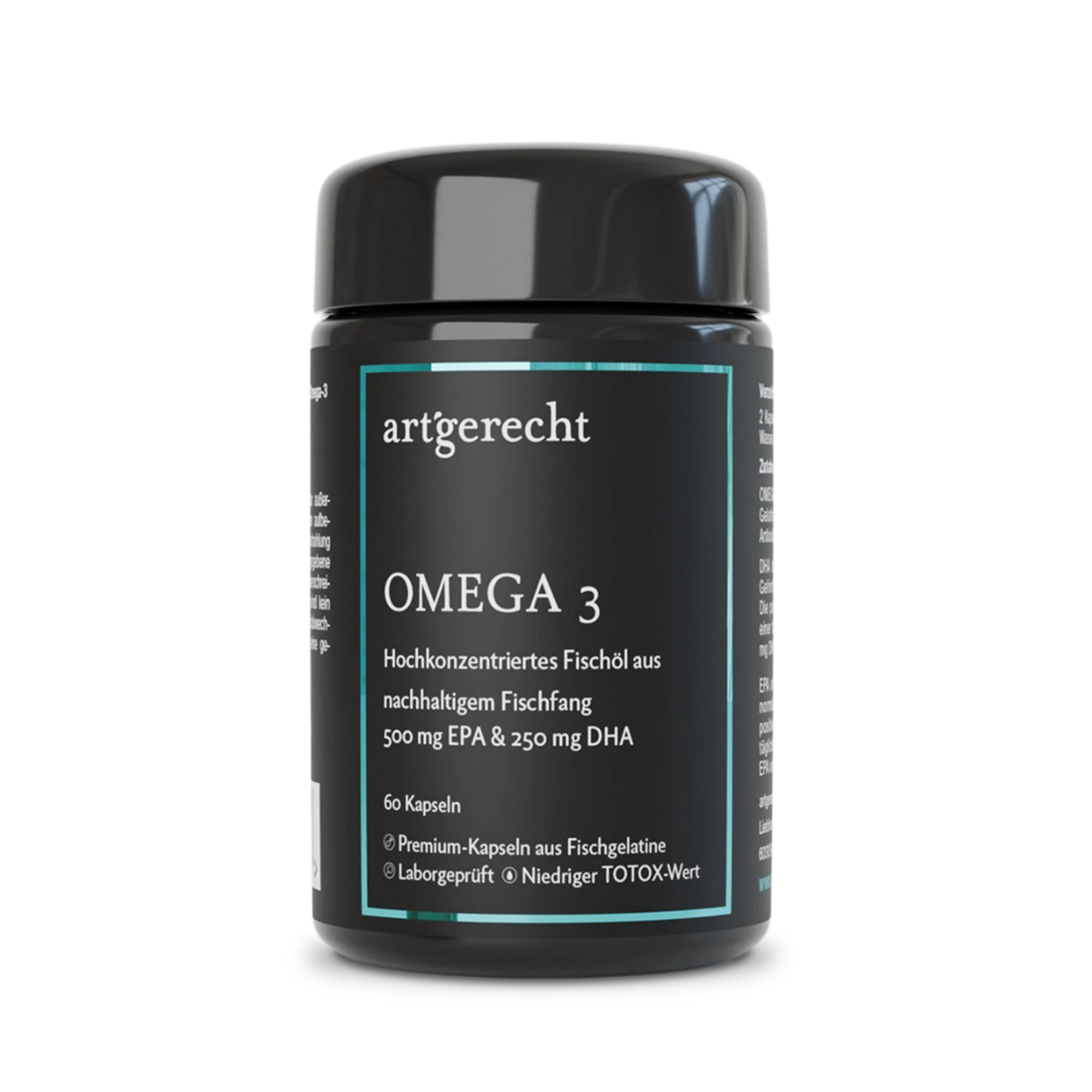
- Omega 3 fatty acids: these essential fats have anti inflammatory effects and can improve insulin sensitivity and fat burning, especially in combination with physical activity.
Conclusion: Boost metabolism sustainably
An active metabolism is not only a means of weight reduction but is also crucial for physical and mental performance, hormonal balance and long term health. Metabolic activity depends on numerous factors, including diet, exercise and muscle mass, sleep quality and stress level, as well as environmental influences such as temperature.
To specifically boost metabolism, a high protein and largely unprocessed diet is recommended. In addition, strength and interval training should be regularly integrated into everyday life, everyday movement should be used, sufficient sleep should be ensured and stress should be actively reduced.
A healthy metabolism is not a short term goal but an investment in long term well being that provides more energy, vitality and quality of life.
_______________________
References:
[1] Guyton, A. C., & Hall, J. E. (2016). Textbook of medical physiology (13th ed.). Elsevier Saunders.
[2] Saltiel, A. R., & Kahn, C. R. (2001). Insulin signaling and the regulation of glucose and lipid metabolism. Nature, 414(6865), 799–806.
[3] Wu, G. (2009). Amino acids: metabolism, functions, and nutrition. Amino Acids, 37(1), 1–17.
[4] Frayn, K. N. (2002). Fat as a fuel: emerging understanding of the adipose tissue–skeletal muscle axis. Acta Physiologica Scandinavica, 174(4), 389–396.
[5] Westerterp, K. R. (2004). Diet induced thermogenesis. Nutrition & Metabolism, 1(1), 5.
[6] Halton, T. L., & Hu, F. B. (2004). The effects of high protein diets on thermogenesis, satiety and weight loss: A critical review. Journal of the American College of Nutrition, 23(5), 373–385.
[7] Ludy, M. J., & Mattes, R. D. (2011). The effects of hedonically acceptable red pepper doses on thermogenesis and appetite. Physiology & Behavior, 102(3-4), 251–258.
[8] Josse, A. R., Sherriffs, S. S., Holwerda, A. M., & Phillips, S. M. (2010). Effects of capsinoid ingestion on energy expenditure and lipid oxidation at rest and during exercise. Nutrition & Metabolism, 7(1), 65.
[9] Hursel, R., & Westerterp-Plantenga, M. S. (2010). Thermogenic ingredients and body weight regulation. International Journal of Obesity, 34(4), 659–669.
[10] Wolfe, R. R. (2006). The underappreciated role of muscle in health and disease. The American Journal of Clinical Nutrition, 84(3), 475–482.
[11] LaForgia, J., Withers, R. T., & Gore, C. J. (2006). Effects of exercise intensity and duration on the excess post-exercise oxygen consumption. Journal of Sports Sciences, 24(12), 1247–1264.
[12] ONeill, E. (2024). How Non-Exercise Activity Thermogenesis (NEAT) Supports Weight Management. Verywell Health.
[13] Spiegel, K., Tasali, E., Penev, P., & Van Cauter, E. (2004). Brief communication: Sleep curtailment in healthy young men is associated with decreased leptin levels and increased hunger and appetite. Annals of Internal Medicine, 141(11), 846–850.
[14] McEwen, B. S. (1998). Protective and damaging effects of stress mediators. The New England Journal of Medicine, 338(3), 171–179.
[15] Van Marken Lichtenbelt, W. D., Vanhommerig, J. W., Smulders, N. M., Drossaerts, J. M. A. F. L., Kemerink, G. J., Bouvy, N. D., Schrauwen, P., & Teule, G. J. J. (2009). Cold-activated brown adipose tissue in healthy men. The New England Journal of Medicine, 360(15), 1500–1508.