The basics: Tapioca pearls
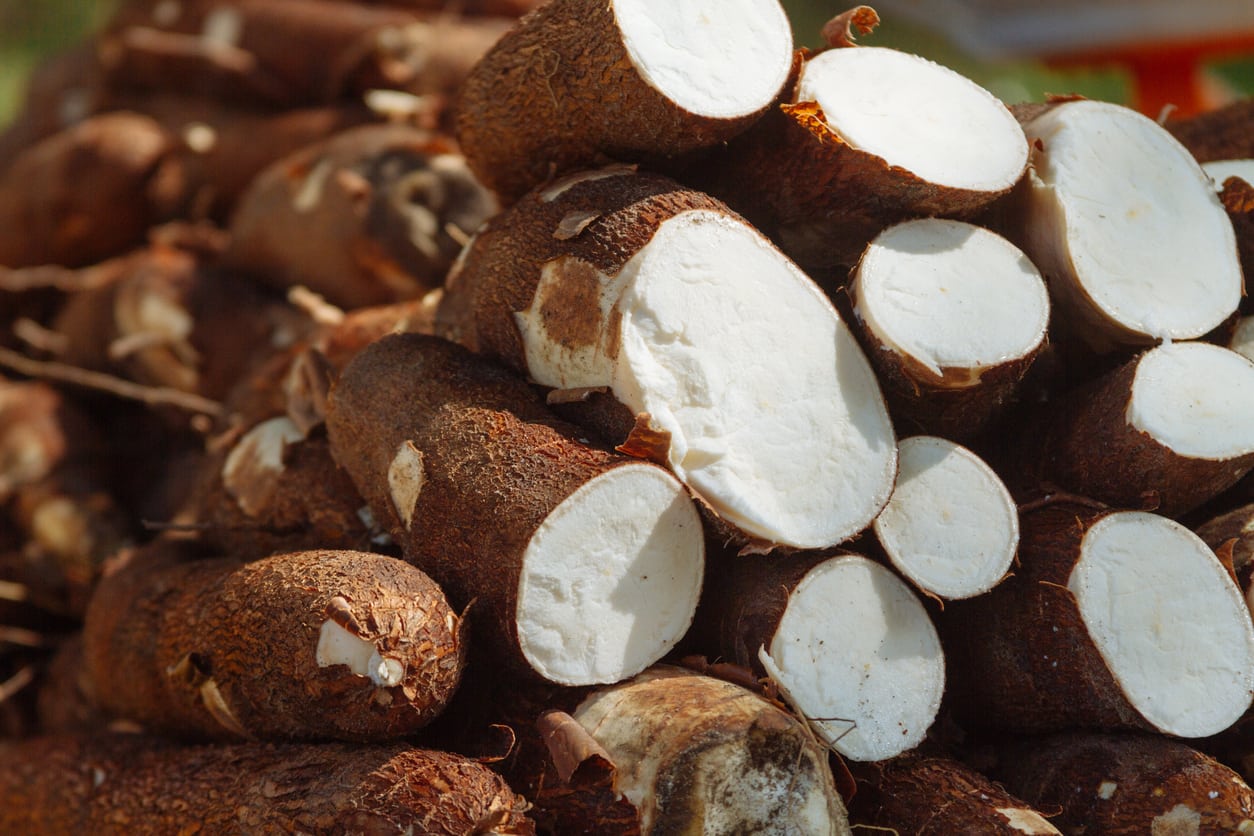
Tapioca pearls, also called “boba,” are made from the starch of the cassava (manioc) root. In production, cassava starch is mixed with water and sugar, shaped into balls and cooked several times. Binders such as guar gum help the pearls keep their typical chewy texture. Because of this process they mainly provide rapidly available carbohydrates, are gluten-free and vegan-friendly — but contain neither fiber nor relevant micronutrients.
Nutrition profile & calories
The calories and nutrients of a bubble tea vary widely with the recipe. Health.com lists for a 490 ml cup with brown sugar and tapioca pearls: ~270 kcal, 7 g fat, 45 g carbohydrates (of which 35.8 g added sugar) and 6 g protein. According to Livestrong, a 240 ml portion delivers about 120 kcal with 28 g carbohydrates and just 1.5 g fat. These differences show how strongly syrup choice, milk (or alt milk) and portion size influence the values.
Health aspects of the tea
Regardless of the pearls, the tea base itself can provide benefits. Green tea is rich in polyphenols like EGCG with antioxidant and anti-inflammatory effects. Black tea additionally supplies stimulating caffeine for focus and alertness. Even for bubble tea, experts recommend unsweetened tea as the base and choosing milk alternatives (oat, almond, soy) to reduce fat and add minerals such as calcium.
Digestion & side effects
A frequent criticism concerns digestive risk: the guar gum used in pearls can swell if the tapioca is not chewed thoroughly or if there is too little fluid in the gut, occasionally causing constipation. The high sugar content (sometimes more than the recommended daily intake) can also trigger blood sugar spikes, which over time raise the risk of obesity and type 2 diabetes.
Pros & cons at a glance
Pros:
- Antioxidants: Polyphenols in green and black tea protect cells and stimulate metabolism
- Gluten-free & vegan: Cassava pearls without animal ingredients, suitable for many diets
- Customizable: Superfood boosts like matcha, chia seeds or ginger possible
Cons:
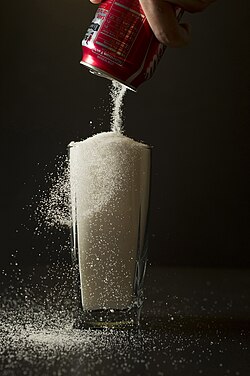
- High sugar: Up to 35.8 g added sugar per serving — more than the daily recommendation
- Constipation risk: Guar gum and unchewed boba can clump in the gut and cause issues
- Nutrient-poor: Tapioca pearls are >90% starch, with little fiber or vitamins
Tips for mindful enjoyment
- Portion control: Choose smaller sizes — many shops offer “half-size,” cutting calories and sugar by ~50%.
- Reduce sugar: Ask for 50–80% less syrup or choose alternatives like honey, agave or stevia.
- Milk choice: Use unsweetened milk alternatives (oat, almond or soy) instead of whole milk or cream to limit saturated fat.
- Chew the pearls: Take your time and chew tapioca thoroughly so it doesnt reach the intestine intact.
- DIY version: Cook tapioca at home, use quality unsweetened tea and sweeten to taste.
With these simple strategies, bubble tea can fit into a balanced lifestyle — as an occasional treat thats fun and, when prepared mindfully, can even offer health benefits.