Vitamin C: Benefits, Daily Needs & Food Sources
Vitamin C (ascorbic acid) is a water-soluble vitamin abundant in many fruits and vegetables. As humans cannot synthesize it, regular dietary intake is essential. Even small amounts (~10 mg/day) prevent severe deficiency.
What Vitamin C does
Its vital for collagen synthesis (skin, bones, cartilage, vessels, teeth), acts as a cofactor in neurotransmitter and hormone synthesis, enhances non-heme iron absorption, and helps block formation of harmful nitrosamines. As a powerful antioxidant, it neutralizes free radicals and protects cells.
In the immune system, vitamin C supports epithelial barrier function and concentrates in leukocytes, improving mobility, phagocytosis and pathogen killing. Deficiency weakens immunity; infections increase utilization and requirements.
- Collagen: structure for skin, bones, vessels, teeth
- Neurotransmitters: cofactor for synthesis (e.g., norepinephrine)
- Iron uptake: boosts absorption from plant foods
- Nitrosamines: helps inhibit formation
- Immunity: supports leukocyte functions
Daily needs
According to DGE guidance: ~110 mg/day for men and 95 mg/day for women; higher in pregnancy/lactation and for smokers.
| Group | mg/day |
|---|---|
| Men (19–65) | 110 |
| Women (19–65) | 95 |
| Pregnant | 105 |
| Lactating | 125 |
| Smokers (men) | 155 |
| Smokers (women) | 135 |
These levels are achievable with a mixed diet—e.g., half a red pepper plus a glass of orange juice ≈ 150 mg.
Top food sources
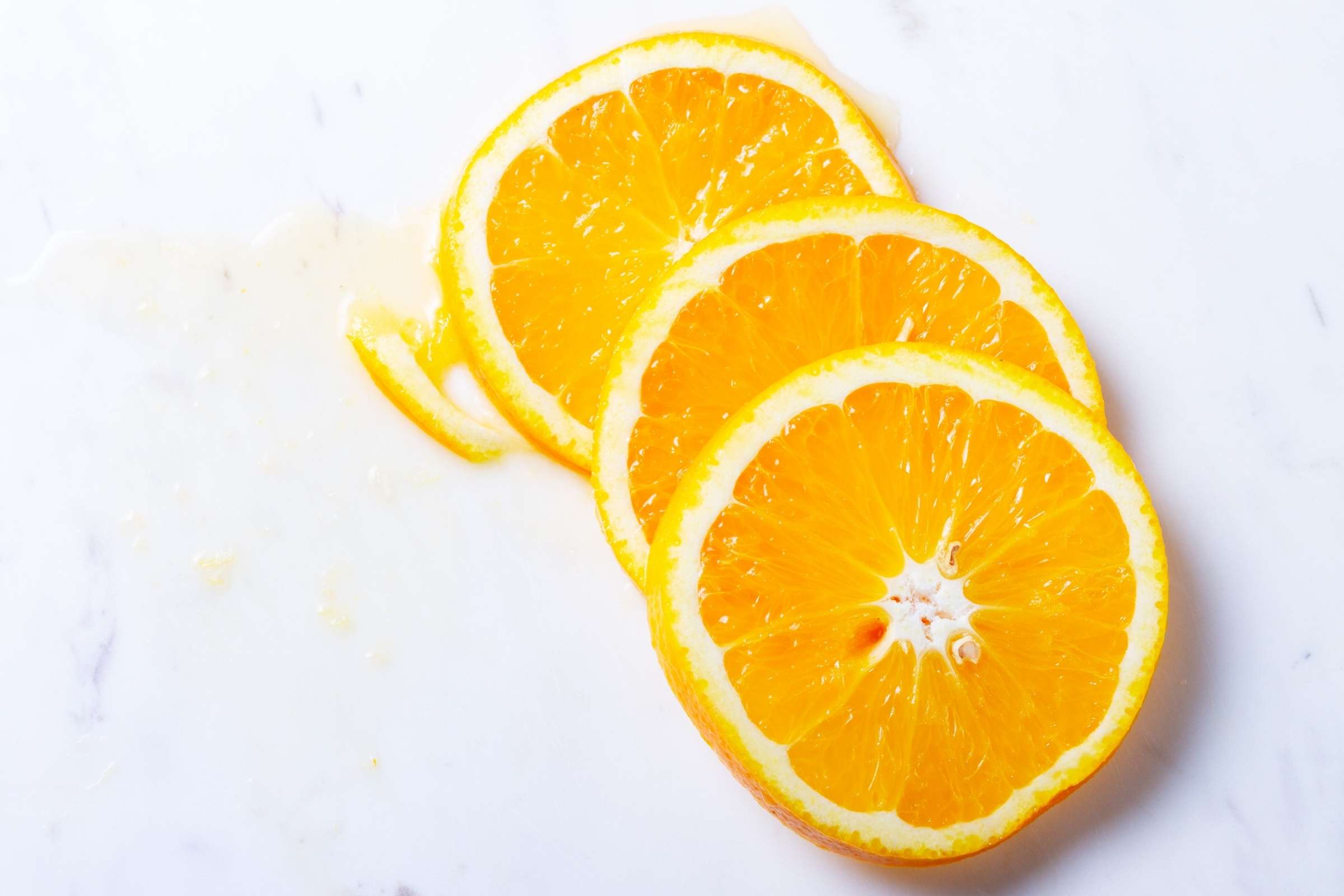
Best sources are fresh fruits and vegetables. Very high: sea buckthorn, rosehip, blackcurrant, hot peppers. Common high sources: red peppers, kiwi, raw broccoli, oranges, strawberries. Gentle cooking (steaming) preserves more vitamin C.
| Food | Vitamin C (mg/100 g) |
|---|---|
| Red pepper | 120 |
| Kiwi | 90 |
| Broccoli (raw) | 90 |
| Strawberries | 58 |
| Orange | 50 |
| Spinach (raw) | 28 |
Deficiency & scurvy
Severe deficiency causes scurvy (connective-tissue fragility, poor wound healing, bleeding gums, tooth loss). While rare in developed countries, low vitamin C can occur with poor diet, addiction or chronic disease; smokers have higher needs. Symptoms may include fatigue, weakness and impaired immunity.
Vitamin C & colds
Regular intake of ~100–200 mg/day supports immune function. Meta-analyses suggest routine supplementation doesnt markedly lower cold incidence in the general population, but under extreme physical stress (e.g., endurance events, cold exposure) it can halve incidence. During colds, 1–2 g/day for several days can shorten duration by ~8–14% on average.
Vitamin C & athletes
As an antioxidant, vitamin C may reduce markers of muscle damage. Under heavy training or cold stress, regular intake appears particularly beneficial for illness prevention.
Supplementation & safety
Being water-soluble, excess is excreted renally. Vitamin C is very safe; GI tolerance is typically the limiting factor. EFSA considers up to ~1,000 mg/day safe for general use; many keep 2–3 g/day as a practical upper bound for short periods. Long-term high doses arent usually needed outside special situations.
Bottom line
Vitamin C is indispensable for collagen, iron absorption, antioxidant defense and immune support. Aim for 100–200 mg/day from a produce-rich diet (think five portions daily). Supplement strategically during higher demands.
References: key reviews and DGE guidance on vitamin C, immunity, colds and safety.