Zinc demonstrably reduces illness duration: what does the science say?
Colds are among the most common infections worldwide and affect millions of people every year – physically as well as professionally. While many conventional remedies only fight the symptoms, an old, well-known micronutrient is increasingly moving into the focus of research: zinc. It is thought not only to strengthen the immune system but also to actively shorten the duration of illness.
So what have scientific studies actually found?
The role of zinc in the immune system
Zinc is an essential trace element that plays a central role in the human immune system. It supports immune cell function, has antioxidant effects and is involved in numerous enzymatic processes.
Overall, zinc is involved in more than 300 enzymatic reactions in the body and influences virtually all aspects of immune defence – from the barrier function of the skin to the development and function of T lymphocytes and the regulation of inflammatory responses. [1] In addition, zinc has antioxidant properties by supporting the activity of enzymes such as superoxide dismutase (SOD), which in turn neutralise free radicals and thus prevent cell damage. [2]
Studies show that in zinc deficiency, the activity of natural killer cells (NK cells), macrophages and neutrophil granulocytes is reduced – all key players in the immune response. [3] The formation and maturation of T cells in the thymus is also strongly zinc-dependent, which helps explain why zinc deficiency is associated with increased susceptibility to infection and dysregulated inflammation. [4]
In addition to modulating inflammatory processes, zinc also regulates cytokine-mediated communication between immune cells. Cytokines are signalling molecules of the immune system that transmit messages between cells. Zinc inhibits excessive production of pro-inflammatory cytokines such as TNF-α and IL-1β and at the same time promotes the formation of anti-inflammatory cytokines such as IL-10, thereby helping to balance the inflammatory response. [5]
These properties make zinc particularly relevant in infections of the upper respiratory tract, where an exaggerated immune response can cause more damage than the infection itself.
How does a zinc deficiency present itself?
A zinc deficiency leads to an increased susceptibility to bacterial and viral infections, as both innate and adaptive immune responses are impaired. The deficiency can manifest through a range of non-specific symptoms: frequent infections, delayed wound healing, skin problems, hair loss, taste disturbances, fatigue and reduced performance.
Risk groups for zinc deficiency include in particular pregnant and breastfeeding women due to their increased requirements, older adults due to reduced absorption and chronic diseases, people with gastrointestinal disorders such as Crohns disease or coeliac disease, as well as vegetarians and vegans, because plant phytates can inhibit zinc absorption. [6,7]
Strong physical or mental stress, regular alcohol consumption, heavy sweating and infections can also raise zinc requirements significantly. [8]
Scientific studies on the effectiveness of zinc in colds
Given zincs central role in the immune system, it is reasonable to suspect that targeted supplementation may not only prevent deficiency, but also positively influence acute infections such as colds. Especially in viral respiratory infections, zinc could, thanks to its immunomodulatory and anti-inflammatory properties, shorten the course of illness or alleviate it.
Meta-analysis by Hunter et al. 2021
A meta-analysis by Hunter et al. (2021) examined 28 randomised controlled trials with a total of 5,446 adult participants to assess the effectiveness of zinc in the prevention and treatment of acute viral respiratory tract infections – including colds. The results of this comprehensive analysis show clearly that zinc can significantly shorten the duration of a cold – in some cases by up to two days compared to the control group. [10]
The early start of supplementation proved especially effective: participants who began taking zinc within the first 24 hours after onset of symptoms experienced a noticeably faster recovery. In addition, the meta-analysis reported a reduction in symptom severity, including sore throat, nasal congestion, cough and general malaise. The analysis included different zinc forms such as zinc acetate, zinc gluconate and zinc sulphate – administered as lozenges, nasal sprays or oral preparations. [10]
Cochrane Review 2024
Another important piece of evidence for the potential benefits of zinc in colds comes from a recent Cochrane Review (2024), which analysed 34 randomised controlled trials with a total of 8,526 participants. The aim was to evaluate the effectiveness of zinc in the prevention and treatment of common cold illnesses. [9]
The review found that taking zinc supplements in cases of established colds can shorten the duration of illness by about two days on average. This effect was most pronounced when zinc was taken early. Many participants also reported faster relief of symptoms, including less severe sore throat, cough and general malaise. [9]
Further studies
A meta-analysis by Hemilä and Chalker investigated the effects of high-dose zinc acetate lozenges and found that they can reduce the duration of cold symptoms such as cough, sore throat and nasal congestion by up to 42%. However, the authors emphasised that effectiveness strongly depends on the zinc salt used and the dosage. [11]
A systematic review by Wang et al. analysed 20 randomised controlled trials and found that zinc supplementation also significantly shortened the duration of colds – by an average of about 2.25 days. [12]
Dosage and intake recommendations
The optimal zinc dosage to support the immune system and shorten the duration of colds depends on various factors such as age, sex, diet and health status. For adults, the German Nutrition Society (DGE) recommends a daily intake of around 7–10 mg zinc for women and 11–16 mg for men. In adults, zinc absorption is influenced by the phytate content of the diet. [13]
For best absorption, zinc should be taken on an empty stomach or with some time before or after meals, as certain dietary components such as phytates (e.g. in whole grains or legumes) reduce zinc bioavailability. These phytates bind zinc in the gastrointestinal tract so that it can no longer be absorbed by the body. Accordingly, the daily zinc requirement depends on phytate intake. [13]
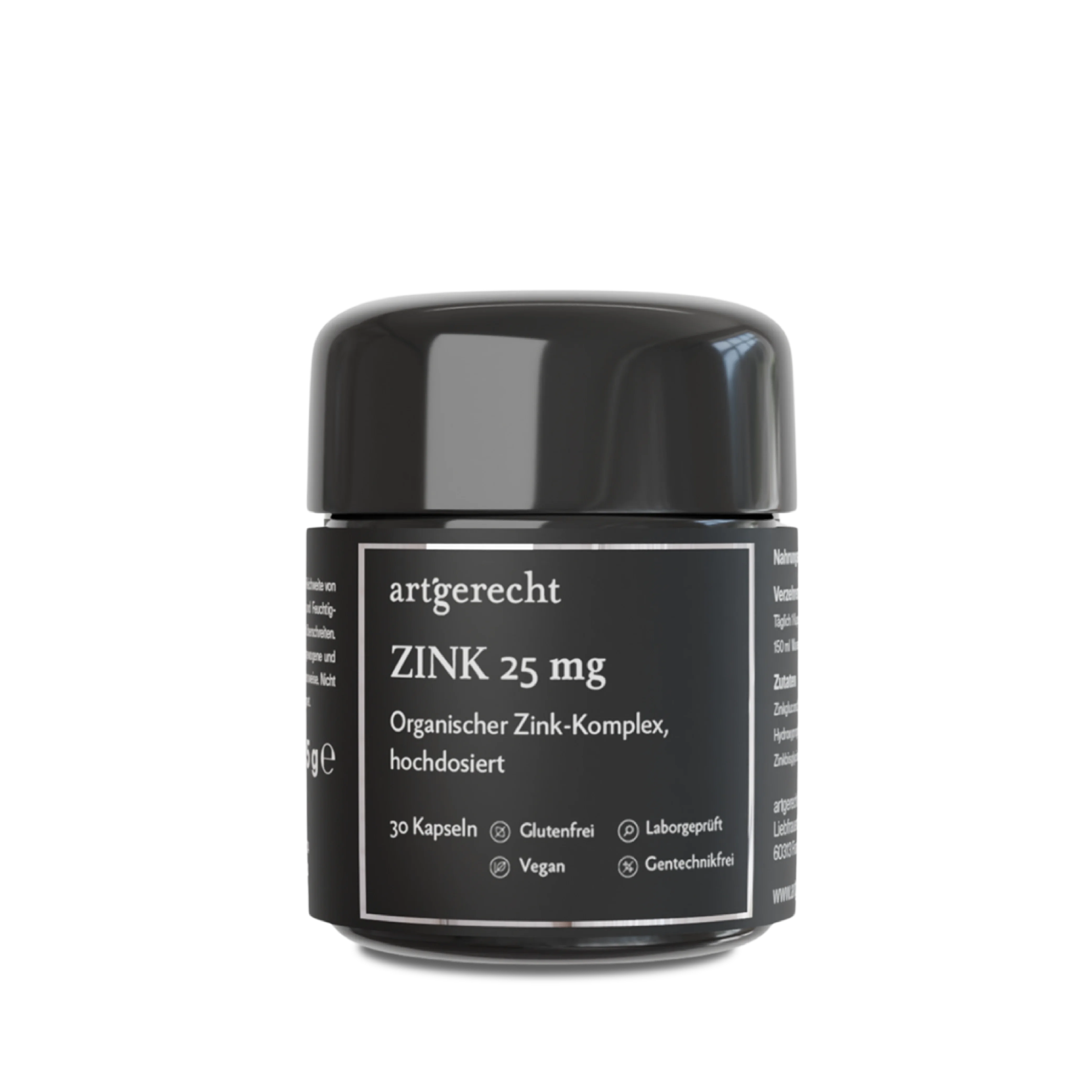
Anyone wishing to supplement zinc should look for high-quality products with transparent labelling and tested purity. In case of doubt, it is advisable to consult a healthcare professional.
Side effects and precautions
Zinc supplements are generally considered safe and well tolerated at recommended therapeutic doses. Nevertheless, unwanted effects can occur in sensitive individuals or with higher intakes. The most common acute side effects include gastrointestinal complaints such as nausea, abdominal pain, stomach cramps, diarrhoea and a metallic taste in the mouth. These symptoms occur particularly when zinc is taken on an empty stomach – taking it with or after a meal can significantly reduce this risk. [14,15]
With long-term high-dose intake of zinc (e.g. above 25 mg/day), mineral balance can be disturbed. Especially critical is the impairment of copper absorption, as zinc and copper compete for the same transport mechanisms in the intestine. Chronic copper deficiency may then lead to haematological changes (e.g. anaemia), reduced immune function and neurological symptoms. [16,17] Reduced iron absorption as well as alterations in lipid metabolism and in HDL-cholesterol levels have also been reported in connection with long-term zinc over-supplementation. [18,19]
The European Food Safety Authority (EFSA) therefore recommends that a total daily intake of 25 mg zinc from all sources (including food and supplements) should not be exceeded on a long-term basis, in order to avoid health risks. [20]
Conclusion
In numerous studies, zinc has proven to be an effective supporter of the immune system – particularly with regard to shortening the duration of cold illnesses. While many conventional remedies merely relieve symptoms, zinc, when correctly dosed and taken early, can demonstrably reduce illness duration. Its positive effects are based on several biological mechanisms: zinc strengthens immune cell function, acts as an antioxidant and helps to regulate inflammatory processes.
Zinc is a well-researched micronutrient whose targeted use in colds can be worthwhile. Key prerequisites are the choice of a high-quality preparation, adherence to recommended dosages and an appropriate intake regimen. In case of uncertainty, supplementation should always be discussed with a healthcare professional.
References
[1] Prasad, A. S. (2008). Zinc in human health: effect of zinc on immune cells. Molecular Medicine, 14(5-6), 353–357. https://pubmed.ncbi.nlm.nih.gov/18385818/
[2] Powell, S. R. (2000). The antioxidant properties of zinc. The Journal of Nutrition, 130(5S Suppl), 1447S–1454S. https://doi.org/10.1093/jn/130.5.1447S
[3] Wessels, I., & Rink, L. (2020). Micronutrients in autoimmune diseases: possible therapeutic benefits of zinc and vitamin D. Journal of Nutritional Biochemistry, 77, 108240. https://doi.org/10.1016/j.jnutbio.2019.108240
[4] Haase, H., & Rink, L. (2009). Functional significance of zinc-related signaling pathways in immune cells. Annual Review of Nutrition, 29, 133–152. https://doi.org/10.1146/annurev-nutr-033009-083312
[5] Bao, B., & Prasad, A. S. (2013). Zinc modulates mRNA levels of cytokines. American Journal of Clinical Nutrition, 97(2), 304–312. https://doi.org/10.3945/ajcn.112.049924
[6] Foster, M., & Samman, S. (2012). Vegetarian diets across the lifecycle: impact on zinc intake and status. Advances in Food and Nutrition Research, 65, 93–131.
[7] Foster, M., & Samman, S. (2012). Vegetarian diets across the lifecycle: impact on zinc intake and status. Advances in Food and Nutrition Research, 65, 93–131.
[8] Hambidge, K. M., Miller, L. V., & Westcott, J. E. (2011). Zinc bioavailability and homeostasis. The American Journal of Clinical Nutrition, 94(2), 286S–290S.
[9] Cochrane. (2024). Zinc for preventing and treating common cold symptoms. https://www.cochrane.org/de/CD014914/ARI_zink-zur-vorbeugung-und-behandlung-von-erkaltungskrankheiten
[10] Hunter, J., Arentz, S., Goldenberg, J., et al. (2021). Zinc for the prevention or treatment of acute viral respiratory tract infections in adults: a rapid systematic review and meta-analysis of randomised controlled trials. BMJ Open, 11(11), e047474. https://doi.org/10.1136/bmjopen-2020-047474
[11] Hemilä, H., & Chalker, E. (2015). The effectiveness of high dose zinc acetate lozenges on various common cold symptoms: a meta-analysis. BMC Family Practice, 16, 24. https://doi.org/10.1186/s12875-015-0237-6
[12] Wang, M. X., Win, S. S., & Pang, J. (2020). Zinc supplementation reduces common cold duration among healthy adults: a systematic review of randomized controlled trials with micronutrient supplementation. The American Journal of Tropical Medicine and Hygiene, 103(1), 86–99. https://doi.org/10.4269/ajtmh.19-0718
[13] German Nutrition Society (DGE). Selected questions and answers on zinc. https://www.dge.de/gesunde-ernaehrung/faq/ausgewaehlte-fragen-und-antworten-zu-zink/
[14] Institute of Medicine (US) Panel on Micronutrients. Zinc. In: Dietary Reference Intakes for Vitamin A, Vitamin K, Arsenic, Boron, etc. Washington (DC): National Academies Press (US); 2001.
[15] Fosmire, G. J. (1990). Zinc toxicity. The American Journal of Clinical Nutrition, 51(2), 225–227.
[16] DiSilvestro, R. A. (2000). Zinc in relation to copper and iron metabolism. The Journal of Nutrition, 130(5S Suppl), 1378S–1381S.
[17] Porter, K. G., et al. (1978). Anaemia and low serum copper during zinc therapy. BMJ, 2(6141), 1549–1551.
[18] Samman, S., et al. (1989). Effect of zinc supplementation on plasma lipoprotein cholesterol and triglycerides in humans. European Journal of Clinical Nutrition, 43(1), 45–48.
[19] Samman, S., et al. (1989). Effect of zinc supplementation on plasma lipoprotein cholesterol and triglycerides in humans. European Journal of Clinical Nutrition, 43(1), 45–48.
[20] EFSA Panel on Dietetic Products, Nutrition and Allergies (NDA). (2014). Scientific opinion on dietary reference values for zinc. EFSA Journal, 12(10), 3844.