
Amino Acids | Collagen
Amino acids and collagen form the structural foundation of numerous tissues and metabolic processes in the body. Our formulations are based on fermented amino acids, high-purity L-glutamine, and hydrolyzed collagen peptides with a defined molecular size, ensuring exceptional bioavailability. Careful selection of raw materials, comprehensive quality controls, and transparent processes make every formulation traceable and reliable.
Building blocks for structure, regeneration and performance
Amino acids are the building blocks of proteins and are therefore essential for the formation, maintenance and regeneration of tissue. Some must be obtained through diet, as the body cannot produce them itself. Collagen is the body’s most important structural protein and provides stability and elasticity to the skin, tendons, ligaments and bones. Certain amino acids, such as glycine and proline, are key components of collagen. A targeted supply supports structural integrity and regenerative processes throughout the body.
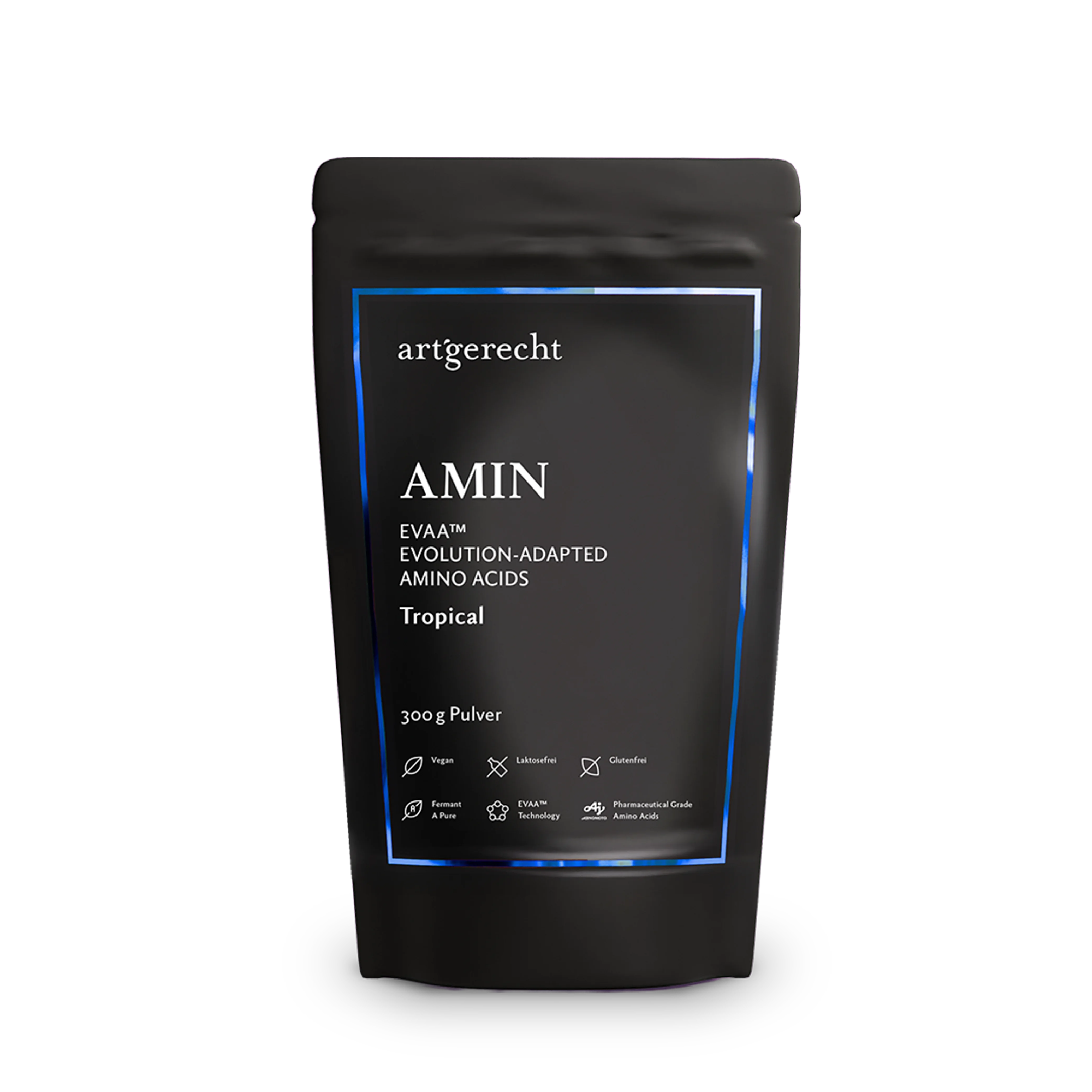
For your fast recovery
Unique patented amino acid blend (EVAA™) for your recovery
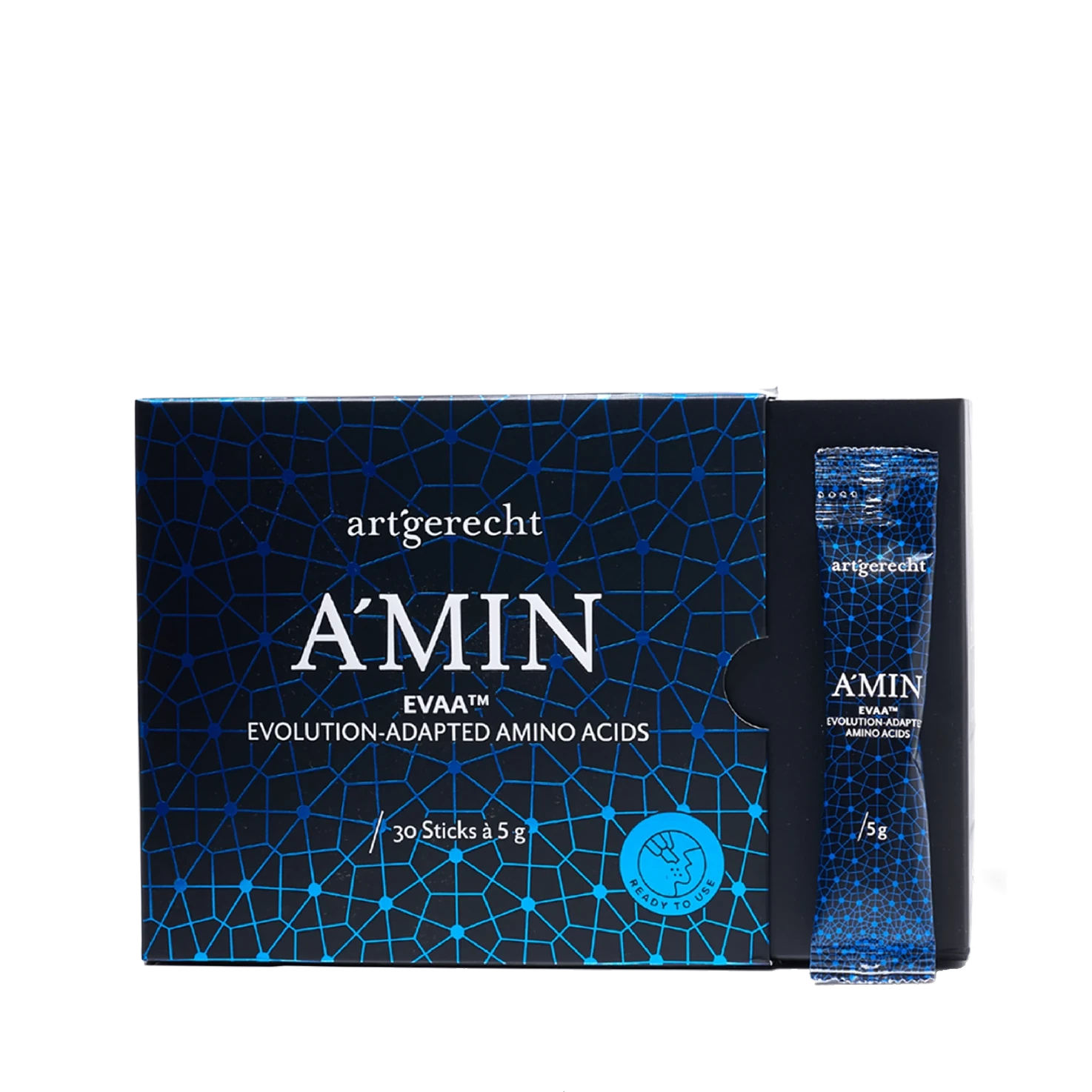
For your quick recovery
Unique patented amino acid mix (EVAA™) for your recovery
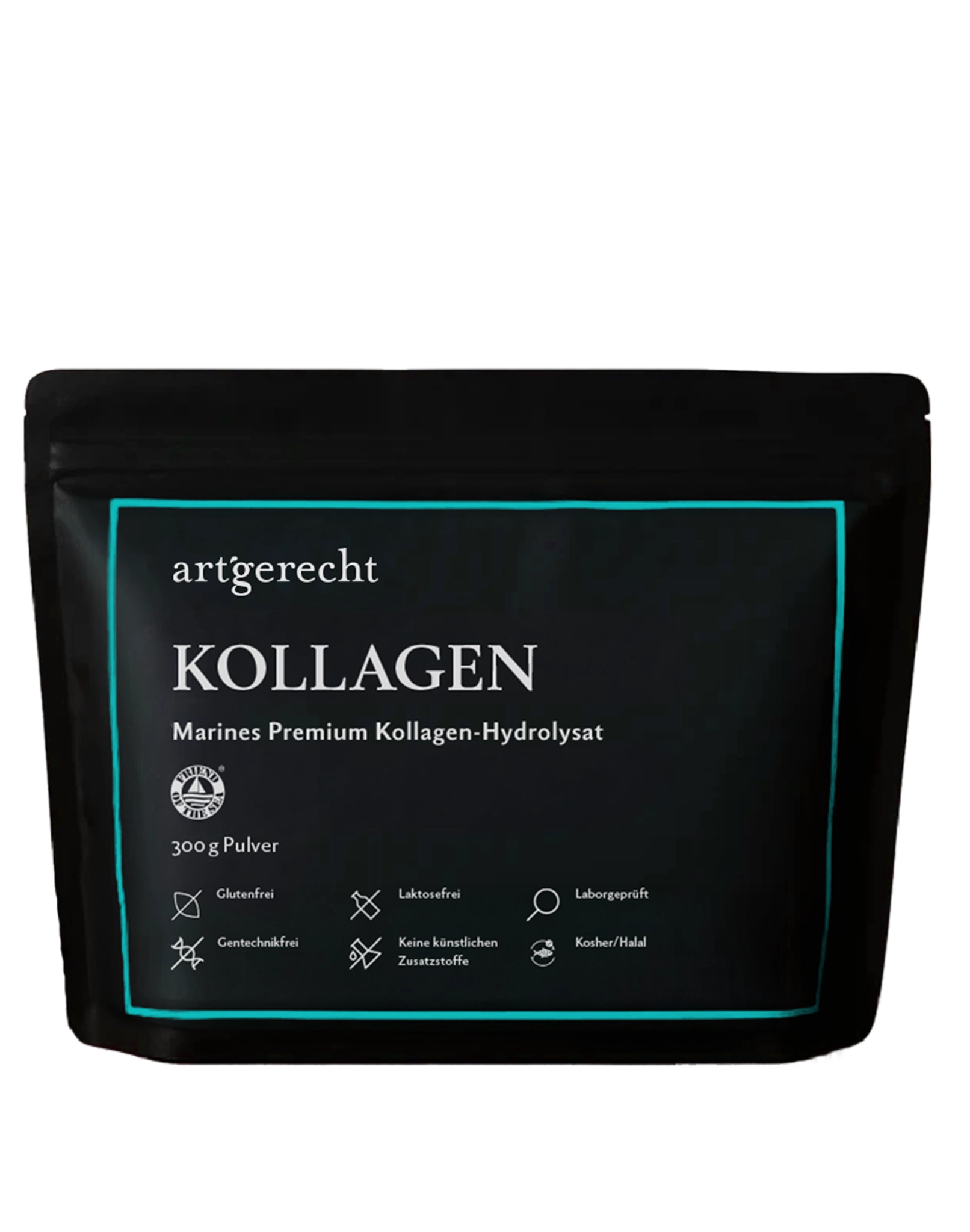
Holistic support for bones, joints, muscles & skin
For your well-being – inside and out
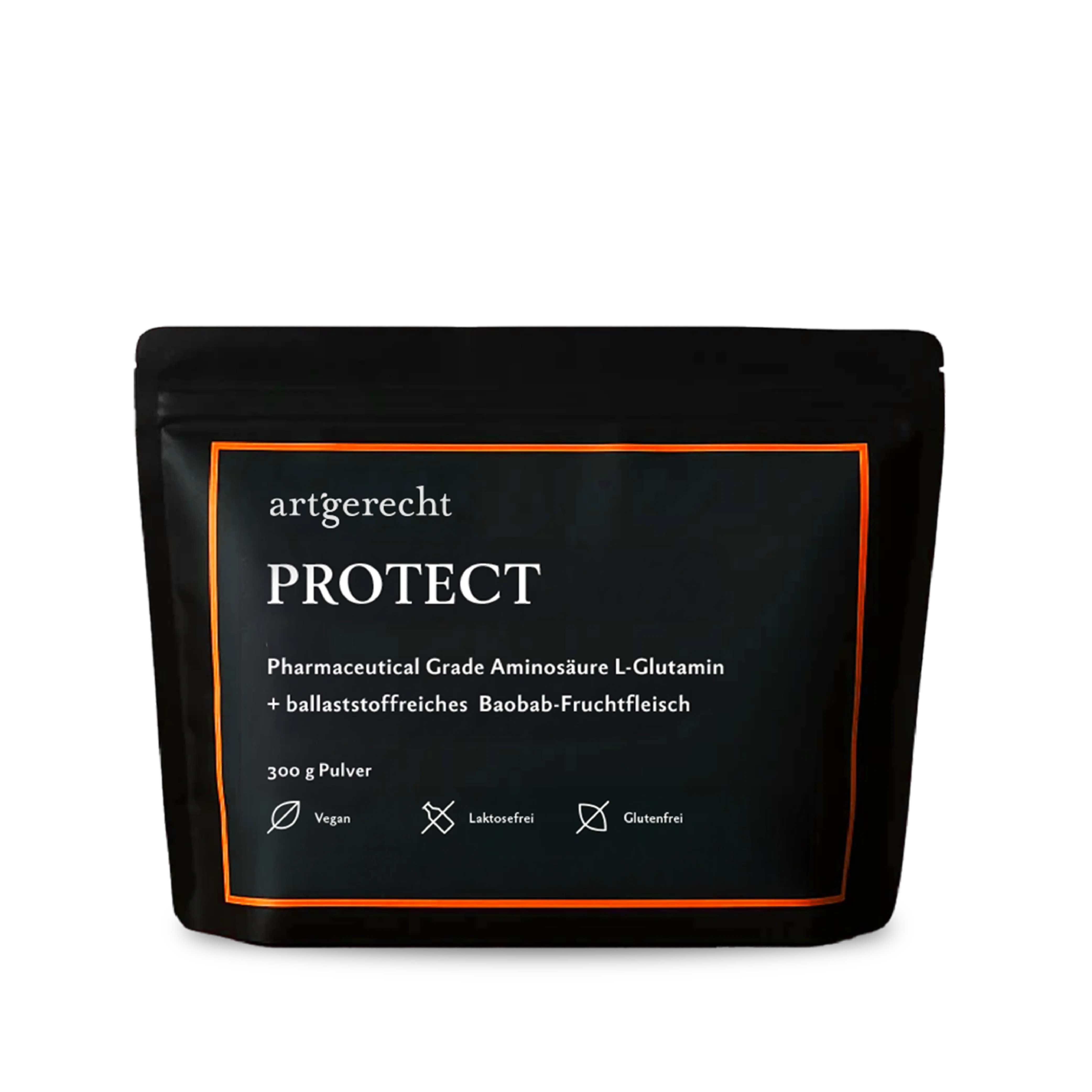
Your natural protection from within
L-Glutamine is the most common amino acid in our body and is essential for the center of our immune system – the gut.

Quality Without Compromise
Amino acids & collagen – structure, function and regeneration
Amino acids are the basic building blocks of all proteins in the body. They play a role in muscle building, tissue repair, enzyme function and numerous metabolic processes. A distinction is made between essential amino acids, which must be obtained from food, and non-essential amino acids, which the body can produce itself.
Collagen is the most abundant structural protein in the human body. It forms the framework of the skin, tendons, ligaments, cartilage and bones. As we age or when subjected to increased stress, the body’s own collagen production decreases, which can impair regeneration and structural stability.
Amino acids and collagen are closely linked: specific amino acids such as glycine, proline and hydroxyproline are characteristic components of collagen fibres. A targeted intake can therefore support structural and regenerative processes.
Background information on Amino Acids & Collagen
-
 What helps against hangovers? Recovery after alcoholWhy do you get a hangover and what really helps against it? In this article, you will learn scientifically based information about how alcohol affects...
 -
 Special: High Protein – Less Hunger and More Muscle?More protein, fewer cravings? In this special episode, we explore how high-protein nutrition influences satiety, explain the underlying biology, and s...
 -
 Taurine in everyday life – amino acid with versatile potentialTaurine isn’t just in energy drinks: it’s an endogenous compound with important roles. Learn what taurine really does in daily life — effects, opportu...
 -
 DEEP DIVE - CollagenCollagen is more than just a beauty booster. In this deep dive episode, you will find out how the key protein supports your skin, joints and connectiv...
 -
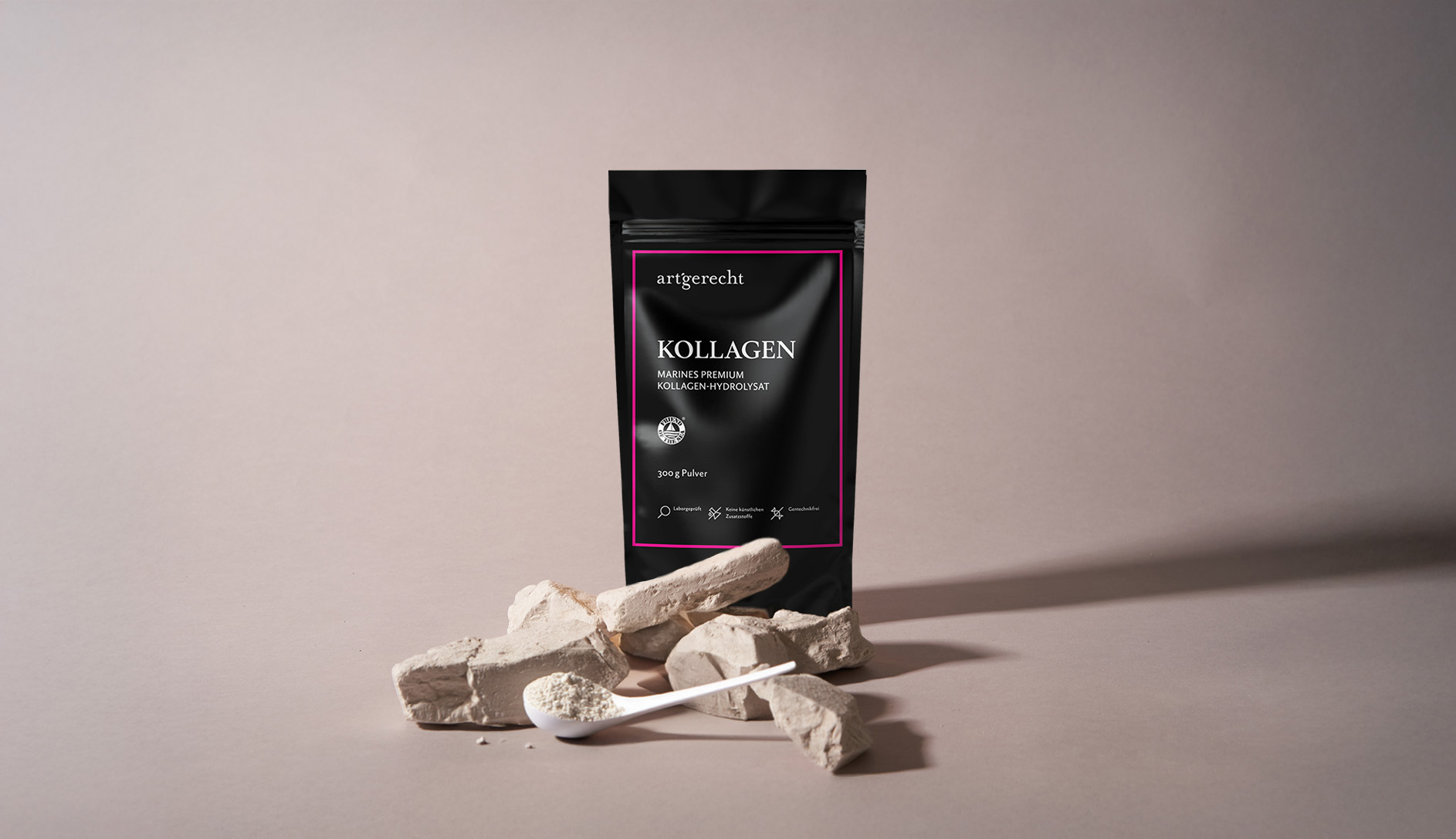 Collagen - the key protein for skin, joints and moreCollagen - more than just a promise of beauty Collagen is one of the most important proteins in our body - and yet many people only pay attention to i...
Amino acids for training and recovery
During exercise, the body’s need for certain amino acids increases significantly. They support muscle protein synthesis, help repair micro-tears in the tissue and play a part in the body’s adaptation processes following exercise. Essential amino acids, in particular, play a role in:
- Muscle building
- Recovery after intense exercise
- Maintenance of muscle mass
- Adaptation to training stimuli
An adequate supply of amino acids can help support training progress and optimise recovery times.


Strong joints & resilient bones
Collagen is a key component of cartilage, tendons, ligaments and the bone matrix. It provides tensile strength, elasticity and mechanical resilience. As a fibre-forming structural protein, it forms the stable framework that absorbs the stresses of everyday life and sport, and maintains the functional integrity of the musculoskeletal system.
As we age or when subjected to high levels of physical strain, the body’s natural production of collagen can decline. This alters the elasticity and resilience of tissue structures. A targeted supply of collagen building blocks can support structural stability and contribute to the long-term functionality of joints and bones.
Häufig gestellte Fragen zu Amino Acids & Collagen
What exactly are amino acids?
Amino acids are the building blocks of proteins and are therefore essential for muscle structure, enzymes, transport proteins and numerous metabolic processes. Whilst the body can produce some of them itself, essential amino acids must be obtained through the diet.
What is the difference between amino acids and collagen?
Amino acids are individual building blocks. Collagen is a structural protein composed of specific amino acids – primarily glycine, proline and hydroxyproline. Whilst amino acids have a wide range of functions in the body, collagen primarily serves structural purposes.
Who can particularly benefit from amino acids?
People who are physically active, those under high physical strain, or those in recovery phases can benefit from a targeted supply of amino acids. Even in older age, an adequate protein intake can help maintain muscle mass.
When is collagen particularly important?
Collagen plays an important role in joints, tendons, ligaments, bones and skin. As we get older, or when engaging in intensive physical activity, targeted support can be beneficial.
Can collagen have a visible effect on the skin?
Collagen is a key component of the skins structure. A targeted intake provides building blocks for the dermal framework and is being studied in relation to skin elasticity and firmness.
How long should you take collagen or amino acids?
Structural processes take time. It is common to take the product regularly over several weeks or months, as tissue remodelling and regeneration do not produce immediate results.
Can I combine amino acids and collagen?
Yes. As collagen itself is made up of amino acids, combining the two can be beneficial – particularly when there is an increased need due to exercise, recovery or age-related changes.
Can amino acids or collagen replace a protein-rich diet?
No. They complement a balanced, protein-rich diet, but do not replace it. An adequate overall protein intake remains the foundation for structural and regenerative processes.


✓ Go Green: CO2-neutraler Versand

✓ Zahle schnell & sicher

✓ 30 Tage Geld-zurück-Garantie

✓ Flexible Zahlungsoptionen

✓ Sichere Kreditkarten Zahlungen

✓ Bequem per Rechnung zahlen