Your fresh start in 2026: A cure for many resolutions – now with a 15% early bird discount!


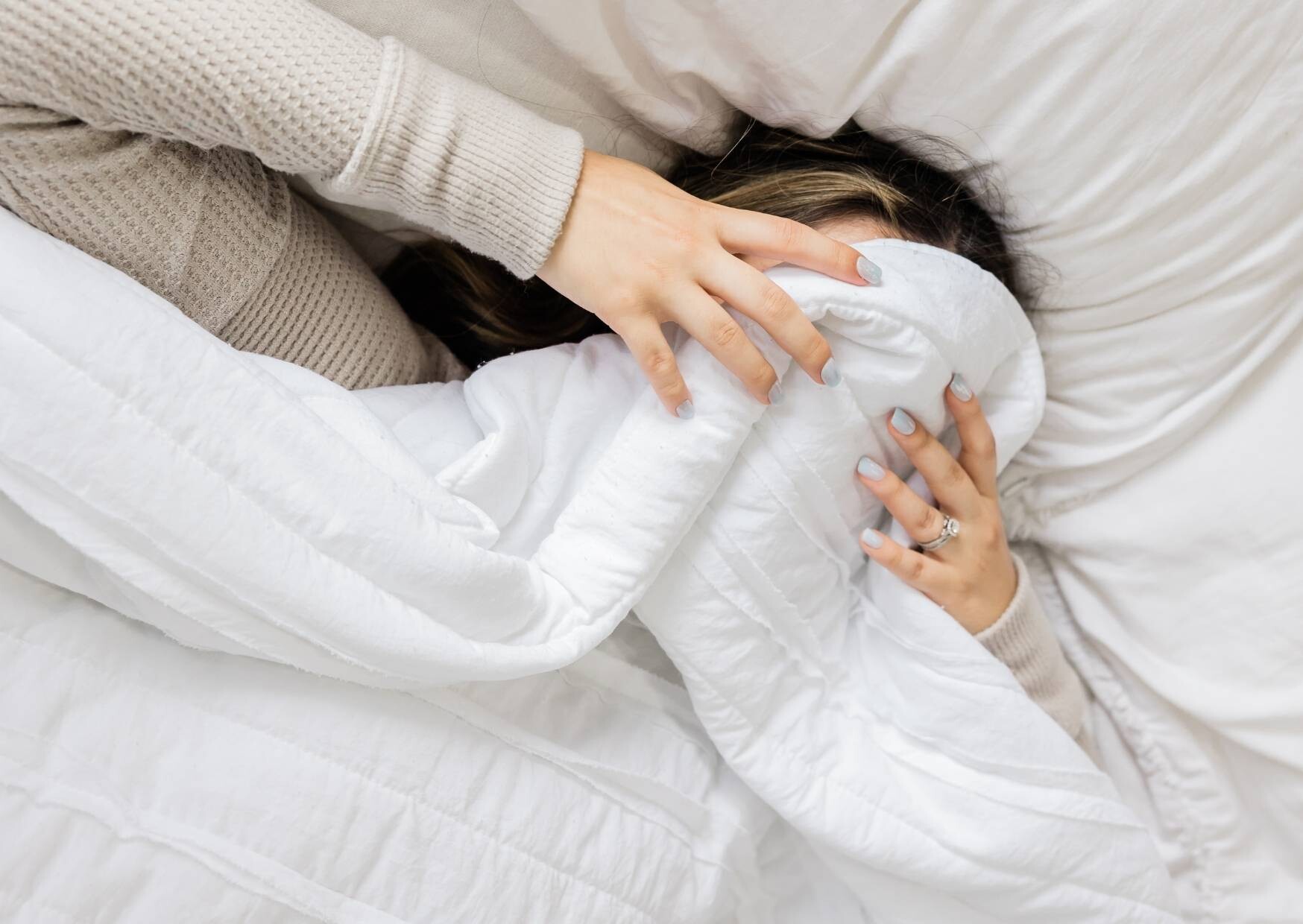
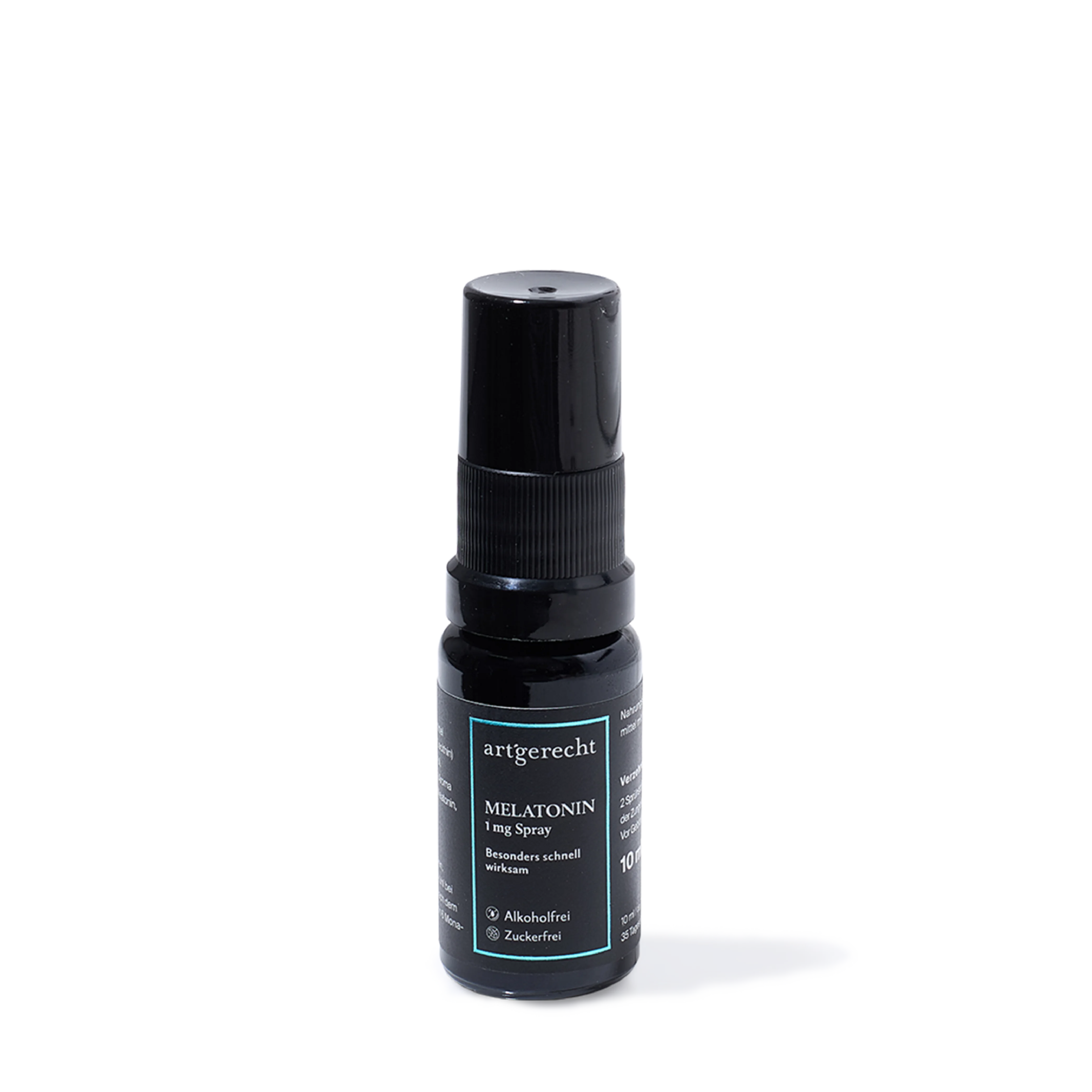
Sleep Under Strain: How to Overcome Sleep Deprivation
Sleep is the foundation of health, performance and well-being — yet many people sleep too little, too irregularly, or too poorly. A disrupted circadian rhythm and reduced melatonin output fuel a global sleep crisis. Heres why sleep is derailed, the risks it brings, and simple measures that help.
The global sleep crisis
In many industrialised countries, adults average <7 hours a night and experience more fragmented sleep. Social jetlag (weekday vs weekend shifts) and evening blue-light exposure suppress melatonin and delay sleep onset.
Consequences for body & mind
- Metabolism: higher risk of overweight, insulin resistance, type 2 diabetes
- Cardiovascular: hypertension, MI, stroke risks rise
- Mental health: more depression, anxiety, irritability
- Immunity: <6 h/night weakens defence
- Safety: accidents/errors comparable to alcohol
Circadian rhythm — the inner clock
The clock controls temperature, hormones, blood pressure and immune activity. Irregular timing and artificial light desynchronise the system, increasing chronic-disease risk.
Melatonin: the underrated sleep hormone
Produced in the pineal gland, melatonin rises with darkness. Ageing and menopausal changes lower levels; evening light, shift work and jetlag delay secretion.
Improving sleep quality: practical tips
- Light management: morning daylight; dim lights/screens at night
- Sleep hygiene: fixed bed/wake times; cool, dark, quiet room
- Movement: regular, moderate activity (not right before bed)
- Relaxation: breathwork, meditation, yoga — build a wind-down ritual
Takeaway
Stabilise your circadian rhythm and support melatonin through routine, light hygiene, movement and relaxation. Sleep is the base layer of health.
References: AASM/SRS (2015); CDC (2024); NHLBI (2022); Huang et al. (2020); NSF (2015, 2025); Mayo Clinic (2025); ScienceDaily (2025); News-Medical (2025).
 UV-protected glass
 Non-GMO
 Product listed on the Cologne List®
 Gluten-free
 Lactose-free
 Vegan
Vegan

 Lab-tested
 No artificial additives
 100% vegetarian fermentation