Baobab (African baobab): superfood with tradition and nutrient power
The baobab tree has nourished and supported communities across Africa for centuries. Today its fruit pulp stands out for fibre, vitamin C and minerals — making it a functional food with multiple benefits.
What is baobab?
Adansonia digitata can reach 25 m in height and live for millennia. In many regions, dried fruit pulp is dissolved in water or milk as a refreshing drink, sauce or traditional remedy for diarrhoea and fever. Around ten species exist, mainly in Africa and Madagascar.
Cultural meaning
- Leaves: used traditionally for GI complaints
- Seed oil: for skin issues (e.g., eczema)
- Fruit pulp: as nutrient and remedy
Nutrients of baobab fruit
Dietary fibre
- >80% fibre in pulp; rich in soluble pectin
- Supports digestion and satiety
Vitamins & minerals
- Very high vitamin C (~466 mg/100 g dry pulp) — up to 10× oranges
- Key minerals: potassium (~1240 mg/100 g), calcium (~309 mg/100 g), iron (~15 mg/100 g), zinc (~1.8 mg/100 g)
Antioxidants
- Polyphenols, carotenoids and flavanols — antioxidant and anti-inflammatory
Health-promoting effects
Soluble fibres (pectins) drive satiety and regularity; phenolics add antioxidant action.
1) Digestive support
- Prebiotic fibres foster a healthy microbiota
- Traditional use against diarrhoea
2) Blood-sugar modulation
- Human data indicate dampened post-meal glucose spikes
3) Immunity & skin
- Vitamin C supports immune defence and collagen
- Seed oil nourishes and helps regenerate skin
4) Heart & vessels
- Potassium helps lower blood pressure
- Polyphenols support vascular protection and cholesterol balance
Everyday use of baobab powder
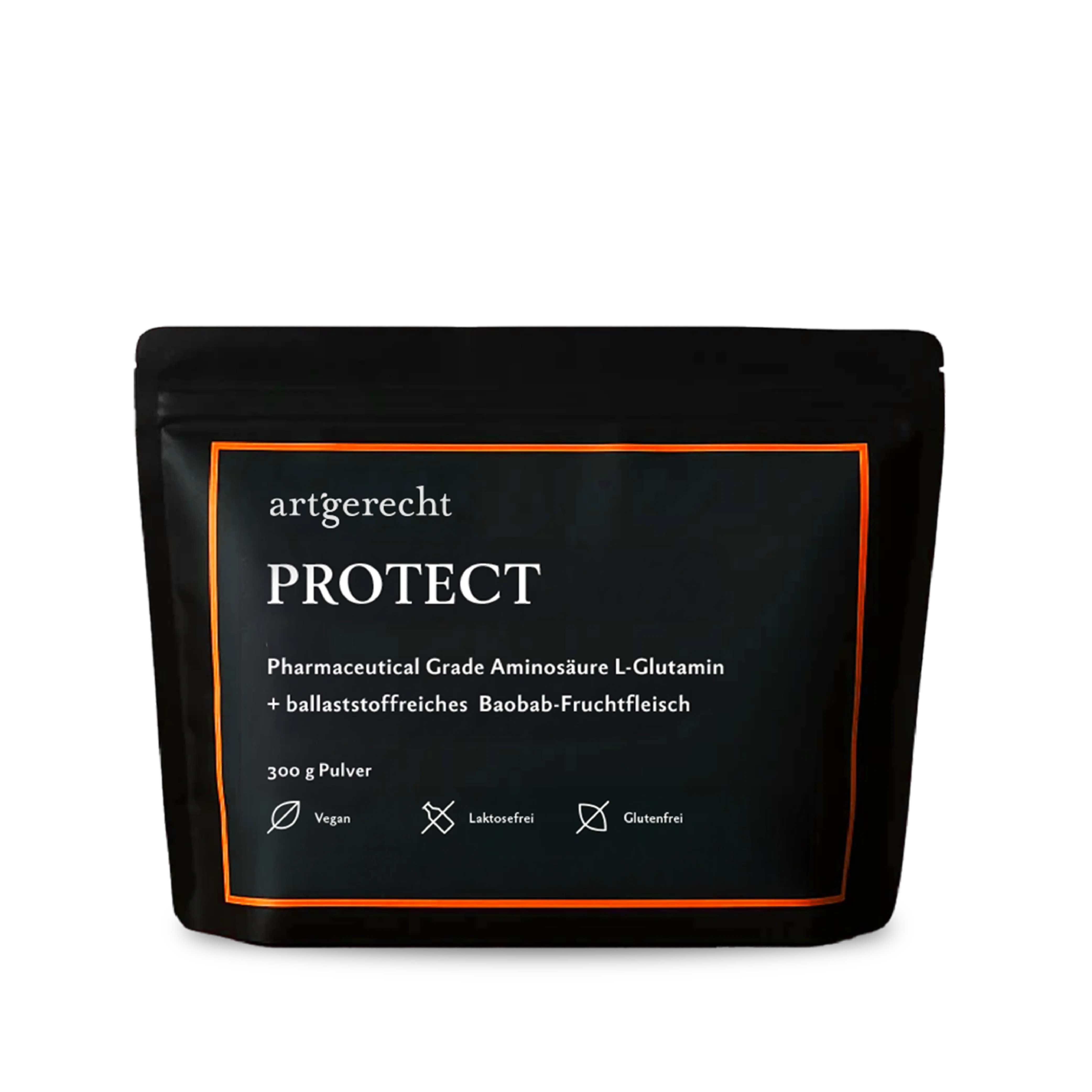
- 1–2 tsp daily in smoothies, muesli, yoghurt or juices
- Natural thickener for soups, dips, jams
Safety, side effects & sustainability
- GRAS (FDA, since 2009); no known side effects at common intakes
- Prefer fair-trade sources to support local communities and wild tree conservation
Conclusion
Baobab is a nutrient-dense superfruit. Its fibres, vitamin C and minerals — with antioxidant polyphenols — support digestion, immunity and metabolic health. As a daily addition, its a simple, sustainable way to boost nutrition.
References: De Caluwé et al. (2010); Chadare et al. (2009); Coe et al. (2013); Osman (2004); Ibrahim et al. (2024); FSAI (2015); plus popular science sources cited in the German original.