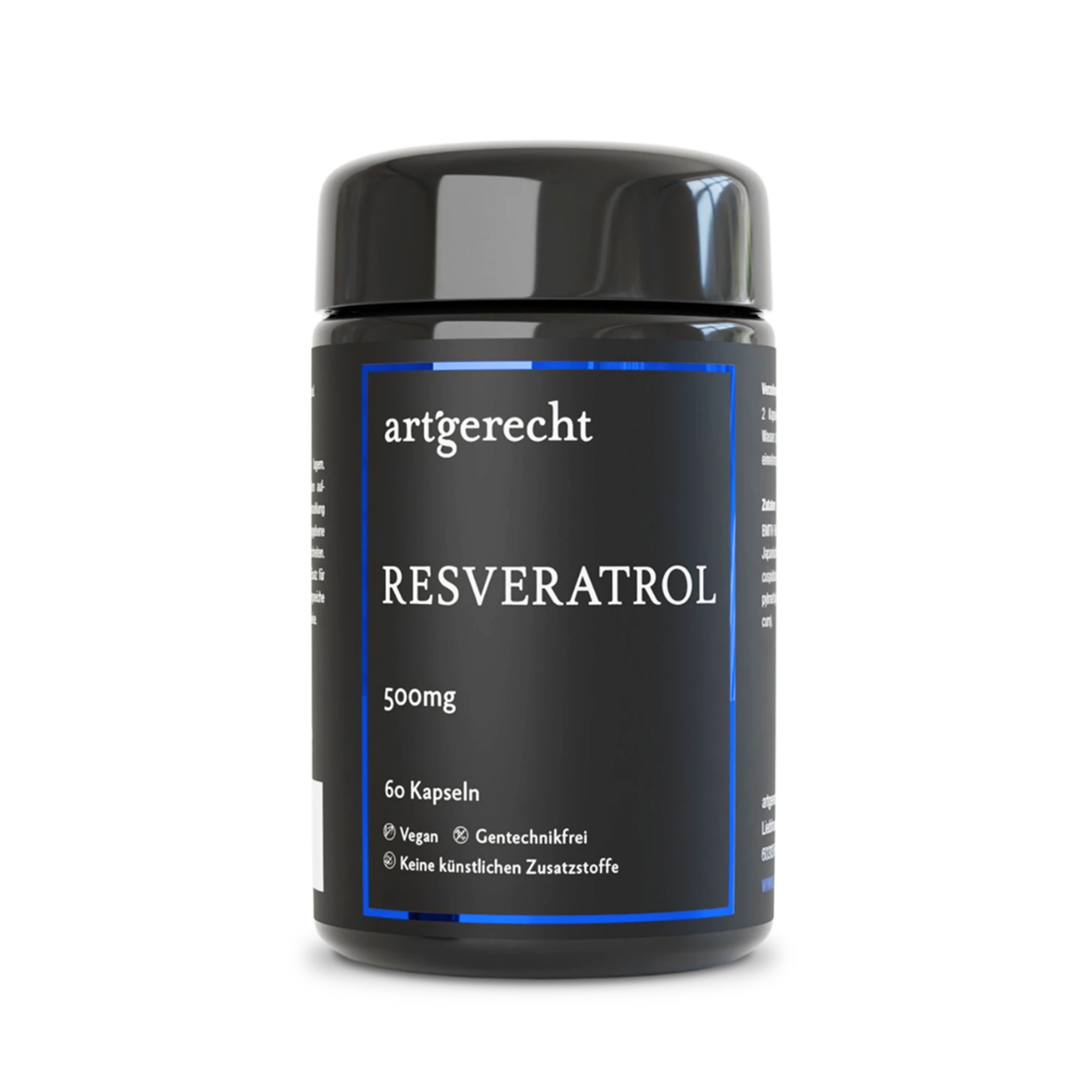
Resveratrol for the Skin: Effects, Usage and Evidence
Resveratrol is no longer a secret when it comes to anti-ageing and skin protection. The plant-derived active increasingly features in modern skincare. But how exactly does it work—and what does research say?
What is resveratrol and why does it matter for skin?
Resveratrol is a polyphenolic secondary plant compound found in red-grape skins, Japanese knotweed, berries and peanuts. In plants it acts like a shield against stressors; in humans, studies show antioxidant, anti-inflammatory and cyto-protective effects.
Because skin is our largest organ and front-line barrier, its especially exposed to UV radiation, pollution, smoke and oxidative stress—drivers of skin ageing, inflammation, pigment issues and collagen breakdown.
How resveratrol works—scientifically
Research shows resveratrol can neutralise free radicals, stimulate collagen, calm inflammation, fortify the barrier and support regeneration. It may also aid wound healing and reduce scarring. [2–4]
Antioxidant defence
Free radicals from UV, pollution or stress drive premature ageing by damaging lipids, proteins (collagen/elastin) and DNA—so-called oxidative stress. As a natural antioxidant, resveratrol neutralises these radicals and can, depending on formulation, reach deeper layers. It also up-regulates endogenous defences and DNA-repair pathways. [1]
Collagen support & elasticity
Resveratrol is linked to activation of sirtuins (e.g., SIRT1)—proteins that regulate repair and inflammation. This promotes collagen and elastin synthesis while inhibiting collagen-degrading enzymes—stabilising dermal structure.
In a clinical study, Farris et al. tested a night formula with resveratrol, vitamin E and baicalin. Regular use improved the skins appearance and produced measurable changes such as:
- thicker epidermis by ultrasound,
- fewer fine lines (especially peri-ocular),
- better firmness and elasticity.
The authors attribute effects to sirtuin activation and reduced collagenase activity. Irritation also decreased. [3]
Anti-inflammatory
Chronic low-grade inflammation accelerates ageing. Resveratrol down-regulates pro-inflammatory enzymes and cytokines (e.g., COX-2, IL-6), yielding calmer, less reactive skin and a stronger barrier. [4]
UV protection & pigmentation
By reducing UV-induced oxidative and DNA damage, resveratrol helps prevent photoageing; it also modulates melanin pathways to mitigate hyperpigmentation. [5]
Wound healing support
Preclinical data show enhanced cell migration and angiogenesis, plus tempered inflammation—speeding repair and reducing scar formation. [6]
Quick overview: key skin benefits
| Effect | Description |
| Antioxidant protection | Neutralises radicals; shields from oxidative damage |
| Fewer wrinkles | Smooths fine lines and visible ageing signs |
| Collagen support | Activates sirtuins; sustains dermal structure |
| Soothing & anti-inflammatory | Lowers COX-2/IL-6; reduces redness |
| UV & photoageing defence | Less DNA damage and dyschromia |
| Elasticity | Improves firmness and resilience |
| Wound healing | Supports regeneration; limits scarring |
How to use it in skincare
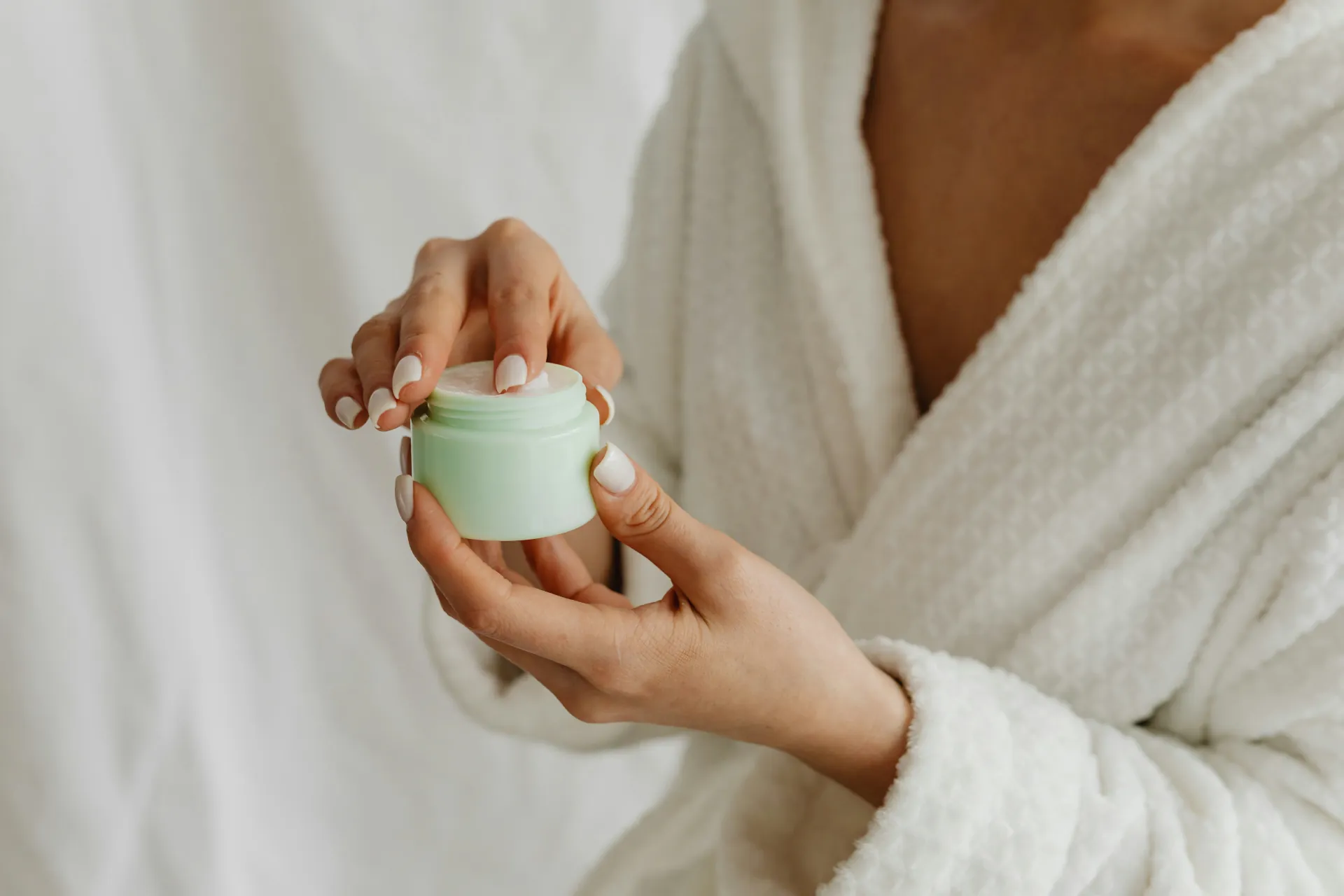
Common in night creams and serums. Liposomal/nano carriers can protect the molecule and improve penetration. Pairing with vitamins C & E boosts stability and efficacy. Best applied at night while the skin naturally repairs. [3]
What concentration works?
Evidence suggests at least 1% resveratrol for visible improvements in texture, elasticity and wrinkle depth; 2% emulsions performed particularly well in an 8-week double-blind study. [2]
Who benefits?
- Early signs of ageing (wrinkles, laxity)
- Sensitive/inflammatory-prone skin
- Pigment issues or UV-related damage
Takeaway
Resveratrol is a potent, well-tolerated skincare active. Robust evidence shows antioxidant, barrier-strengthening, anti-inflammatory and regenerative benefits. Aim for ≥1%—ideally combined with other antioxidants—for a natural, science-backed strategy against skin ageing.
Related article: Learn more about resveratrols broader health effects in this deep dive.
References
[1] Almeida PLC et al. (2022) Cosmetics 10(3):68.
[2] Brinke A., Janssens-Böcker C., Kerscher M. (2021) J Cosmet Dermatol Sci Appl 11:155–168.
[3] Farris P.K. et al. (2014) J Drugs Dermatol 13(12):1467–1472.
[4] Ratz-Łyko A., Arct J. (2019) J Cosmet Laser Ther 21(2):84–90.
[5] Berman B. et al. (2009) J Drugs Dermatol 8(3):235–238.
[6] Xue H. et al. (2021) Wound Repair Regen 29(2):267–276.