Resveratrol for Heart Health: Natural Shield for the Heart?
Cardiovascular disease is a leading global health burden. Resveratrol, a stilbene polyphenol, is credited with anti-inflammatory and vasoprotective properties. This article reviews cardiovascular effects, dietary sources, and common myths about red wine.
What is resveratrol?
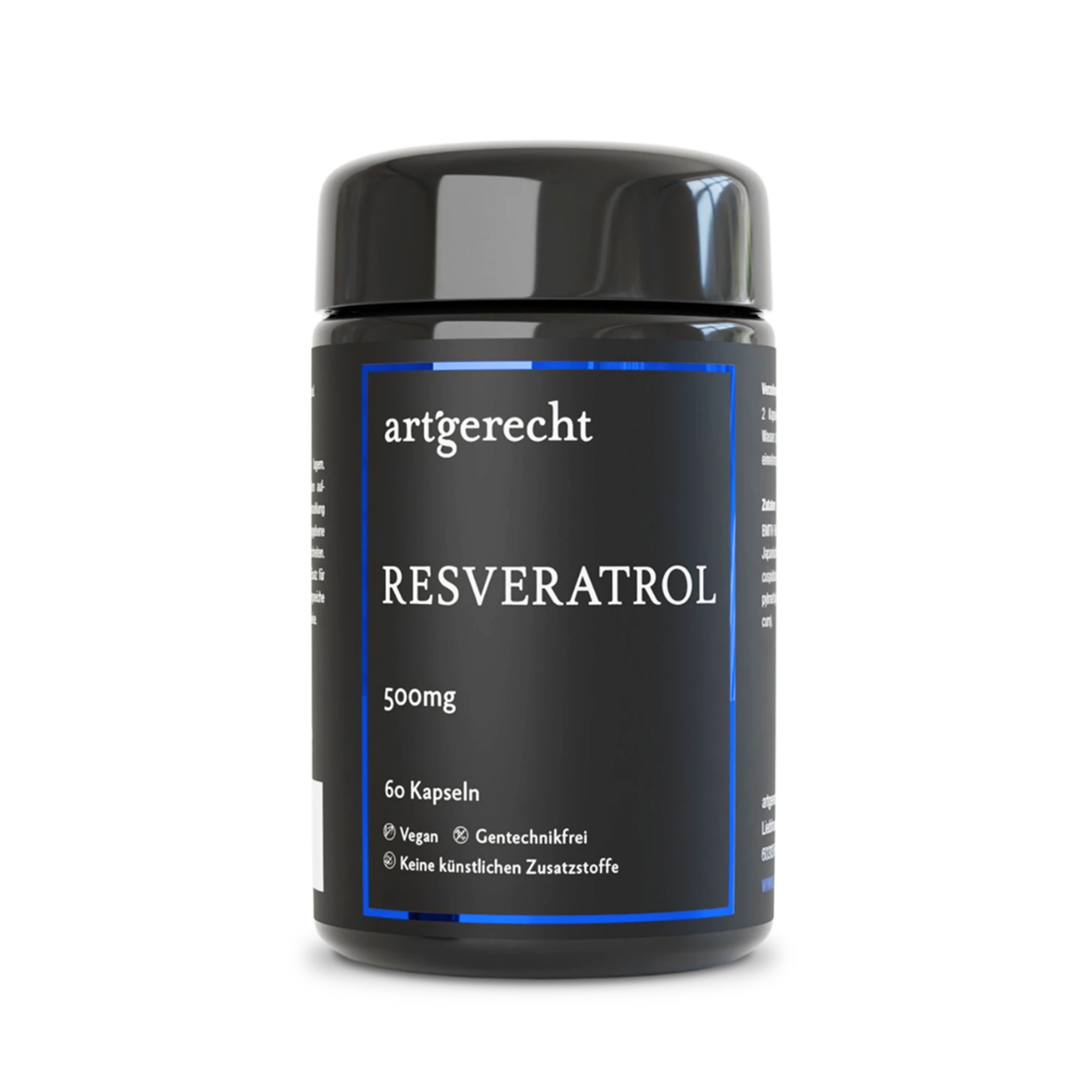
A plant defence compound found in red grapes, berries, peanuts and Japanese knotweed. Content varies widely. Red wine averages ~270 µg/100 mL (up to ~14 mg/L in outliers).
Polyphenols — including resveratrol — are abundant in fruit/veg, tea/coffee/cocoa, wine and spices; diets rich in polyphenols are associated with a lower CVD risk.
How might resveratrol support the heart?
1) Antioxidant & anti-inflammatory actions
- Neutralises free radicals; supports endogenous defences (e.g., SOD, glutathione)
- Down-regulates pro-inflammatory mediators (TNF-α, COX-2, IL-6; NF-κB signalling)
- Improves endothelial function via nitric-oxide (NO) bioavailability → vasodilation
2) Lipids
Evidence is mixed. A 2022 meta-analysis suggested reductions in total cholesterol, triglycerides and LDL — especially with ≥12 weeks and in type-2 diabetes; in metabolic syndrome mostly total cholesterol changed. Some trials found no lipid-profile changes.
3) Blood pressure
Human data show small systolic BP reductions, particularly at 150–300 mg/day and in diabetes/hypertension cohorts; overall evidence is heterogeneous.
Dietary sources
Levels depend on species, ripeness, region and storage. Fresh, minimally processed foods are best sources.
| Food / source | Typical resveratrol | Notes |
|---|---|---|
| Red/dark grapes | 0.16–3.54 mg/100 g | Highest in skins; cool climates favour synthesis |
| Blueberries, cranberries, mulberries | 0.03–0.18 mg/100 g | Fresh intake preserves polyphenols |
| Peanuts (with skin) | 0.02–0.26 mg/100 g | Skins particularly rich |
| Pistachios | 0.01–0.06 mg/100 g | Also provide other polyphenols |
| Red wine | 0.2–5.8 mg/L | Wide variety-/origin-dependent range |
| Dark chocolate / cocoa | 0.01–0.04 mg/100 g | Also rich in flavanols |
Myths around red wine
The idea that a daily glass acts as a “natural heart pill” is popular (the “French paradox”). In reality, wine contains little resveratrol; you would need unrealistic volumes to reach study doses (100–500 mg/day). Moreover, potential alcohol risks (hypertension, arrhythmias, liver disease, cancers) can outweigh benefits. Focus on non-alcoholic sources and overall heart-healthy habits.
Conclusion
Resveratrol is promising — antioxidant, anti-inflammatory and endothelial effects align with cardioprotection. Clinical outcomes vary by dose, duration and baseline health. Aim for a polyphenol-rich diet and a heart-healthy lifestyle rather than relying on a daily glass of wine.
References: Akbari et al. (2020); Ma et al. (2015); Berman et al. (2017); Gimblet et al. (2024); Godós et al. (2024); Tiwari (2024).