Your fresh start in 2026: A cure for many resolutions – now with a 15% early bird discount!




Menopause – When Body and Mind Go Through Change
Menopause is not a disease, yet many women experience physical and emotional turbulence during this phase. Symptoms such as sleep problems, hot flashes, mood swings or brain fog can significantly affect everyday life. Knowledge is the first step toward more balance and self-determination.
In our article “Menopause is not a disease” you will find a comprehensive overview of the biological basics, phases and hormonal changes. In this piece, we dive deeper into topics that frequently raise questions — such as sleep disturbances, nutrition, stress management and natural support.
Recognizing and taking symptoms seriously
While some women pass through menopause almost symptom-free, others experience a multitude of complaints at the same time. Particularly common are:
| Physical | Emotional and mental |
|---|---|
| Hot flashes, night sweats | Mood swings, low mood |
| Weight gain, muscle and joint pain | Brain fog, concentration problems |
| Loss of libido, vaginal dryness | Irritability, sleep problems |
Onset is often gradual — an irregular cycle, water retention or the feeling of “not quite being yourself.” Many of these complaints are directly linked to falling hormone levels, with estrogen and progesterone playing central roles.
Sleep disturbances in menopause — an underestimated burden
Insomnia is among the most frequent and burdensome complaints in menopause. Declining progesterone can reduce its calming effect on the central nervous system. At the same time, low estrogen affects thermoregulation, which promotes night sweats.
What really helps:
- Regular evening routines — no phone, calming rituals
- Optimize the bedroom — 16 to 18 °C, dark, quiet environment
- Magnesium and herbal support such as valerian or passionflower
- Melatonin to support the natural sleep–wake rhythm
Micronutrients such as B-vitamins, ashwagandha or other adaptogens can also contribute to sleep quality.
Cortisol, stress and progesterone — the hormonal puzzle
Chronic stress acts like an accelerant during menopause. It raises cortisol levels, which in turn can lead to a relative progesterone deficiency. This effect is described in the literature as “pregnenolone steal,” where the body prioritizes stress response at the expense of hormone balance.
Counteract with mindfulness:
- Daily movement — e.g., walking, yoga, strength training
- Relaxation practices — breathing techniques or meditation
- Maintain social connections — they promote oxytocin, the “bonding hormone”
These measures not only lower cortisol levels, they also support emotional stability — a key factor in this life stage.
Nutrition in menopause — more than counting calories
The right nutrition can noticeably ease menopausal complaints. It is especially important to reduce inflammation, strengthen the microbiome and integrate phytoestrogens.
| Focus | Example foods |
|---|---|
| Omega-3 fatty acids | Flaxseed, walnuts, fatty fish |
| Phytoestrogens | Flaxseed, tofu, lentils |
| Fiber & prebiotics | Vegetables, legumes, fermented foods |
| Anti-inflammatory | Turmeric, berries, leafy greens |
A well-supported gut is also valuable hormonally, as it can recycle estrogens and influence neurotransmitters.
Mental resilience and social connection
Often overlooked yet enormously important — social bonds are a real protective factor in menopause. Studies show that regular exchange with other women not only lowers perceived stress but can even reduce inflammatory markers in the body.
Whether walks with friends, a womens circle or intentional conversations with a partner — social support is more than “nice to have,” it has measurable hormonal effects.
Conclusion — balance instead of control
Menopause challenges body and soul, but it is also an invitation to re-orient. Those who become mindful early, get informed, care for sleep and counteract with nutrition and targeted support can not only get through this phase but actively shape it.
Want more background? Read our article:
“Menopause is not a disease — what women and men should know,” which also covers male menopause, phase progression and hormone charts.
References
- Freeman, E. W., Sammel, M. D., Lin, H., & Nelson, D. B. (2006). Associations of hormones and menopausal status with depressed mood in women with no history of depression. Archives of General Psychiatry, 63(4), 375–382. Link
- Chrousos, G. P. (2009). Stress and disorders of the stress system. Nature Reviews Endocrinology, 5(7), 374–381. Link
- Knight, D. C., & Eden, J. A. (1996). A review of the clinical effects of phytoestrogens. Obstetrical & Gynecological Survey, 51(5), 306–313. Link
- Baker, F. C., De Zambotti, M., Colrain, I. M., & Bei, B. (2018). Sleep problems during the menopausal transition: Prevalence, impact, and management challenges. Nature and Science of Sleep, 10, 73–95. Link
- Chung, H. F., Pandeya, N., Dobson, A. J., et al. (2018). The role of sleep difficulties in the vasomotor menopausal symptoms and depressed mood relationships: An international pooled analysis. Psychological Medicine, 48(15), 2460–2470. Link
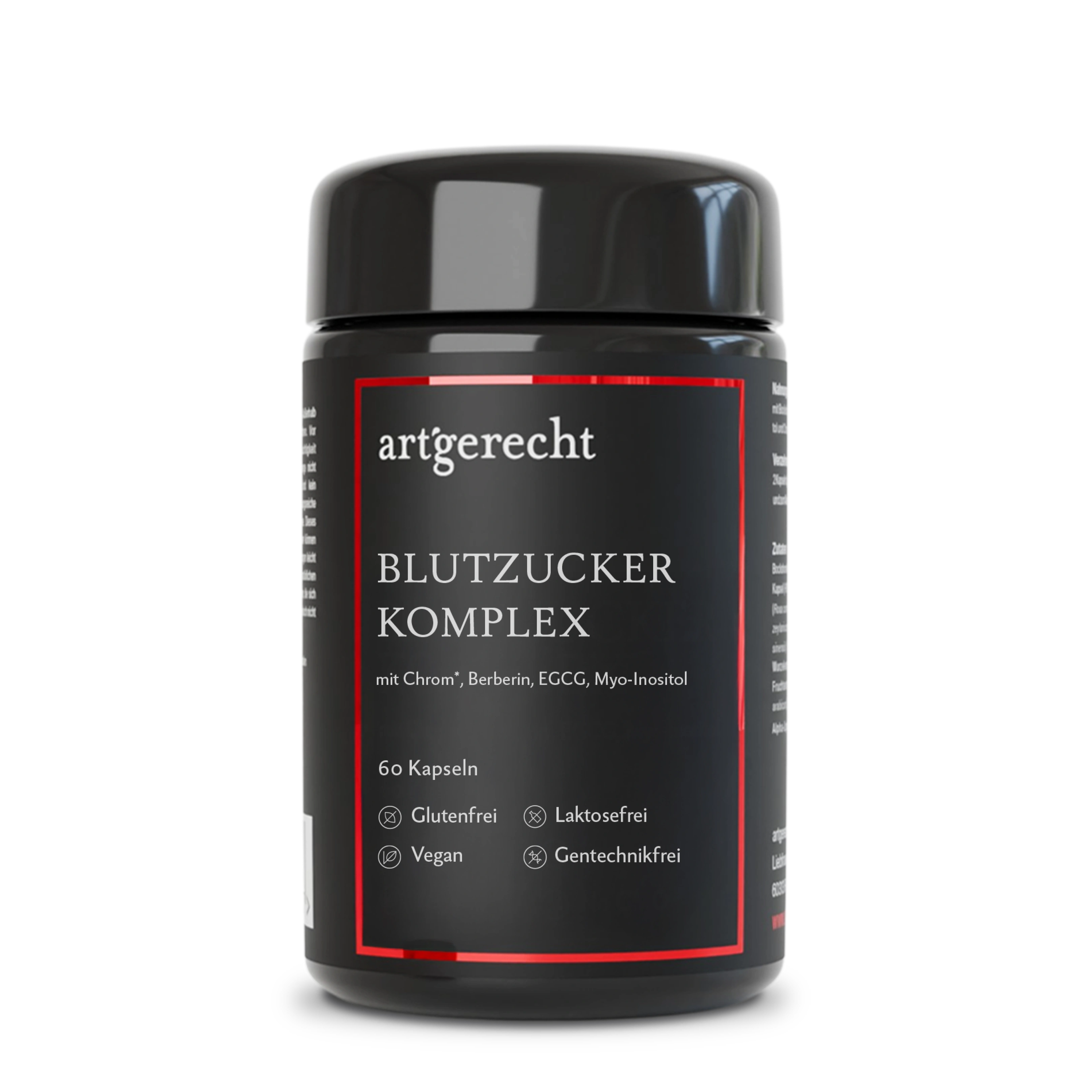
 UV-protected glass
 Non-GMO
 Product listed on the Cologne List®
 Gluten-free
 Lactose-free
 Vegan
Vegan

 Lab-tested
 No artificial additives
 100% vegetarian fermentation