
-
 DE
DE



Intestinal Fermentation Disorder – Causes and Treatment
An intestinal fermentation disorder refers to abnormal microbial fermentation in the gut, causing excessive gas production, bloating, abdominal pain, and digestive discomfort.
Things worth knowing about "Intestinal Fermentation Disorder"
An intestinal fermentation disorder refers to abnormal microbial fermentation in the gut, causing excessive gas production, bloating, abdominal pain, and digestive discomfort.
What is an Intestinal Fermentation Disorder?
An intestinal fermentation disorder is a condition in which the normal microbial breakdown of undigested food components in the gut becomes disrupted. Under healthy conditions, gut bacteria ferment dietary fiber and certain carbohydrates in a controlled manner, producing beneficial short-chain fatty acids and moderate amounts of gas. When fermentation goes wrong, excessive gas accumulates, harmful metabolites are produced, and the digestive process is significantly disturbed. This dysfunction can occur in both the small intestine and the large intestine.
Causes
Several factors can lead to an intestinal fermentation disorder:
- Gut dysbiosis: An imbalance in the gut microbiome, with an overgrowth of gas-producing bacteria and a reduction in beneficial microorganisms.
- SIBO (Small Intestinal Bacterial Overgrowth): An abnormal increase in bacterial populations in the small intestine, causing premature and excessive fermentation of food before it reaches the colon.
- Carbohydrate malabsorption: Conditions such as lactose intolerance, fructose malabsorption, or gluten sensitivity result in unabsorbed sugars reaching the colon, where they are fermented excessively.
- Enzyme deficiency: Insufficient digestive enzymes (e.g., lactase, amylase) impair the proper breakdown of food, leaving more substrate for bacterial fermentation.
- High-FODMAP diet in sensitive individuals: Fermentable oligosaccharides, disaccharides, monosaccharides, and polyols can trigger excessive fermentation in people with a disrupted gut microbiome.
- Motility disorders: Slowed intestinal transit, as seen in irritable bowel syndrome (IBS) or post-surgical conditions, allows more time for abnormal fermentation.
Symptoms
Symptoms of an intestinal fermentation disorder can range from mild discomfort to significantly impaired quality of life. Common signs include:
- Excessive flatulence and abdominal bloating
- Cramping or pressing abdominal pain
- Irregular bowel habits, alternating between diarrhea and constipation
- Nausea, especially after meals
- Foul-smelling stools or gas
- General fatigue and reduced well-being
Diagnosis
Diagnosing an intestinal fermentation disorder typically involves a combination of clinical assessment and targeted tests:
- Hydrogen breath test: Measures hydrogen and methane gas in exhaled breath after consuming specific sugars (e.g., lactose, fructose, lactulose). Elevated levels indicate abnormal fermentation.
- Stool microbiome analysis: Evaluates the composition of gut bacteria to detect dysbiosis or harmful overgrowths.
- Blood tests: Used to rule out inflammatory conditions or nutrient malabsorption.
- Food and symptom diary: Helps identify dietary triggers linked to fermentation symptoms.
- Colonoscopy: Performed to exclude organic causes such as inflammatory bowel disease (IBD).
Treatment
Dietary Therapy
Dietary modification is typically the first and most effective step. A low-FODMAP diet systematically reduces fermentable carbohydrates that fuel abnormal gut fermentation. This approach should ideally be supervised by a dietitian or gastroenterologist to ensure nutritional adequacy.
Probiotics and Prebiotics
Probiotics -- live beneficial bacteria -- can help restore a healthier microbial balance in the gut. Prebiotics selectively nourish beneficial bacteria strains. The choice of probiotic supplement should be tailored to the individual and discussed with a healthcare provider.
Medication
In cases involving SIBO, targeted antibiotic therapy (e.g., rifaximin) may be prescribed to reduce bacterial overgrowth. Digestive enzyme supplements can support those with documented enzyme deficiencies. For acute bloating relief, agents such as simethicone or activated charcoal may be used short-term.
Lifestyle Adjustments
Regular physical activity supports healthy gut motility. Stress management, adequate sleep, and mindful eating habits -- such as eating slowly and chewing thoroughly -- can also have a positive impact on digestive function and fermentation balance.
References
- Ghoshal UC, Shukla R, Ghoshal U. - Small Intestinal Bacterial Overgrowth and Irritable Bowel Syndrome: A Bridge between Functional Organic Dichotomy. Gut Liver. 2017;11(2):196-208. PubMed PMID: 28274104.
- Gibson PR, Shepherd SJ. - Evidence-based dietary management of functional gastrointestinal symptoms: The FODMAP approach. Journal of Gastroenterology and Hepatology. 2010;25(2):252-258.
- World Gastroenterology Organisation (WGO) - Global Guidelines: Probiotics and Prebiotics. 2023. Available at: https://www.worldgastroenterology.org

Building Blocks for a Healthy Life
As an integrated manufacturer, we develop & produce evidence-based, patented, and non-patented formulations. We work exclusively with plant and natural extracts according to the strictest purity & quality standards.
The combination of science & modern technology with the laws of nature creates solutions consistently tailored to humans – for the highest good: health.
Verwandte Produkte

Floral
For Healthy Oral Flora & Dental Care
Formulated lozenges with Dentalac®, lactic acid bacteria, and Lactoferrin CLN®30 lozenges
Regular price:
€22.90
Floral
For Healthy Oral Flora & Dental Care
Formulated lozenges with Dentalac®, lactic acid bacteria, and Lactoferrin CLN®30 lozenges
Regular price:
€22.90
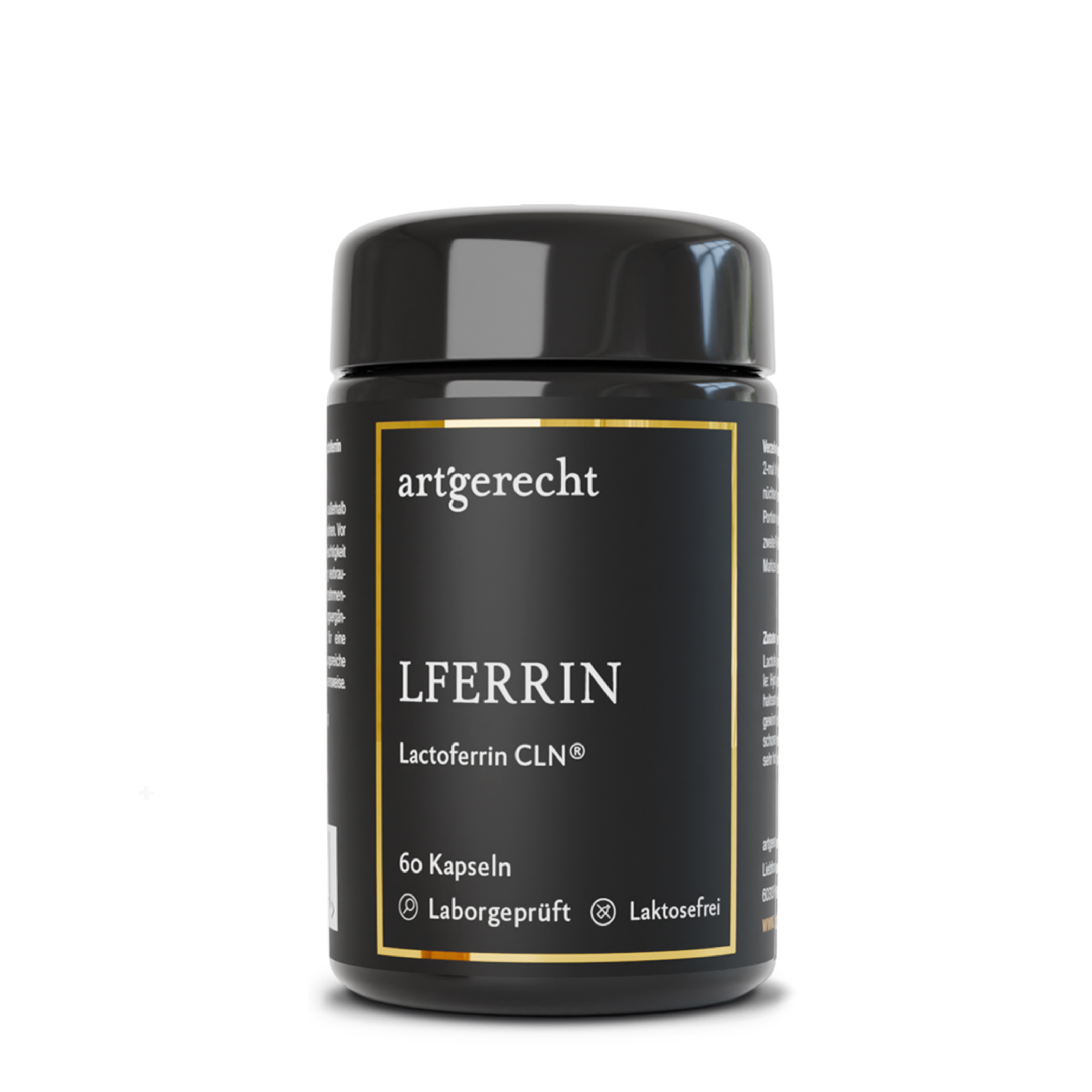
Lactoferrin
For your universal protection
As one of the most valuable proteins in the body, lactoferrin is a natural component of the immune system.[siehe Varianten]
Regular price:
€59.90

Natural Iron

For your iron balance
Specially formulated for your iron balance with plant-based curry leaf iron, Lactoferrin CLN®, and natural Vitamin C from rose hips.
30 Capsules
Regular price:
€35.90
Most read entries
3 Posts in this encyclopedia categoryMagnesiumcarbonat
Magnesiumcarbonat ist eine anorganische Magnesiumverbindung mit säure-neutralisierender (antazidischer) Wirkung. Erfahre mehr über Vorteile, Einsatzgebiete und Unterschiede zu besser resorbierbaren Magnesiumformen.
Calorie content
The choice of food influences our energy intake. The calorie content varies greatly - some provide little energy, others a lot.
Cologne list
The Cologne List ® is an important initiative in competitive sports that offers athletes guidance in the selection of nutritional supplements.