
-
 DE
DE



Proton Gradient – Definition and Function
The proton gradient is an electrochemical difference in hydrogen ion (proton) concentration across a membrane, used by cells to generate energy in the form of ATP.
Things worth knowing about "Proton Gradient"
The proton gradient is an electrochemical difference in hydrogen ion (proton) concentration across a membrane, used by cells to generate energy in the form of ATP.
What Is a Proton Gradient?
A proton gradient refers to the difference in concentration of hydrogen ions (protons, H⁺) across a biological membrane. It is created when protons are actively pumped from one side of the membrane to the other, resulting in a higher concentration on one side. Because protons carry a positive charge, this process also generates an electrical potential. Together, the concentration difference and the electrical potential form the electrochemical gradient, also referred to as the proton motive force (PMF).
Proton gradients are central to cellular energy metabolism, particularly in mitochondria and chloroplasts.
How the Proton Gradient Is Generated
In human cells, the proton gradient is primarily established in the mitochondria – often called the powerhouses of the cell. During the electron transport chain (oxidative phosphorylation), specialized protein complexes (Complex I, III, and IV) pump protons from the mitochondrial matrix into the intermembrane space, driven by the oxidation of nutrients such as glucose and fatty acids.
- Complex I (NADH dehydrogenase): Pumps 4 protons per electron pair transferred.
- Complex III (cytochrome bc1 complex): Pumps 4 protons per electron pair transferred.
- Complex IV (cytochrome c oxidase): Pumps 2 protons per electron pair transferred.
The result is a high proton concentration in the intermembrane space and a low concentration in the matrix, establishing a strong proton gradient across the inner mitochondrial membrane.
Function: ATP Synthesis via Chemiosmosis
The proton gradient represents a form of stored potential energy. This energy is released and harnessed when protons flow back down their concentration gradient through the enzyme ATP synthase (Complex V).
This process is called chemiosmosis and was first described by the biochemist Peter Mitchell, who was awarded the Nobel Prize in Chemistry in 1978 for this discovery. As protons pass through ATP synthase, the energy released drives the synthesis of ATP (adenosine triphosphate) from ADP (adenosine diphosphate) and inorganic phosphate.
ATP is the universal energy currency of the cell, powering processes ranging from muscle contraction and nerve signaling to protein synthesis and active transport.
Medical Relevance
Disruptions of the proton gradient can have serious medical consequences:
- Mitochondrial diseases: Genetic defects in the electron transport chain complexes can impair proton gradient formation, leading to severe disorders that primarily affect energy-demanding organs such as the brain, heart, and skeletal muscles.
- Cellular toxins: Substances such as cyanide and carbon monoxide block the electron transport chain, preventing the build-up of the proton gradient and causing life-threatening cellular energy failure.
- Uncouplers: Certain substances, such as dinitrophenol (DNP), allow protons to bypass ATP synthase and flow freely across the membrane, releasing the energy as heat instead of producing ATP. This mechanism is also used physiologically by uncoupling protein 1 (UCP1) in brown adipose tissue to generate body heat (thermogenesis).
- Proton pump inhibitors (PPIs): Medications such as omeprazole inhibit the H⁺/K⁺-ATPase in gastric parietal cells – a proton pump responsible for secreting stomach acid. PPIs are widely used for the treatment of acid reflux and peptic ulcers.
Proton Gradient in Photosynthesis
In plant cells, an analogous proton gradient is established in the chloroplasts during the light-dependent reactions of photosynthesis. Protons are pumped into the thylakoid lumen, and the resulting gradient drives a chloroplast ATP synthase to produce ATP, which is then used in the Calvin cycle for carbohydrate synthesis.
Summary
The proton gradient is a fundamental biochemical principle that enables cells to convert the chemical energy from nutrients into usable cellular energy (ATP). Disruption of this gradient can lead to severe disease, and it serves as the molecular target for important medications and toxic substances alike.
References
- Mitchell P. - Coupling of phosphorylation to electron and hydrogen transfer by a chemi-osmotic type of mechanism. Nature, 1961; 191: 144-148.
- Nelson DL, Cox MM. - Lehninger Principles of Biochemistry. 7th edition. W.H. Freeman, 2017.
- Dimmer KS, Scorrano L. - (De)constructing the mitochondrion: what for? Physiology (Bethesda), 2006; 21: 233-241.

Building Blocks for a Healthy Life
As an integrated manufacturer, we develop & produce evidence-based, patented, and non-patented formulations. We work exclusively with plant and natural extracts according to the strictest purity & quality standards.
The combination of science & modern technology with the laws of nature creates solutions consistently tailored to humans – for the highest good: health.
Verwandte Produkte

Floral
For Healthy Oral Flora & Dental Care
Formulated lozenges with Dentalac®, lactic acid bacteria, and Lactoferrin CLN®30 lozenges
Regular price:
€22.90
Floral
For Healthy Oral Flora & Dental Care
Formulated lozenges with Dentalac®, lactic acid bacteria, and Lactoferrin CLN®30 lozenges
Regular price:
€22.90
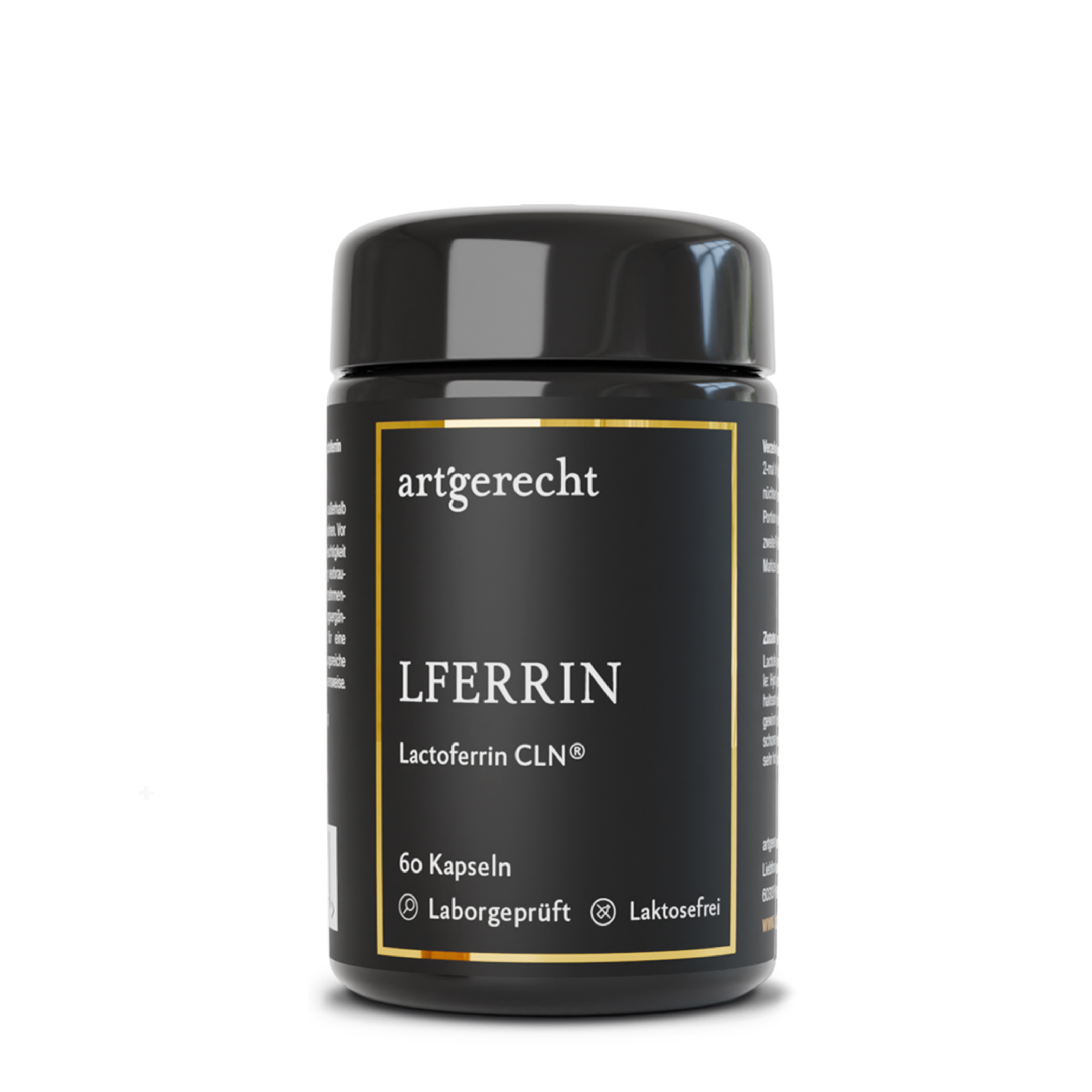
Lactoferrin
For your universal protection
As one of the most valuable proteins in the body, lactoferrin is a natural component of the immune system.[siehe Varianten]
Regular price:
€59.90

Natural Iron

For your iron balance
Specially formulated for your iron balance with plant-based curry leaf iron, Lactoferrin CLN®, and natural Vitamin C from rose hips.
30 Capsules
Regular price:
€35.90
Most read entries
3 Posts in this encyclopedia categoryMagnesiumcarbonat
Magnesiumcarbonat ist eine anorganische Magnesiumverbindung mit säure-neutralisierender (antazidischer) Wirkung. Erfahre mehr über Vorteile, Einsatzgebiete und Unterschiede zu besser resorbierbaren Magnesiumformen.
Calorie content
The choice of food influences our energy intake. The calorie content varies greatly - some provide little energy, others a lot.
Cologne list
The Cologne List ® is an important initiative in competitive sports that offers athletes guidance in the selection of nutritional supplements.