
-
 DE
DE



Tubocurarine: Mechanism, Uses & History
Tubocurarine is a plant-derived alkaloid from curare and one of the first neuromuscular blocking agents used in clinical anaesthesia. It causes skeletal muscle relaxation by blocking acetylcholine receptors.
Things worth knowing about "Tubocurarine"
Tubocurarine is a plant-derived alkaloid from curare and one of the first neuromuscular blocking agents used in clinical anaesthesia. It causes skeletal muscle relaxation by blocking acetylcholine receptors.
What is Tubocurarine?
Tubocurarine (also known as d-tubocurarine) is a naturally occurring alkaloid derived from the bark and stems of South American plants, most notably Chondrodendron tomentosum. It is the principal active compound of curare, the traditional arrow poison used by indigenous peoples of South America for hunting. In modern medicine, tubocurarine was the first non-depolarising neuromuscular blocking agent to be used clinically in anaesthesia.
Mechanism of Action
Tubocurarine acts as a competitive antagonist at the nicotinic acetylcholine receptor (nAChR) at the neuromuscular junction. Its mechanism involves the following steps:
- It binds reversibly to the acetylcholine-binding sites on the receptor.
- This prevents the endogenous neurotransmitter acetylcholine from activating the receptor.
- Depolarisation of the muscle membrane is inhibited, resulting in flaccid paralysis of skeletal muscles.
- The effect is dose-dependent and can be reversed by acetylcholinesterase inhibitors such as neostigmine.
Importantly, tubocurarine does not affect consciousness or pain perception, and must therefore always be used in combination with general anaesthesia.
Medical Use
Tubocurarine was first used clinically in 1942 by Harold Griffith and Enid Johnson, revolutionising modern surgery. Its key applications included:
- Muscle relaxation during surgery: Facilitating endotracheal intubation and providing optimal operating conditions.
- Mechanical ventilation: Controlling respiratory muscles in ventilated patients.
- Electroconvulsive therapy (ECT): Attenuating convulsive responses.
- Tetanus management: Controlling severe muscle spasms.
Due to its unfavourable side effect profile, tubocurarine has been largely replaced in clinical practice by newer non-depolarising neuromuscular blockers such as vecuronium, rocuronium, and atracurium.
Dosage
Clinical dosing of tubocurarine was individualised based on the procedure, body weight, and concurrent medications. Typical intravenous doses used to facilitate intubation ranged from 0.3 to 0.5 mg/kg body weight. Administration was exclusively intravenous and required anaesthetic supervision at all times.
Side Effects
Tubocurarine carries a broad side effect profile that significantly limited its use in modern medicine:
- Histamine release: May cause skin flushing, bronchospasm, and hypotension.
- Ganglionic blockade: Inhibition of autonomic ganglia leading to possible blood pressure drops.
- Tachycardia: Due to blockade of muscarinic receptors.
- Prolonged duration of action: Less predictable compared to newer agents.
- Accumulation: Increased risk of prolonged paralysis in patients with impaired kidney function.
Pharmacological Properties
Tubocurarine is a quaternary ammonium salt and therefore highly polar. It does not cross the blood-brain barrier or the placental barrier to any significant degree, which explains its selectivity for the peripheral neuromuscular junction. Elimination occurs primarily via the kidneys, making caution necessary in patients with renal impairment.
Historical Significance
Tubocurarine holds an important place in the history of pharmacology and anaesthesia. It was the first muscle relaxant deliberately used in clinical medicine and laid the groundwork for the development of an entire class of modern neuromuscular blocking agents. Research into its mechanism of action greatly advanced the understanding of neuromuscular transmission.
References
- Griffith HR, Johnson GE. The use of curare in general anesthesia. Anesthesiology. 1942;3(4):418-420.
- Bowman WC. Neuromuscular block. British Journal of Pharmacology. 2006;147(Suppl 1):S277-S286.
- Katzung BG, Trevor AJ. Basic and Clinical Pharmacology. 14th edition. McGraw-Hill Education, 2018.

Building Blocks for a Healthy Life
As an integrated manufacturer, we develop & produce evidence-based, patented, and non-patented formulations. We work exclusively with plant and natural extracts according to the strictest purity & quality standards.
The combination of science & modern technology with the laws of nature creates solutions consistently tailored to humans – for the highest good: health.
Verwandte Produkte
Subscription available

Floral
For Healthy Oral Flora & Dental Care
Formulated lozenges with Dentalac®, lactic acid bacteria, and Lactoferrin CLN®30 lozenges
Regular price:
€22.90
Subscription available
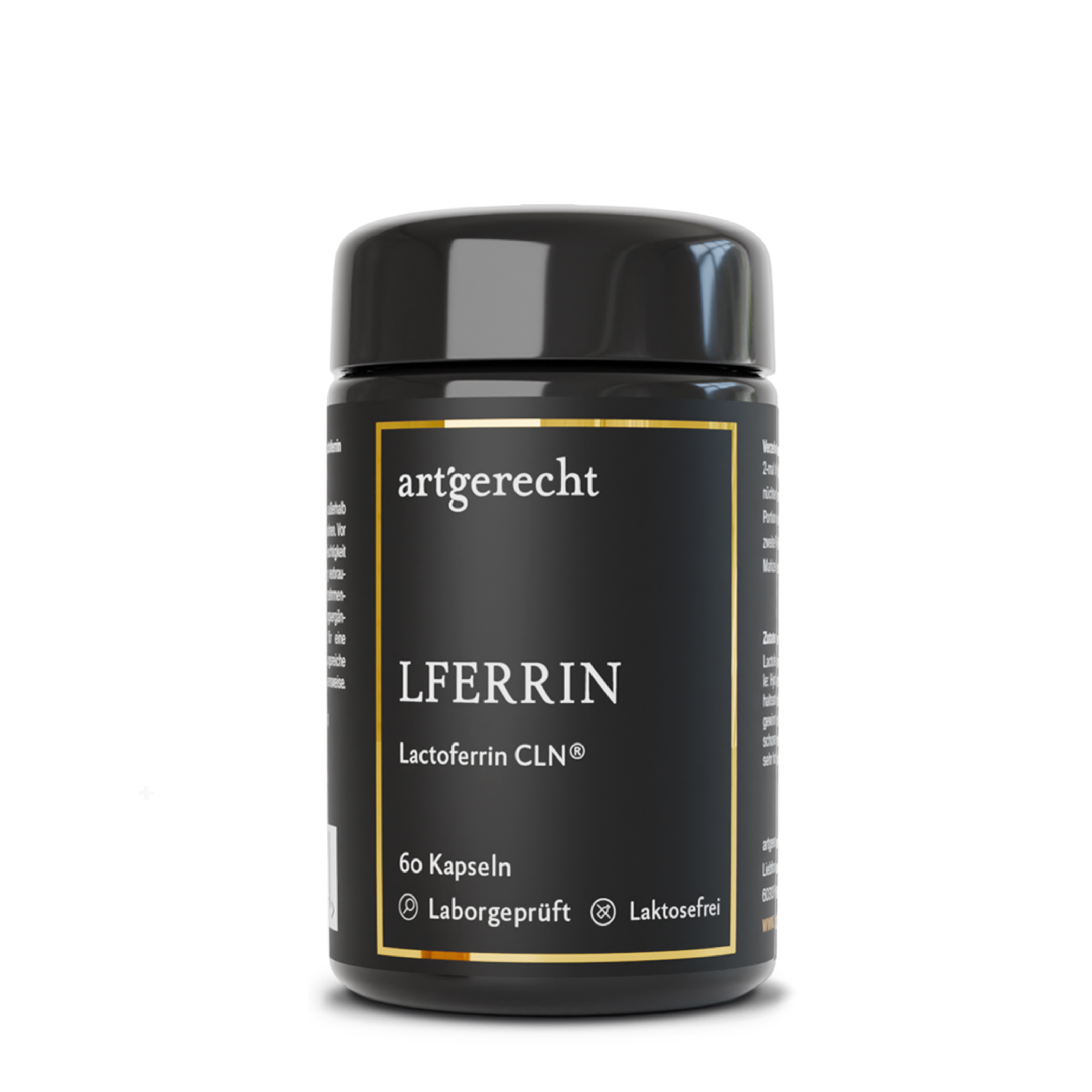
Lactoferrin
For your universal protection
As one of the most valuable proteins in the body, lactoferrin is a natural component of the immune system.[siehe Varianten]
Regular price:
€59.90
Subscription available

Natural Iron

For your iron balance
Specially formulated for your iron balance with plant-based curry leaf iron, Lactoferrin CLN®, and natural Vitamin C from rose hips.
30 Capsules
Regular price:
€35.90
Most read entries
3 Posts in this encyclopedia categoryMagnesiumcarbonat
Magnesiumcarbonat ist eine anorganische Magnesiumverbindung mit säure-neutralisierender (antazidischer) Wirkung. Erfahre mehr über Vorteile, Einsatzgebiete und Unterschiede zu besser resorbierbaren Magnesiumformen.
Calorie content
The choice of food influences our energy intake. The calorie content varies greatly - some provide little energy, others a lot.
Cologne list
The Cologne List ® is an important initiative in competitive sports that offers athletes guidance in the selection of nutritional supplements.