


Isomaltulose – Effects, Uses & Glycaemic Index
Isomaltulose is a naturally occurring carbohydrate with a low glycaemic index that is digested slowly, resulting in only a moderate rise in blood sugar levels.
Things worth knowing about "Isomaltulose"
Isomaltulose is a naturally occurring carbohydrate with a low glycaemic index that is digested slowly, resulting in only a moderate rise in blood sugar levels.
What is Isomaltulose?
Isomaltulose (trade name: Palatinose) is a naturally occurring disaccharide composed of glucose and fructose. Unlike conventional table sugar (sucrose), the two sugar molecules in isomaltulose are joined by an alpha-1,6-glycosidic bond, which results in significantly slower enzymatic breakdown in the small intestine. Isomaltulose is found naturally in small amounts in sugar beet molasses and honey, and is produced biotechnologically from sucrose.
Mechanism of Action
Due to its more stable glycosidic bond, isomaltulose is only slowly cleaved in the small intestine by the enzyme isomaltase and subsequently absorbed gradually. This leads to a flat and sustained rise in blood glucose and insulin levels. The glycaemic index (GI) of isomaltulose is approximately 32, compared to 65 for sucrose. The slower energy release provides a more steady and prolonged energy supply to the body.
Medical and Nutritional Significance
Blood Sugar Regulation
Due to its low glycaemic index, isomaltulose is frequently discussed as an alternative to conventional sugar for people with type 2 diabetes mellitus or insulin resistance. Studies indicate that consuming isomaltulose results in a significantly lower postprandial blood glucose response compared to sucrose or glucose.
Weight Management and Satiety
The slow digestion of isomaltulose contributes to prolonged satiety, making it an attractive ingredient in foods designed for weight management. In addition, the reduced insulin response has been associated with improved fat oxidation.
Sports and Endurance Performance
In sports nutrition, isomaltulose is valued as a slow-release carbohydrate source. It provides a steady supply of energy over an extended period, which can be particularly beneficial in endurance sports. Sports drinks and energy bars containing isomaltulose are widely available on the market.
Dental Health
Isomaltulose is considered tooth-friendly, as it is only minimally fermented by oral bacteria and therefore contributes little to tooth decay. The European Food Safety Authority (EFSA) has officially recognised this health claim.
Sources and Use in Food Products
Isomaltulose is used in a wide range of food products and beverages, including:
- Sports drinks and energy beverages
- Diabetic-friendly foods
- Confectionery and chocolate products
- Cereals and baked goods
- Dietary supplements
In the EU, isomaltulose is approved as a food ingredient and is listed in the ingredient declaration under the name isomaltulose or palatinose. It has the same caloric value as sucrose (4 kcal/g), as it is fully digested.
Safety and Tolerability
Isomaltulose is considered well-tolerated and safe. Since it is completely absorbed in the small intestine, it does not cause laxative effects or bloating, even in larger amounts, unlike some sugar alcohols (e.g. sorbitol). Both the EFSA and the US Food and Drug Administration (FDA) have classified isomaltulose as safe (GRAS status). However, isomaltulose is not suitable for individuals with the rare condition sucrase-isomaltase deficiency, as the required digestive enzyme is absent.
References
- EFSA Panel on Dietetic Products, Nutrition and Allergies (NDA): Scientific Opinion on the substantiation of health claims related to isomaltulose. EFSA Journal 2011;9(4):2076.
- Holub I. et al. - Novel findings on the metabolic effects of the low glycaemic carbohydrate isomaltulose (Palatinose). British Journal of Nutrition, 2010;103(12):1730-1737.
- Lina B.A. et al. - Isomaltulose (Palatinose): a review of biological and toxicological studies. Food and Chemical Toxicology, 1997;35(3-4):297-306.

Building Blocks for a Healthy Life
As an integrated manufacturer, we develop & produce evidence-based, patented, and non-patented formulations. We work exclusively with plant and natural extracts according to the strictest purity & quality standards.
The combination of science & modern technology with the laws of nature creates solutions consistently tailored to humans – for the highest good: health.
Verwandte Produkte

For Healthy Oral Flora & Dental Care
Formulated lozenges with Dentalac®, lactic acid bacteria, and Lactoferrin CLN®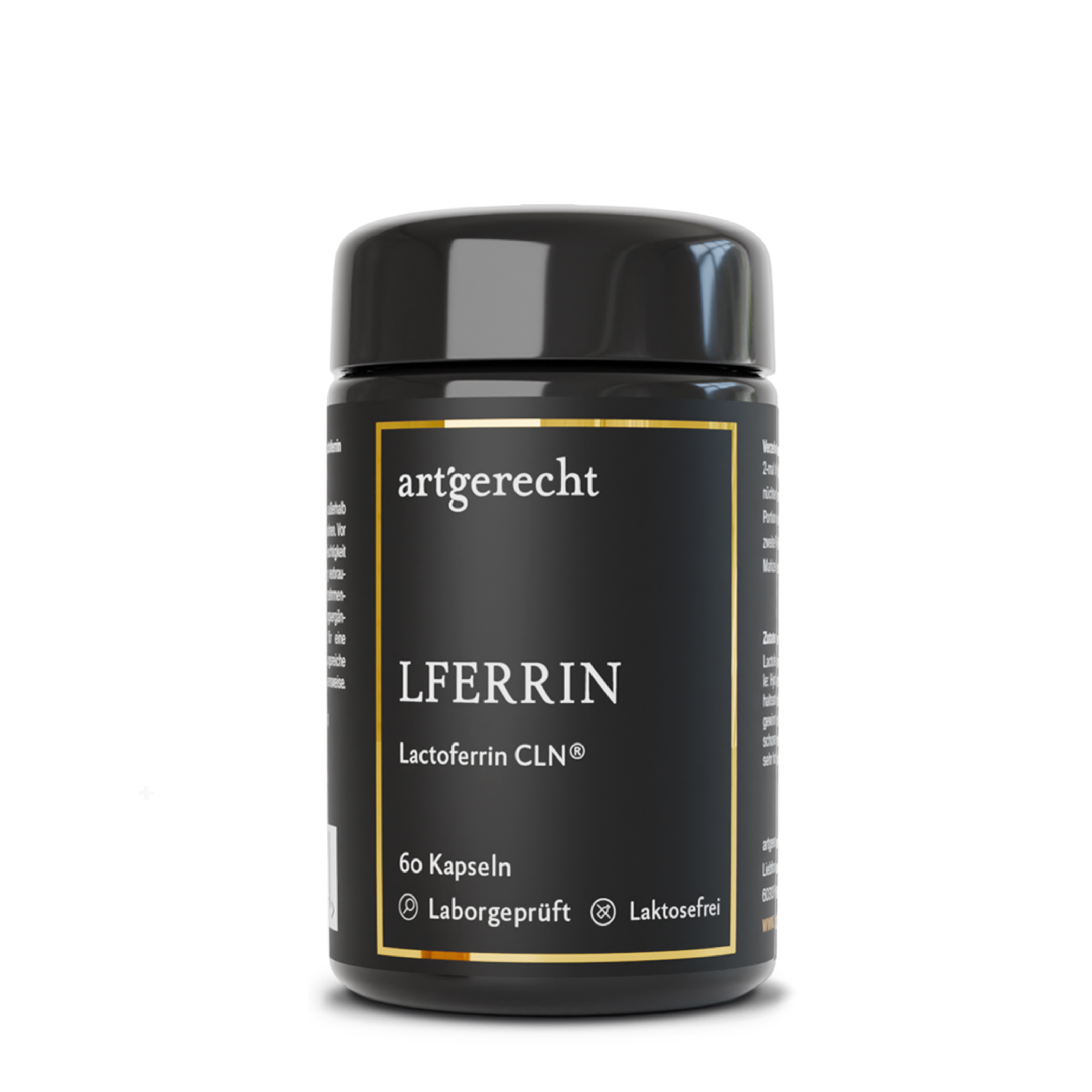
For your universal protection
As one of the most valuable proteins in the body, lactoferrin is a natural component of the immune system.
For your iron balance
Specially formulated for your iron balance with plant-based curry leaf iron, Lactoferrin CLN®, and natural Vitamin C from rose hips.