
-
 DE
DE



Acetylation Capacity – Definition and Significance
Acetylation capacity refers to the genetically determined ability of the body to metabolize certain substances via the enzyme N-acetyltransferase. It affects individual tolerance to medications and dietary compounds.
Things worth knowing about "Acetylation Capacity"
Acetylation capacity refers to the genetically determined ability of the body to metabolize certain substances via the enzyme N-acetyltransferase. It affects individual tolerance to medications and dietary compounds.
What Is Acetylation Capacity?
Acetylation capacity describes the individual ability of the human body to chemically modify certain compounds through a biochemical process called acetylation. During this process, an acetyl group (–COCH₃) is attached to a substance, which can alter its solubility, efficacy, or rate of elimination from the body.
This process is primarily controlled by the enzyme N-acetyltransferase (NAT), particularly the NAT2 isoform. The activity of this enzyme is genetically determined and varies considerably between individuals.
Genetic Basis
Based on their acetylation capacity, individuals are generally classified into two main groups:
- Slow acetylators: Individuals with reduced NAT2 activity. Substances are broken down more slowly, leading to higher drug concentrations in the blood and an increased risk of side effects.
- Fast acetylators: Individuals with high NAT2 activity. Substances are rapidly converted and excreted, which may reduce the effectiveness of certain medications.
Some sources also distinguish a third category, intermediate acetylators, whose enzyme activity falls between the two extremes.
Clinical Significance
Acetylation capacity has far-reaching implications in medicine, particularly in the following areas:
Drug Tolerance and Pharmacogenetics
Numerous medications are metabolized via acetylation. These include:
- Isoniazid (used for tuberculosis): In slow acetylators, toxic plasma levels can accumulate, potentially causing nerve damage (peripheral neuropathy).
- Hydralazine (antihypertensive): Slow acetylators have a higher risk of drug-induced lupus syndrome.
- Procainamide (antiarrhythmic): Similar risks as with hydralazine in slow acetylators.
- Sulfonamides (antibiotics): Tolerability differs significantly depending on the acetylation phenotype.
Histamine Intolerance and Diet
Acetylation capacity also plays a role in the tolerance of histamine and other biogenic amines found in food. Slow acetylators may be more sensitive to histamine-rich foods such as red wine, aged cheese, canned fish, or fermented products, as the breakdown of these compounds can be impaired.
Cancer Risk
Research suggests that acetylation phenotype may influence the risk of certain cancers. Slow acetylators may have an elevated risk of bladder cancer, while fast acetylators may have a slightly higher risk of colorectal cancer. These associations are still under active investigation.
Diagnosis
Acetylation capacity can be determined by:
- Genotyping: Molecular genetic analysis of the NAT2 gene to identify specific polymorphisms (gene variants).
- Phenotyping: Administration of a test substance (e.g., caffeine or sulfadimethoxine) followed by measurement of metabolites in urine or blood.
These tests are primarily used in the context of personalized medicine and pharmacogenetics to tailor therapies to individual patients.
Relevance in Personalized Medicine
Knowledge of a patient's acetylation capacity allows physicians and pharmacists to adjust medication dosages precisely and minimize adverse effects. This is a core element of pharmacogenetics – the field of medicine that studies genetic differences in drug response and tolerance.
References
- Sim E, Abuhammad A, Ryan A. Arylamine N-acetyltransferases: from drug metabolism and pharmacogenetics to drug discovery. British Journal of Pharmacology, 2014; 171(11): 2705–2725.
- World Health Organization (WHO). Pharmacogenomics and rational use of medicines. WHO Technical Report, Geneva.
- Cascorbi I. Pharmacogenetics – Basics and Clinical Consequences. Deutsches Aerzteblatt, 2003; 100(21): A-1413.

Building Blocks for a Healthy Life
As an integrated manufacturer, we develop & produce evidence-based, patented, and non-patented formulations. We work exclusively with plant and natural extracts according to the strictest purity & quality standards.
The combination of science & modern technology with the laws of nature creates solutions consistently tailored to humans – for the highest good: health.
Verwandte Produkte
Subscription available

Floral
For Healthy Oral Flora & Dental Care
Formulated lozenges with Dentalac®, lactic acid bacteria, and Lactoferrin CLN®30 lozenges
Regular price:
€22.90
Subscription available
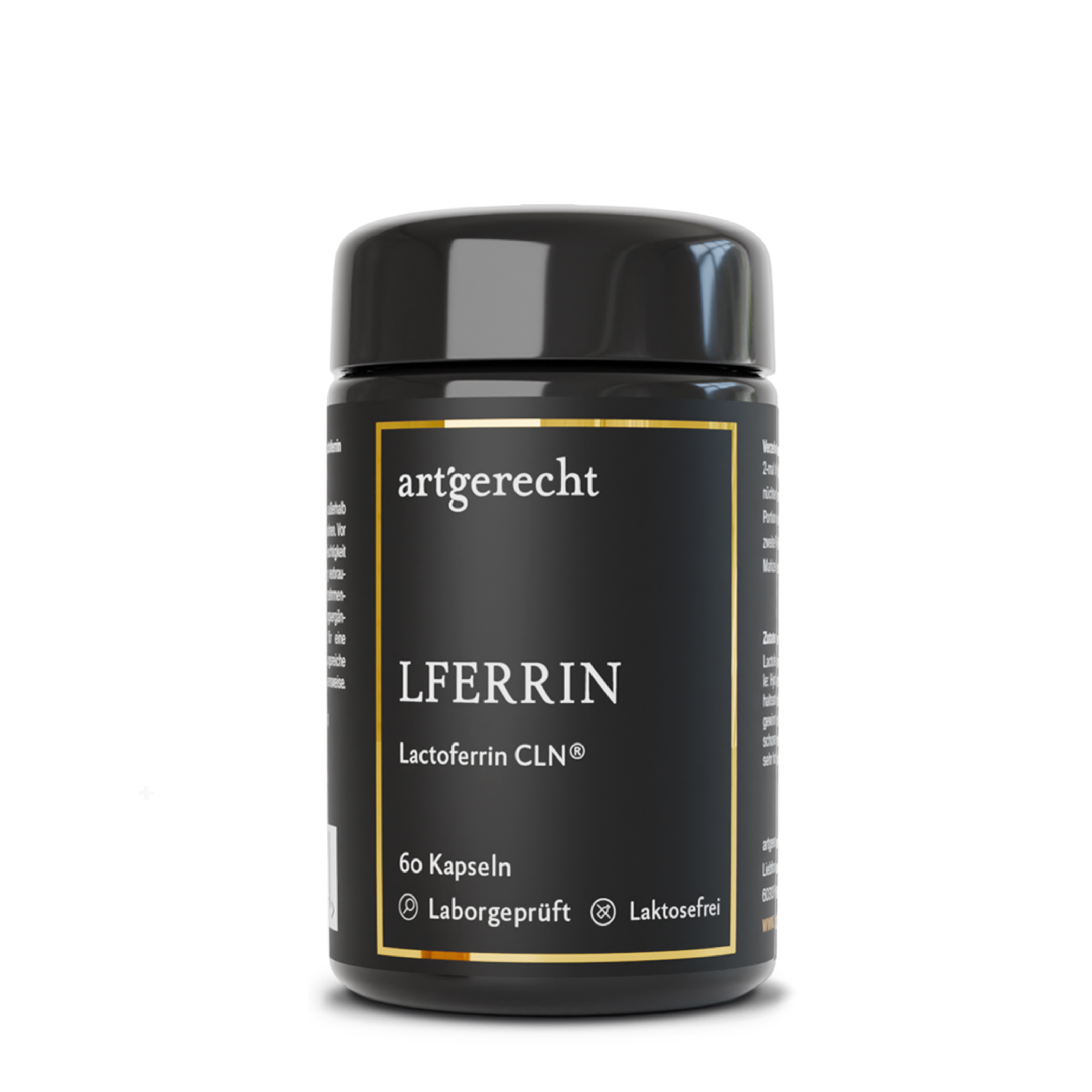
Lactoferrin
For your universal protection
As one of the most valuable proteins in the body, lactoferrin is a natural component of the immune system.[siehe Varianten]
Regular price:
€59.90
Subscription available

Natural Iron

For your iron balance
Specially formulated for your iron balance with plant-based curry leaf iron, Lactoferrin CLN®, and natural Vitamin C from rose hips.
30 Capsules
Regular price:
€35.90
Most read entries
3 Posts in this encyclopedia categoryMagnesiumcarbonat
Magnesiumcarbonat ist eine anorganische Magnesiumverbindung mit säure-neutralisierender (antazidischer) Wirkung. Erfahre mehr über Vorteile, Einsatzgebiete und Unterschiede zu besser resorbierbaren Magnesiumformen.
Calorie content
The choice of food influences our energy intake. The calorie content varies greatly - some provide little energy, others a lot.
Cologne list
The Cologne List ® is an important initiative in competitive sports that offers athletes guidance in the selection of nutritional supplements.