
-
 DE
DE



Allergen Exposure – Definition, Causes and Treatment
Allergen exposure refers to contact between the body and an allergen capable of triggering an allergic reaction. It is a key factor in the development and progression of allergies.
Things worth knowing about "Allergen Exposure"
Allergen exposure refers to contact between the body and an allergen capable of triggering an allergic reaction. It is a key factor in the development and progression of allergies.
What Is Allergen Exposure?
Allergen exposure describes the contact between a person and a substance – known as an allergen – that can provoke an exaggerated immune response, or allergic reaction, in sensitised individuals. Exposure can occur through multiple routes: inhalation, skin contact, ingestion, or injection.
Whether allergen exposure actually leads to symptoms depends on several factors: the amount of allergen encountered, the degree of individual sensitisation, the route of exposure, and the overall health status of the person involved.
Common Allergens and Sources of Exposure
- Inhalation allergens (aeroallergens): Tree, grass, and weed pollens; house dust mites; pet dander; mould spores
- Food allergens: Peanuts, tree nuts, cow milk, eggs, wheat, soy, fish, shellfish
- Contact allergens: Nickel, fragrances, latex, preservatives in cosmetics
- Insect venom allergens: Bee and wasp venom
- Drug allergens: Penicillin and other antibiotics, non-steroidal anti-inflammatory drugs
Causes and Risk Factors
Allergen exposure alone is not sufficient to cause an allergic disease. First, sensitisation must occur: upon repeated contact with an allergen, the immune system produces specific antibodies (IgE). On subsequent exposure, the body then responds with allergic symptoms.
Risk factors for increased sensitisation include:
- Genetic predisposition (atopic constitution)
- Early-life environmental conditions (hygiene hypothesis)
- Air pollution and environmental factors
- High ambient allergen concentrations
- A weakened immune system or concurrent medical conditions
Symptoms Following Allergen Exposure
The symptoms that follow allergen exposure can vary considerably depending on the individual and the type of allergen involved:
- Respiratory tract: Sneezing, runny or blocked nose, asthma, coughing
- Eyes: Redness, itching, watering (allergic conjunctivitis)
- Skin: Hives (urticaria), eczema, contact dermatitis, swelling
- Gastrointestinal tract: Nausea, abdominal pain, diarrhoea, vomiting
- Systemic: In severe cases, anaphylactic shock with life-threatening drop in blood pressure
Diagnosis
Diagnosing allergic sensitisation and identifying the relevant allergens involves:
- Medical history: Review of symptoms and typical exposure situations
- Skin tests: Prick test, intradermal test, or patch test to assess direct reactions
- Blood tests: Measurement of allergen-specific IgE antibodies (e.g., RAST, ImmunoCAP)
- Provocation tests: Controlled, supervised exposure to the suspected allergen under medical observation
Treatment and Prevention
Allergen Avoidance
The most effective measure is allergen avoidance – consistently minimising contact with the triggering allergen. This is not always fully achievable, for example in the case of pollen or house dust mite allergies.
Pharmacological Treatment
Several medications are available to relieve symptoms:
- Antihistamines: Block the effects of histamine and reduce typical allergy symptoms
- Corticosteroids: Reduce inflammation, e.g. as nasal sprays or eye drops
- Bronchodilators: Open the airways in allergy-induced asthma
- Adrenaline auto-injector: Emergency medication for anaphylactic reactions
Allergen Immunotherapy (Desensitisation)
Specific immunotherapy (SIT), also known as desensitisation or hyposensitisation, is the only causal treatment option. Through the controlled, gradual increase in allergen dosage, the immune system is trained to tolerate the allergen, resulting in long-term reduction of symptoms.
References
- World Health Organization (WHO) – Allergic Rhinitis and its Impact on Asthma (ARIA) Guidelines, 2022
- Muraro A et al. – EAACI Guidelines on Allergen Immunotherapy: Executive Statement. Allergy, 2018; 73(4): 739–743
- Holgate ST et al. – Allergy. 4th ed. Saunders Elsevier, 2012

Building Blocks for a Healthy Life
As an integrated manufacturer, we develop & produce evidence-based, patented, and non-patented formulations. We work exclusively with plant and natural extracts according to the strictest purity & quality standards.
The combination of science & modern technology with the laws of nature creates solutions consistently tailored to humans – for the highest good: health.
Verwandte Produkte
Subscription available

Floral
For Healthy Oral Flora & Dental Care
Formulated lozenges with Dentalac®, lactic acid bacteria, and Lactoferrin CLN®30 lozenges
Regular price:
€22.90
Subscription available
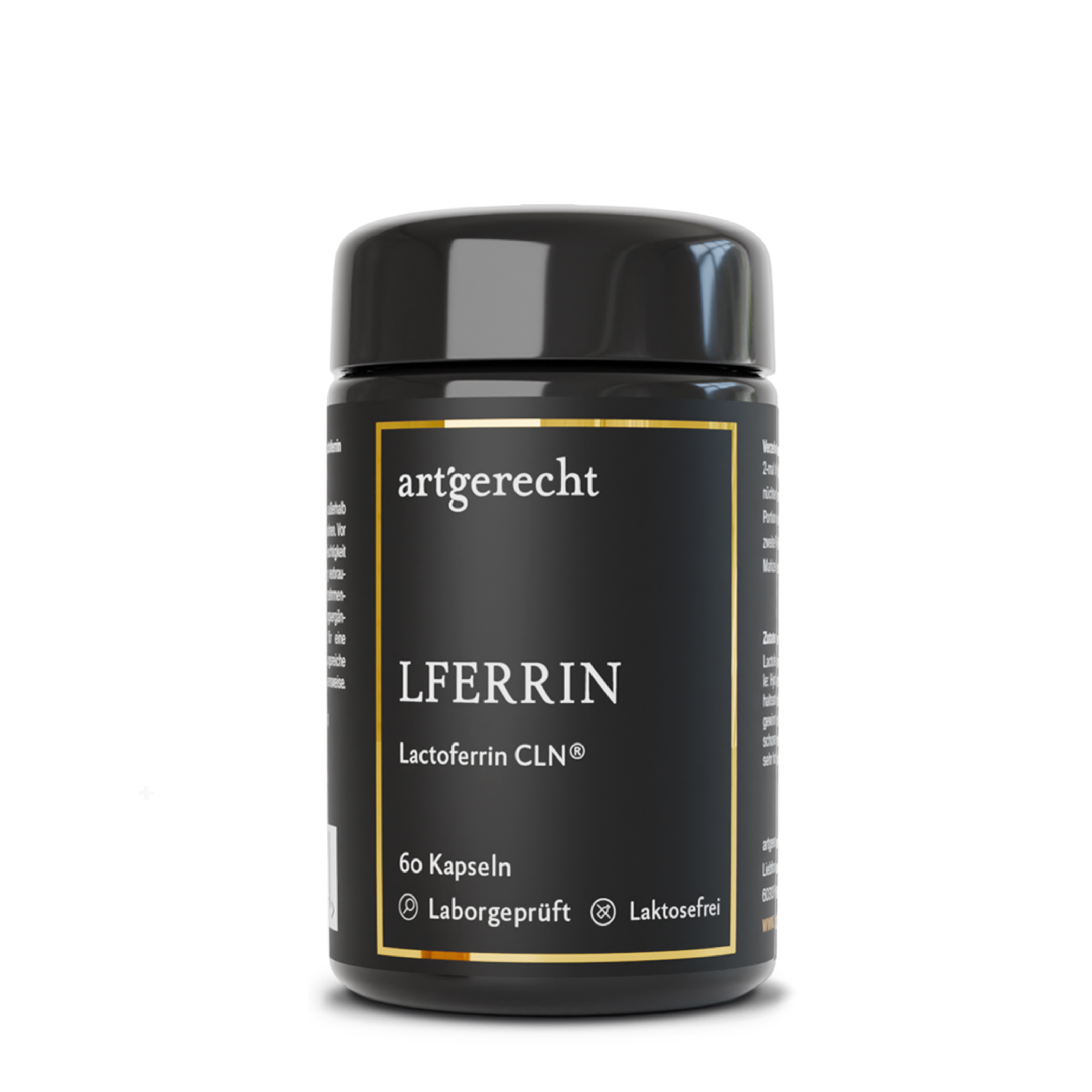
Lactoferrin
For your universal protection
As one of the most valuable proteins in the body, lactoferrin is a natural component of the immune system.[siehe Varianten]
Regular price:
€59.90
Subscription available

Natural Iron

For your iron balance
Specially formulated for your iron balance with plant-based curry leaf iron, Lactoferrin CLN®, and natural Vitamin C from rose hips.
30 Capsules
Regular price:
€35.90
Most read entries
3 Posts in this encyclopedia categoryMagnesiumcarbonat
Magnesiumcarbonat ist eine anorganische Magnesiumverbindung mit säure-neutralisierender (antazidischer) Wirkung. Erfahre mehr über Vorteile, Einsatzgebiete und Unterschiede zu besser resorbierbaren Magnesiumformen.
Calorie content
The choice of food influences our energy intake. The calorie content varies greatly - some provide little energy, others a lot.
Cologne list
The Cologne List ® is an important initiative in competitive sports that offers athletes guidance in the selection of nutritional supplements.