
-
 DE
DE



Allosteric – Definition and Medical Significance
Allosteric describes the regulation of proteins or enzymes through the binding of a molecule at a site other than the active center, altering their activity.
Things worth knowing about "Allosteric"
Allosteric describes the regulation of proteins or enzymes through the binding of a molecule at a site other than the active center, altering their activity.
What Does Allosteric Mean?
Allosteric (from Greek allos = other, stereos = place/space) is a biochemical and pharmacological term describing a regulatory mechanism in which a molecule binds not to the active site of a protein or enzyme, but to a spatially distinct location called the allosteric binding site. This binding induces a conformational change in the protein, which in turn increases or decreases its activity.
Significance in Biochemistry
Allosteric regulation is a fundamental mechanism of cellular control. Enzymes, receptors, and transport proteins can all be influenced in their function by allosteric effectors. A distinction is made between:
- Allosteric activators: Molecules that increase protein activity by binding to the allosteric site.
- Allosteric inhibitors: Molecules that decrease or completely block protein activity by binding to the allosteric site.
A classic example is feedback inhibition in metabolic pathways: the end product of a reaction chain binds allosterically to the first enzyme in the chain, thereby inhibiting its own further production.
Allosteric Cooperativity
Some proteins consist of multiple subunits (oligomers) and display cooperative behavior: the binding of a molecule to one subunit alters the binding affinity of the other subunits. The best-known example is hemoglobin, which binds oxygen in a cooperative and allosteric manner. Factors such as CO2, pH, and 2,3-bisphosphoglycerate allosterically regulate oxygen binding.
Allostery in Pharmacology
The allosteric principle has gained great importance in modern drug research. Allosteric modulators are drugs that do not bind directly to the active site of a receptor or enzyme, but to a separate allosteric site. This allows them to:
- Enhance the effect of the natural ligand (positive allosteric modulator, PAM)
- Reduce the effect of the natural ligand (negative allosteric modulator, NAM)
- Modulate protein function independently of the natural ligand
This approach enables a more refined and specific control of signaling pathways compared to classical direct inhibition or activation. Examples include certain sedative drugs (benzodiazepines), which allosterically modulate the GABAA receptor, as well as novel agents targeting cancer, HIV, and neurological disorders.
Clinical Relevance
Understanding allosteric mechanisms is medically significant in many areas:
- Enzyme defects: Mutations in allosteric binding sites can cause metabolic diseases.
- Drug development: Allosteric drugs offer new therapeutic options, often with fewer side effects.
- Diagnostics: Allosteric changes in proteins can serve as biomarkers for disease.
References
- Stryer, L., Berg, J.M., Tymoczko, J.L.: Biochemistry. 9th Edition. W.H. Freeman and Company, New York 2019.
- Goodman & Gilman's: The Pharmacological Basis of Therapeutics. 13th Edition. McGraw-Hill, New York 2018.
- Nussinov, R., Tsai, C.J.: Allostery in Disease and in Drug Discovery. Cell, 153(2):293-305, 2013. DOI: 10.1016/j.cell.2013.03.034.

Building Blocks for a Healthy Life
As an integrated manufacturer, we develop & produce evidence-based, patented, and non-patented formulations. We work exclusively with plant and natural extracts according to the strictest purity & quality standards.
The combination of science & modern technology with the laws of nature creates solutions consistently tailored to humans – for the highest good: health.
Verwandte Produkte
Subscription available

Floral
For Healthy Oral Flora & Dental Care
Formulated lozenges with Dentalac®, lactic acid bacteria, and Lactoferrin CLN®30 lozenges
Regular price:
€22.90
Subscription available
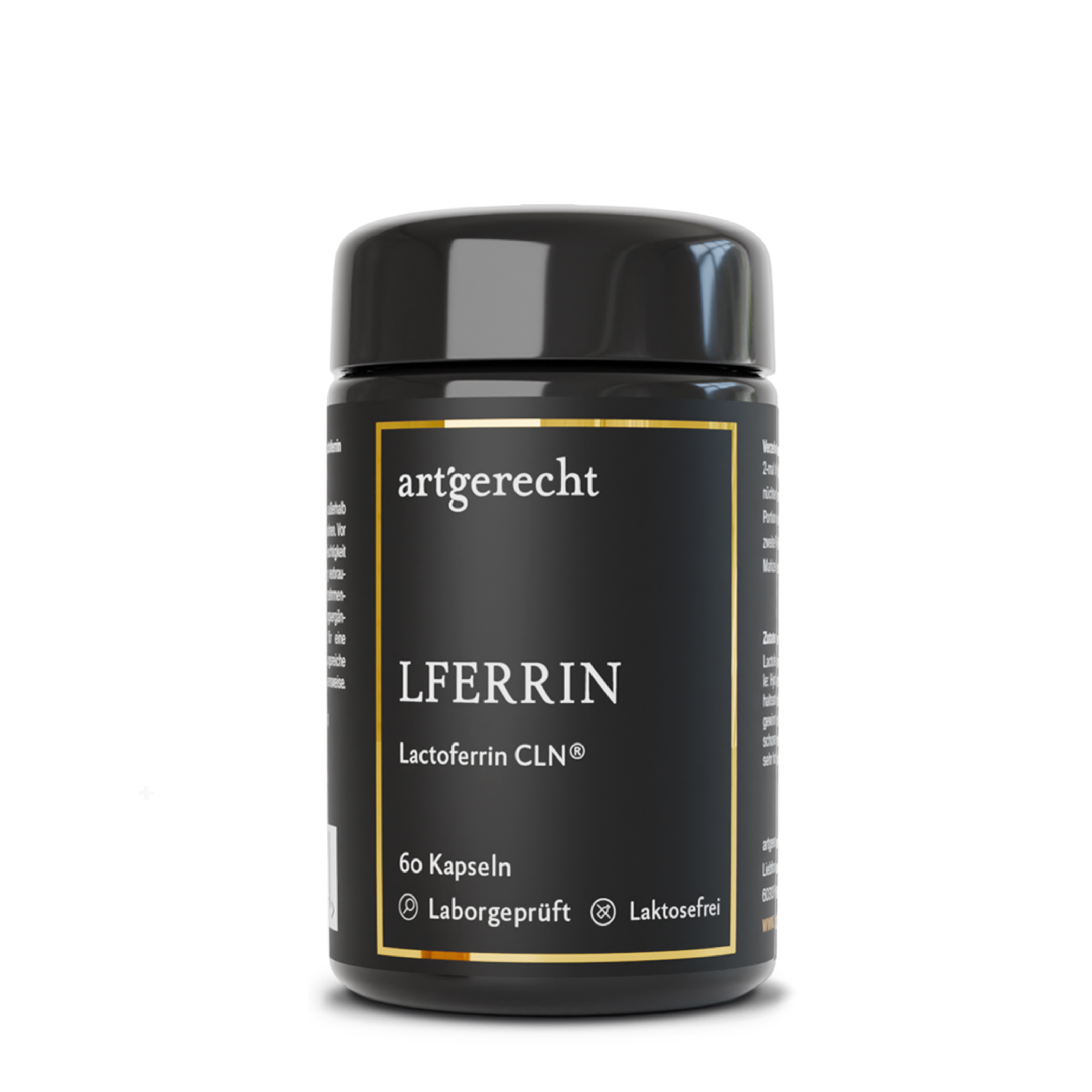
Lactoferrin
For your universal protection
As one of the most valuable proteins in the body, lactoferrin is a natural component of the immune system.[siehe Varianten]
Regular price:
€59.90
Subscription available

Natural Iron

For your iron balance
Specially formulated for your iron balance with plant-based curry leaf iron, Lactoferrin CLN®, and natural Vitamin C from rose hips.
30 Capsules
Regular price:
€35.90
Most read entries
3 Posts in this encyclopedia categoryMagnesiumcarbonat
Magnesiumcarbonat ist eine anorganische Magnesiumverbindung mit säure-neutralisierender (antazidischer) Wirkung. Erfahre mehr über Vorteile, Einsatzgebiete und Unterschiede zu besser resorbierbaren Magnesiumformen.
Calorie content
The choice of food influences our energy intake. The calorie content varies greatly - some provide little energy, others a lot.
Cologne list
The Cologne List ® is an important initiative in competitive sports that offers athletes guidance in the selection of nutritional supplements.