
-
 DE
DE



Aminoglycoside Antibiotic: Effects and Uses
Aminoglycoside antibiotics are a class of broad-spectrum antibiotics used primarily to treat severe bacterial infections. They work by inhibiting bacterial protein synthesis, leading to bacterial cell death.
Things worth knowing about "Aminoglycoside Antibiotic"
Aminoglycoside antibiotics are a class of broad-spectrum antibiotics used primarily to treat severe bacterial infections. They work by inhibiting bacterial protein synthesis, leading to bacterial cell death.
What are Aminoglycoside Antibiotics?
Aminoglycoside antibiotics are a group of antibiotics structurally composed of amino sugars linked to an aminocyclitol ring. They belong to the broad-spectrum antibiotic class and are primarily used to treat serious, life-threatening infections caused by both gram-positive and especially gram-negative bacteria. Well-known representatives of this class include Gentamicin, Tobramycin, Amikacin, Streptomycin, and Neomycin.
Mechanism of Action
Aminoglycoside antibiotics exert their antibacterial effect by inhibiting protein synthesis within the bacterial cell. They bind irreversibly to the 30S subunit of the bacterial ribosome, causing misreading of the genetic information (messenger RNA). This leads to the production of faulty proteins, ultimately resulting in bacterial cell death (bactericidal effect). In addition, aminoglycosides increase the permeability of the bacterial cell membrane, further enhancing their bactericidal activity.
Indications
Aminoglycoside antibiotics are primarily used for severe infections where other antibiotics are insufficient or unsuitable. Common areas of application include:
- Severe gram-positive and gram-negative infections (e.g., sepsis, bloodstream infections)
- Infections caused by Pseudomonas aeruginosa and other resistant pathogens
- Urinary tract, respiratory, and abdominal infections
- Tuberculosis (particularly Streptomycin as a reserve agent)
- Endocarditis (heart valve infection) in combination with other antibiotics
- Topical use for eye or skin infections (e.g., Neomycin, Gentamicin)
Dosage and Administration
Due to their poor absorption in the gastrointestinal tract, aminoglycoside antibiotics are most commonly administered intravenously or intramuscularly. Eye drops and ointments are available for local infections. Dosage is individually adjusted because this drug class has a narrow therapeutic window, where both under- and overdosing are equally problematic. Regular monitoring of blood drug levels (therapeutic drug monitoring) is therefore essential.
Side Effects
Aminoglycoside antibiotics can cause serious side effects that require careful monitoring during treatment:
- Nephrotoxicity: Kidney damage, particularly with prolonged use or high doses. Regular monitoring of kidney function is necessary.
- Ototoxicity: Damage to the inner ear, which can lead to hearing loss or balance disorders. This side effect may be permanent.
- Neuromuscular blockade: In rare cases, paralysis of the respiratory muscles may occur, especially when combined with anesthetic agents.
- Allergic reactions (rare)
Contraindications and Interactions
Aminoglycoside antibiotics should not be used in the following situations:
- Known hypersensitivity to aminoglycosides
- Severe renal insufficiency (reduced kidney function) without appropriate dose adjustment
- Pregnancy (increased risk of fetal ototoxicity)
- Combination with other nephrotoxic or ototoxic medications (e.g., loop diuretics such as furosemide, cisplatin)
Resistance Development
As with many antibiotics, there is a risk of resistance development with aminoglycosides. Bacteria can produce enzymes (known as aminoglycoside-modifying enzymes) that inactivate the drug. To minimize resistance, aminoglycosides are often used in combination with other antibiotics and only when there is a clearly justified indication.
References
- Brunton, L. L. et al. - Goodman & Gilman's: The Pharmacological Basis of Therapeutics. 13th Edition, McGraw-Hill Education, 2017.
- World Health Organization (WHO) - Critically Important Antimicrobials for Human Medicine, 6th Edition, 2019. Available at: https://www.who.int/publications/i/item/9789241515528
- Mingeot-Leclercq, M. P. et al. - Aminoglycosides: Activity and Resistance. Antimicrobial Agents and Chemotherapy, 1999; 43(4): 727-737. Available at: https://pubmed.ncbi.nlm.nih.gov/10103173/

Building Blocks for a Healthy Life
As an integrated manufacturer, we develop & produce evidence-based, patented, and non-patented formulations. We work exclusively with plant and natural extracts according to the strictest purity & quality standards.
The combination of science & modern technology with the laws of nature creates solutions consistently tailored to humans – for the highest good: health.
Verwandte Produkte
Subscription available

Floral
For Healthy Oral Flora & Dental Care
Formulated lozenges with Dentalac®, lactic acid bacteria, and Lactoferrin CLN®30 lozenges
Regular price:
€22.90
Subscription available
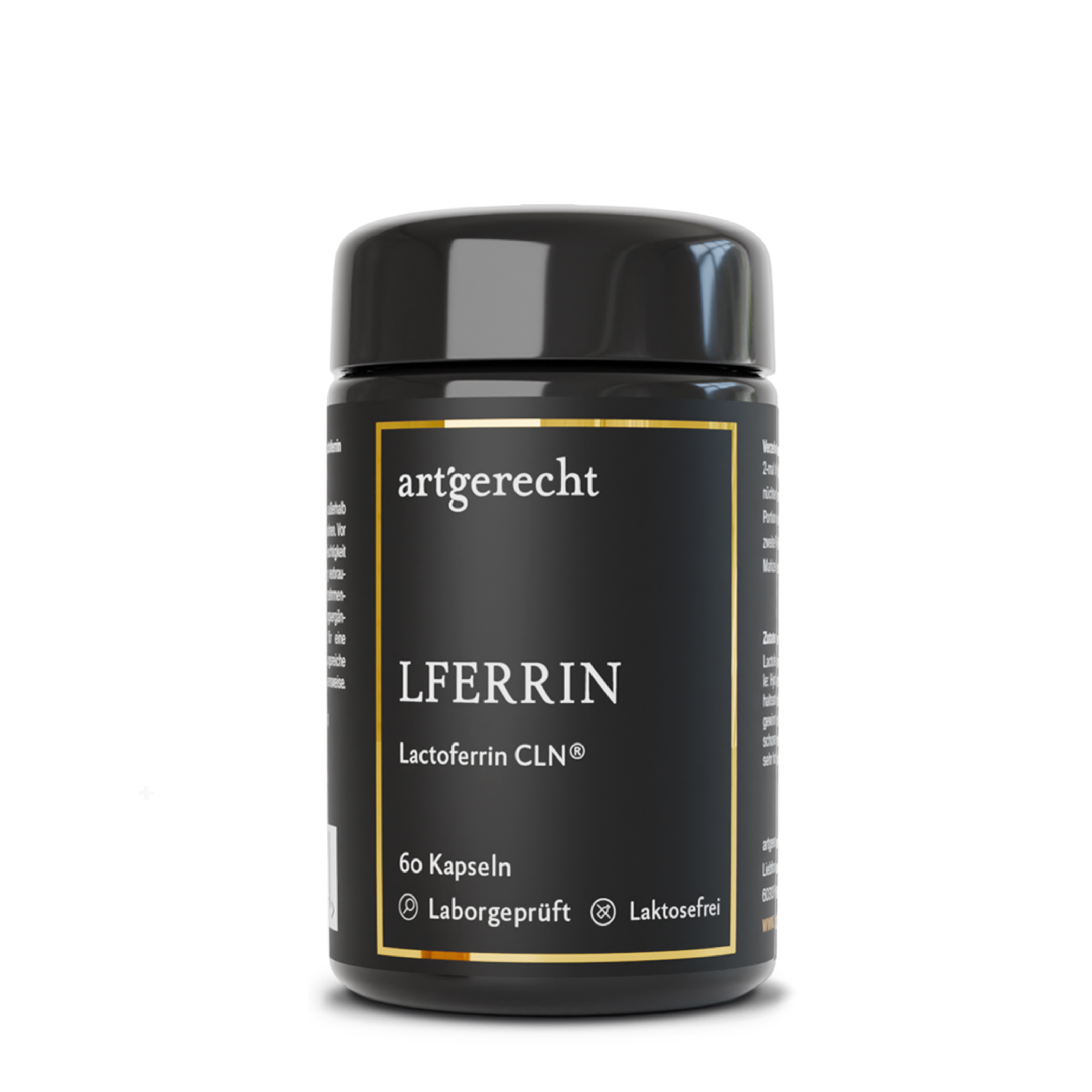
Lactoferrin
For your universal protection
As one of the most valuable proteins in the body, lactoferrin is a natural component of the immune system.[siehe Varianten]
Regular price:
€59.90
Subscription available

Natural Iron

For your iron balance
Specially formulated for your iron balance with plant-based curry leaf iron, Lactoferrin CLN®, and natural Vitamin C from rose hips.
30 Capsules
Regular price:
€35.90
Most read entries
3 Posts in this encyclopedia categoryMagnesiumcarbonat
Magnesiumcarbonat ist eine anorganische Magnesiumverbindung mit säure-neutralisierender (antazidischer) Wirkung. Erfahre mehr über Vorteile, Einsatzgebiete und Unterschiede zu besser resorbierbaren Magnesiumformen.
Calorie content
The choice of food influences our energy intake. The calorie content varies greatly - some provide little energy, others a lot.
Cologne list
The Cologne List ® is an important initiative in competitive sports that offers athletes guidance in the selection of nutritional supplements.