
-
 DE
DE



Apoptosis Regulation – Programmed Cell Death Explained
Apoptosis regulation refers to the cellular mechanisms that control and govern programmed cell death. It is essential for tissue homeostasis and plays a central role in cancer, autoimmune diseases, and neurodegeneration.
Things worth knowing about "Apoptosis Regulation"
Apoptosis regulation refers to the cellular mechanisms that control and govern programmed cell death. It is essential for tissue homeostasis and plays a central role in cancer, autoimmune diseases, and neurodegeneration.
What is Apoptosis Regulation?
Apoptosis regulation encompasses the molecular and cellular processes that initiate, maintain, or inhibit programmed cell death (apoptosis). Apoptosis is a tightly controlled, genetically encoded process in which a cell is dismantled in an orderly fashion without damaging surrounding tissue. This distinguishes it fundamentally from necrosis, which is uncontrolled cell death caused by injury or trauma.
Proper apoptosis regulation is indispensable for tissue homeostasis -- the balance between cell proliferation and cell elimination. Disruptions in this system can lead to serious diseases, including cancer, autoimmune disorders, and neurodegenerative conditions.
Mechanisms of Apoptosis Regulation
Apoptosis is initiated and regulated through two main pathways:
Intrinsic Pathway (Mitochondrial Pathway)
The intrinsic pathway is triggered by intracellular stress signals such as DNA damage, oxidative stress, or nutrient deprivation. Key regulators are proteins of the Bcl-2 family:
- Pro-apoptotic proteins (e.g., Bax, Bak, Bad): promote the release of cytochrome c from the mitochondria.
- Anti-apoptotic proteins (e.g., Bcl-2, Bcl-xL): inhibit cytochrome c release and protect the cell from death.
Once cytochrome c is released, it forms the apoptosome complex together with Apaf-1 and procaspase-9, which activates the caspase cascade.
Extrinsic Pathway (Death Receptor Pathway)
The extrinsic pathway is activated by signals from outside the cell. Specific death receptors on the cell surface -- such as Fas (CD95) or TNFR1 -- bind their ligands (e.g., FasL, TNF-alpha). This leads to the formation of the DISC (Death-Inducing Signaling Complex) and the activation of Caspase-8, which initiates apoptosis.
Caspases as Central Effectors
Caspases (cysteine proteases) are the primary executioner enzymes of apoptosis. They are activated in a cascade and selectively cleave cellular target proteins, resulting in the orderly disassembly of the cell. A distinction is made between initiator caspases (e.g., Caspase-8, Caspase-9) and effector caspases (e.g., Caspase-3, Caspase-7).
Additional Regulators of Apoptosis
- p53 (tumor suppressor protein): Detects DNA damage and can initiate apoptosis through pro-apoptotic gene expression. Mutations in the p53 gene are found in many cancers.
- IAP proteins (Inhibitor of Apoptosis Proteins): Directly inhibit caspase activity, protecting cells from programmed cell death.
- NF-κB signaling pathway: Promotes the expression of anti-apoptotic genes and plays an important role in inflammation and tumorigenesis.
- PI3K/Akt signaling pathway: Promotes cell survival by inhibiting pro-apoptotic factors.
Medical Significance
Cancer
In cancer, apoptosis regulation is frequently disrupted. Tumor cells can evade apoptosis by overexpressing anti-apoptotic proteins (e.g., Bcl-2) or inactivating pro-apoptotic factors such as p53. Many modern cancer therapies aim to restore apoptosis in tumor cells, for example through BH3 mimetics such as venetoclax, which inhibits Bcl-2.
Neurodegenerative Diseases
In conditions such as Alzheimer disease, Parkinson disease, or ALS, excessive apoptosis of nerve cells occurs. A deeper understanding of regulatory mechanisms opens potential therapeutic avenues for neuroprotection.
Autoimmune Diseases
Defects in apoptosis regulation can prevent the elimination of autoreactive immune cells, contributing to autoimmune diseases such as systemic lupus erythematosus (SLE).
Cardiovascular Diseases
Dysregulated apoptosis also plays a significant role in the loss of cardiac muscle cells during heart failure and myocardial infarction.
Clinical Relevance and Research
Apoptosis regulation is an active area of research. Targeted therapies that specifically intervene in apoptotic signaling pathways are gaining increasing importance in oncology. In addition to Bcl-2 inhibitors, caspase activators, p53 reactivators, and IAP antagonists are also being investigated in clinical trials.
References
- Elmore S. - Apoptosis: A Review of Programmed Cell Death. Toxicologic Pathology, 35(4), 495-516 (2007). PubMed PMID: 17562483.
- Hanahan D., Weinberg R.A. - Hallmarks of Cancer: The Next Generation. Cell, 144(5), 646-674 (2011). PubMed PMID: 21376230.
- Lodish H. et al. - Molecular Cell Biology, 9th Edition. W.H. Freeman and Company, 2021.

Building Blocks for a Healthy Life
As an integrated manufacturer, we develop & produce evidence-based, patented, and non-patented formulations. We work exclusively with plant and natural extracts according to the strictest purity & quality standards.
The combination of science & modern technology with the laws of nature creates solutions consistently tailored to humans – for the highest good: health.
Verwandte Produkte
Subscription available

Floral
For Healthy Oral Flora & Dental Care
Formulated lozenges with Dentalac®, lactic acid bacteria, and Lactoferrin CLN®30 lozenges
Regular price:
€22.90
Subscription available
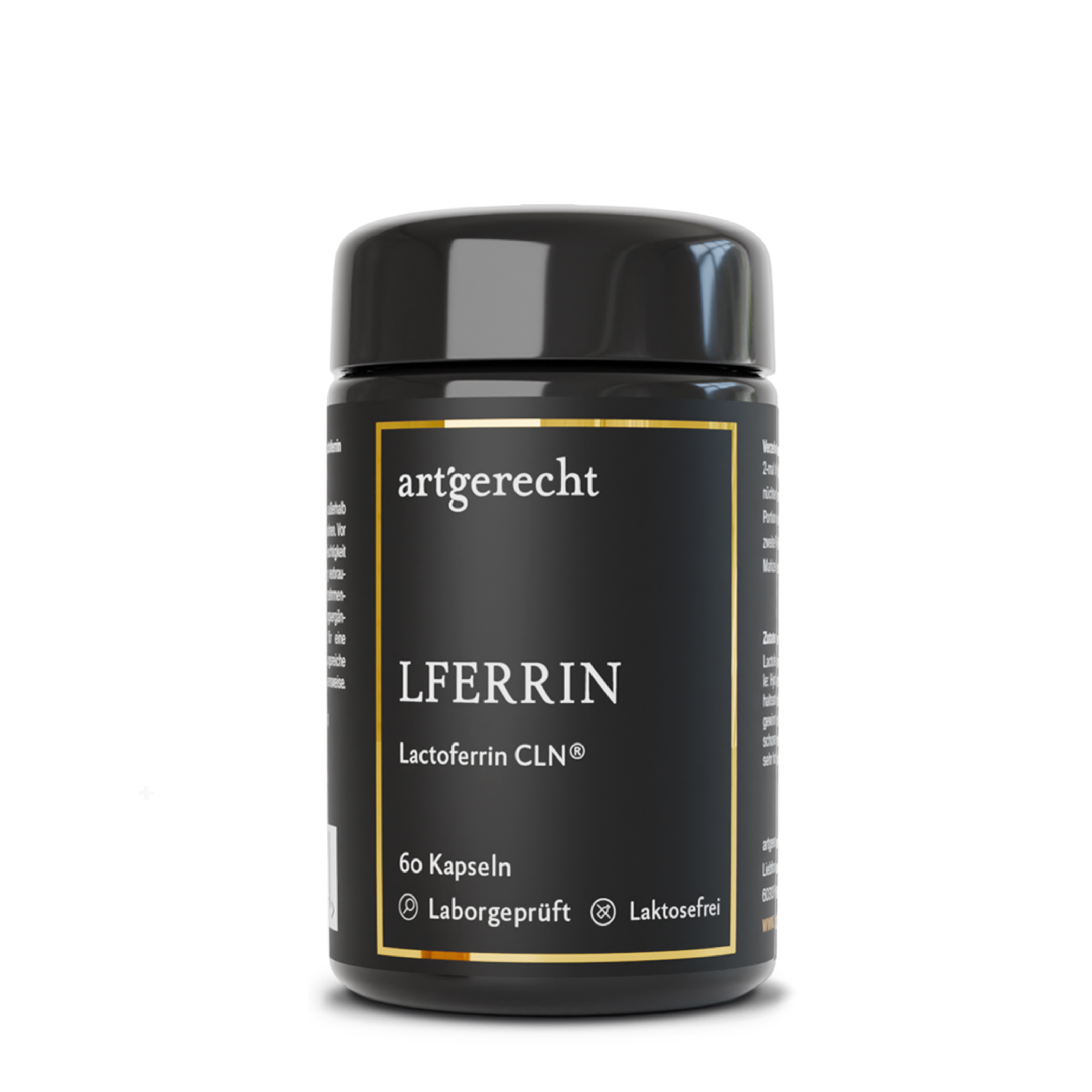
Lactoferrin
For your universal protection
As one of the most valuable proteins in the body, lactoferrin is a natural component of the immune system.[siehe Varianten]
Regular price:
€59.90
Subscription available

Natural Iron

For your iron balance
Specially formulated for your iron balance with plant-based curry leaf iron, Lactoferrin CLN®, and natural Vitamin C from rose hips.
30 Capsules
Regular price:
€35.90
Most read entries
3 Posts in this encyclopedia categoryMagnesiumcarbonat
Magnesiumcarbonat ist eine anorganische Magnesiumverbindung mit säure-neutralisierender (antazidischer) Wirkung. Erfahre mehr über Vorteile, Einsatzgebiete und Unterschiede zu besser resorbierbaren Magnesiumformen.
Calorie content
The choice of food influences our energy intake. The calorie content varies greatly - some provide little energy, others a lot.
Cologne list
The Cologne List ® is an important initiative in competitive sports that offers athletes guidance in the selection of nutritional supplements.