
-
 DE
DE



Bile Acid Balance – Importance and Health
Bile acid balance refers to the equilibrium of bile acids in the body, which is essential for healthy digestion, fat absorption, and cholesterol metabolism.
Things worth knowing about "Bile Acid Balance"
Bile acid balance refers to the equilibrium of bile acids in the body, which is essential for healthy digestion, fat absorption, and cholesterol metabolism.
What Is Bile Acid Balance?
The term bile acid balance describes the physiological equilibrium of bile acids within the human body. Bile acids are biologically active molecules synthesised in the liver from cholesterol. They play a central role in the digestion of dietary fats, the absorption of fat-soluble vitamins, and the regulation of cholesterol metabolism. A disruption of this balance can have wide-ranging consequences for overall health.
Formation and Circulation of Bile Acids
Bile acids are produced in the liver and travel via the gallbladder into the small intestine, where they emulsify dietary fats and facilitate their digestion. Approximately 95 percent of bile acids are reabsorbed in the terminal ileum (lower small intestine) and transported back to the liver via the portal vein. This process is known as the enterohepatic circulation. An intact circulation is a prerequisite for a functioning bile acid balance.
Causes of a Disrupted Bile Acid Balance
- Ileal disease: Inflammatory bowel diseases such as Crohn's disease can impair the reabsorption of bile acids.
- Liver diseases: Reduced liver function diminishes the synthesis and secretion of bile acids.
- Cholestasis: A blockage of bile flow (e.g., caused by gallstones) leads to the accumulation of bile acids in the blood.
- Dysbiosis: An imbalance of the gut microbiome affects the bacterial conversion of primary into secondary bile acids.
- Surgical procedures: Removal of the gallbladder or parts of the small intestine can permanently alter bile acid metabolism.
Symptoms of a Disrupted Bile Acid Balance
A disturbance in bile acid balance can manifest through various complaints:
- Chronic, watery diarrhoea (bile acid-induced diarrhoea)
- Fatty stools (steatorrhoea) and bloating
- Deficiency of fat-soluble vitamins (A, D, E, K)
- Itching (pruritus) due to elevated bile acid levels in the blood
- Nausea and a feeling of fullness after fatty meals
Diagnosis
Diagnostics include several methods:
- SeHCAT test: A nuclear medicine procedure to measure the reabsorption of bile acids in the intestine.
- Blood tests: Measurement of serum bile acid concentrations and liver function markers (e.g., alkaline phosphatase, bilirubin).
- Stool tests: Detection of fatty stools or bile acids in faeces.
- Imaging: Ultrasound or MRI to assess the liver, gallbladder, and bile ducts.
Treatment and Restoration of Balance
Pharmacological Therapy
When bile acid levels are insufficient, the administration of bile acid preparations (e.g., ursodeoxycholic acid) may be beneficial. In cases of excess free bile acids in the intestine, bile acid sequestrants (ion exchange resins such as cholestyramine) are used to bind and excrete the surplus bile acids.
Dietary Measures
A low-fat, high-fibre diet can help reduce the bile acid load and relieve the enterohepatic circulation. Soluble dietary fibres such as inulin or pectin bind bile acids in the intestine and promote their excretion.
Probiotics and Gut Health
A healthy gut microbiome supports the physiological conversion of primary bile acids (cholic acid, chenodeoxycholic acid) into secondary bile acids (deoxycholic acid, lithocholic acid). Probiotics can contribute to stabilising the gut flora and thereby positively influence bile acid balance.
References
- Dawson PA, Karpen SJ. Intestinal transport and metabolism of bile acids. J Lipid Res. 2015;56(6):1085-1099.
- Hofmann AF, Hagey LR. Key discoveries in bile acid chemistry and biology and their clinical applications. J Lipid Res. 2014;55(8):1553-1595.
- World Gastroenterology Organisation (WGO). Global Guidelines: Irritable Bowel Syndrome. 2015. Available at: https://www.worldgastroenterology.org

Building Blocks for a Healthy Life
As an integrated manufacturer, we develop & produce evidence-based, patented, and non-patented formulations. We work exclusively with plant and natural extracts according to the strictest purity & quality standards.
The combination of science & modern technology with the laws of nature creates solutions consistently tailored to humans – for the highest good: health.
Verwandte Produkte
Subscription available

Floral
For Healthy Oral Flora & Dental Care
Formulated lozenges with Dentalac®, lactic acid bacteria, and Lactoferrin CLN®30 lozenges
Regular price:
€22.90
Subscription available
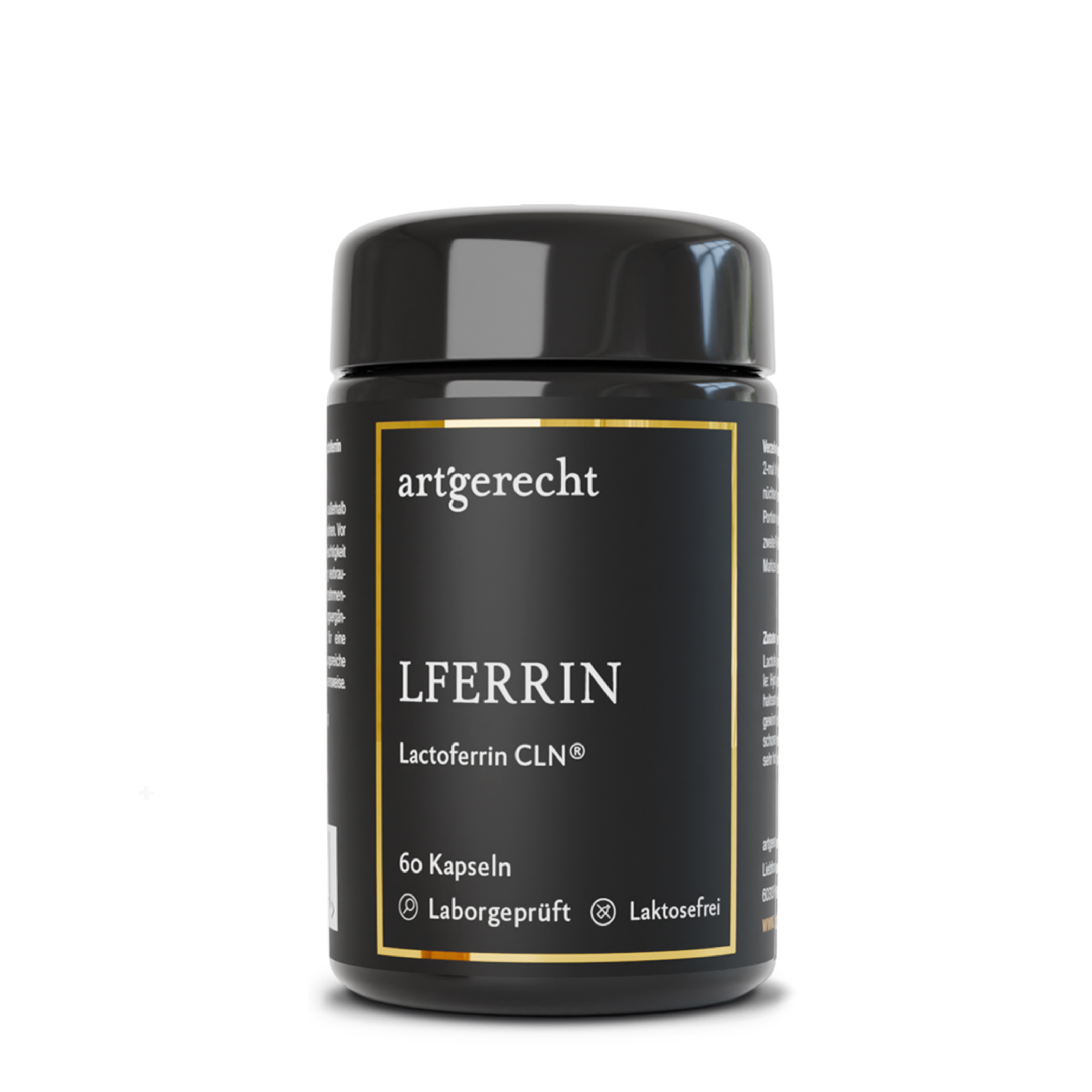
Lactoferrin
For your universal protection
As one of the most valuable proteins in the body, lactoferrin is a natural component of the immune system.[siehe Varianten]
Regular price:
€59.90
Subscription available

Natural Iron

For your iron balance
Specially formulated for your iron balance with plant-based curry leaf iron, Lactoferrin CLN®, and natural Vitamin C from rose hips.
30 Capsules
Regular price:
€35.90
Most read entries
3 Posts in this encyclopedia categoryMagnesiumcarbonat
Magnesiumcarbonat ist eine anorganische Magnesiumverbindung mit säure-neutralisierender (antazidischer) Wirkung. Erfahre mehr über Vorteile, Einsatzgebiete und Unterschiede zu besser resorbierbaren Magnesiumformen.
Calorie content
The choice of food influences our energy intake. The calorie content varies greatly - some provide little energy, others a lot.
Cologne list
The Cologne List ® is an important initiative in competitive sports that offers athletes guidance in the selection of nutritional supplements.