
-
 DE
DE



Bone Density Optimization – Tips and Strategies
Bone density optimization refers to targeted strategies to maintain and improve bone mineral density. Nutrition, exercise, and supplementation are key pillars of this approach.
Things worth knowing about "Bone Density Optimization"
Bone density optimization refers to targeted strategies to maintain and improve bone mineral density. Nutrition, exercise, and supplementation are key pillars of this approach.
What Is Bone Density Optimization?
Bone density optimization encompasses all targeted measures aimed at preserving, improving, or preventing the decline of bone mineral density. Bone density describes the amount of mineral content – primarily calcium and phosphate – present within a given volume of bone tissue. A higher bone density is a key protective factor against fractures and conditions such as osteoporosis.
Bone is not a static tissue; it undergoes continuous remodeling. Old bone material is broken down by osteoclasts, while new material is formed by osteoblasts. Bone density optimization intervenes in this balance through lifestyle, nutrition, and medical strategies.
Causes of Bone Density Loss
Several factors can contribute to a reduction in bone density:
- Calcium and vitamin D deficiency
- Hormonal changes (e.g., estrogen decline during menopause)
- Physical inactivity and sedentary lifestyle
- Chronic diseases (e.g., celiac disease, inflammatory bowel disease)
- Long-term use of certain medications (e.g., corticosteroids)
- Genetic predisposition and advancing age
- Underweight and malnutrition
- Smoking and excessive alcohol consumption
Strategies for Bone Density Optimization
Nutrition
A balanced diet is the foundation for healthy bones. The most important nutrients include:
- Calcium: The primary mineral for bone formation. The WHO recommends 1,000 mg per day for adults. Rich sources include dairy products, broccoli, kale, sesame seeds, and calcium-rich mineral water.
- Vitamin D: Promotes calcium absorption in the intestine and is essential for bone metabolism. A daily intake of 800 IU is generally recommended for adults; higher doses may be appropriate under medical supervision when deficiency is confirmed.
- Vitamin K2: Helps direct calcium into the bones and prevents its deposition in blood vessels.
- Magnesium: Involved in vitamin D activation and bone formation.
- Protein: Adequate protein intake supports bone structure, particularly in older adults.
Physical Activity
Mechanical loading is a critical stimulus for bone formation. Recommended activities include:
- Resistance training: Directly loads the skeleton and stimulates osteoblast activity.
- Weight-bearing aerobic exercise: Running, hiking, dancing, and stair climbing are effective options.
- Balance and coordination training: Reduces the risk of falls and therefore the risk of fractures.
Supplementation
Targeted supplementation can be beneficial when deficiencies are confirmed or risk is elevated. Commonly used supplements include calcium, vitamin D3, vitamin K2, and magnesium. Dosage should be individualized and ideally determined in consultation with a healthcare professional.
Medical Treatment
For individuals diagnosed with osteoporosis or with very low bone density scores, pharmaceutical options are available by prescription:
- Bisphosphonates (e.g., alendronate, risedronate): Inhibit osteoclast-mediated bone resorption.
- Denosumab: A monoclonal antibody that reduces bone breakdown.
- Teriparatide: A parathyroid hormone analogue that stimulates new bone formation.
- Hormone replacement therapy: Can slow hormone-related bone loss during menopause.
Diagnosing Bone Density
Bone mineral density is standardly measured using DXA scanning (dual-energy X-ray absorptiometry), which assesses the spine and hip. Results are reported as a T-score: a score below -2.5 indicates osteoporosis, while a score between -1.0 and -2.5 indicates osteopenia (a precursor to osteoporosis).
Additional laboratory tests – including serum calcium, vitamin D, parathyroid hormone, and bone turnover markers – can provide further clinical insight.
Risk Groups and Prevention
Those at greatest risk for bone density loss include:
- Postmenopausal women
- Adults aged 65 and older
- Individuals with chronic diseases or malabsorption syndromes
- Those on long-term corticosteroid therapy
- Underweight individuals and those with eating disorders
Early prevention – ideally beginning in young adulthood – is essential, as peak bone mass is reached between the ages of 25 and 30. The higher the bone mass achieved during this phase, the greater the protection against bone loss later in life.
References
- Kanis J. A. et al. – European guidance for the diagnosis and management of osteoporosis in postmenopausal women. Osteoporosis International, 2019.
- World Health Organization (WHO) – Assessment of Osteoporosis at the Primary Health Care Level. WHO Press, 2004.
- National Institutes of Health (NIH) – Calcium and Vitamin D: Important for Bone Health. Office of Dietary Supplements, 2023. ods.od.nih.gov

Building Blocks for a Healthy Life
As an integrated manufacturer, we develop & produce evidence-based, patented, and non-patented formulations. We work exclusively with plant and natural extracts according to the strictest purity & quality standards.
The combination of science & modern technology with the laws of nature creates solutions consistently tailored to humans – for the highest good: health.
Verwandte Produkte
Subscription available

Floral
For Healthy Oral Flora & Dental Care
Formulated lozenges with Dentalac®, lactic acid bacteria, and Lactoferrin CLN®30 lozenges
Regular price:
€22.90
Subscription available
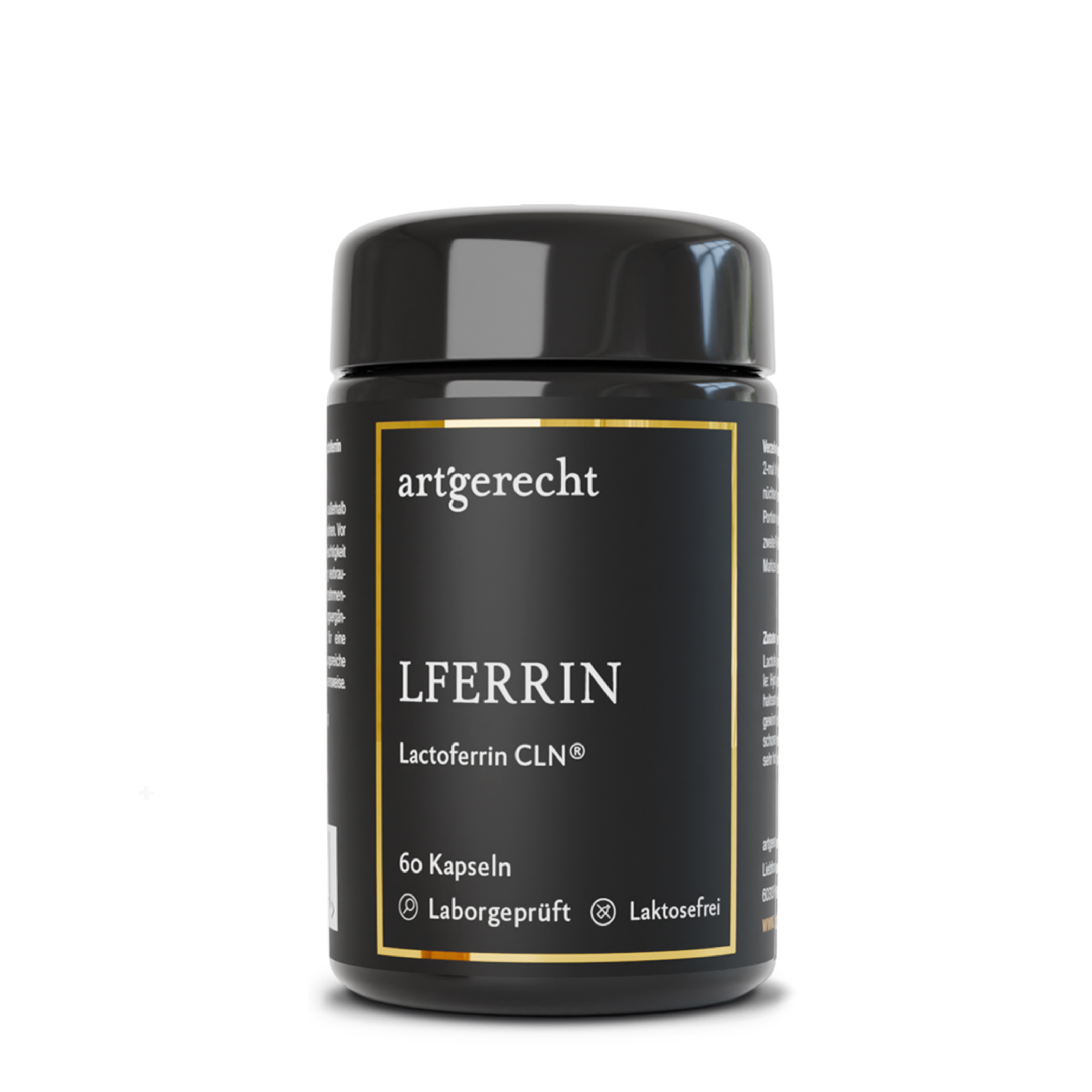
Lactoferrin
For your universal protection
As one of the most valuable proteins in the body, lactoferrin is a natural component of the immune system.[siehe Varianten]
Regular price:
€59.90
Subscription available

Natural Iron

For your iron balance
Specially formulated for your iron balance with plant-based curry leaf iron, Lactoferrin CLN®, and natural Vitamin C from rose hips.
30 Capsules
Regular price:
€35.90
Most read entries
3 Posts in this encyclopedia categoryMagnesiumcarbonat
Magnesiumcarbonat ist eine anorganische Magnesiumverbindung mit säure-neutralisierender (antazidischer) Wirkung. Erfahre mehr über Vorteile, Einsatzgebiete und Unterschiede zu besser resorbierbaren Magnesiumformen.
Calorie content
The choice of food influences our energy intake. The calorie content varies greatly - some provide little energy, others a lot.
Cologne list
The Cologne List ® is an important initiative in competitive sports that offers athletes guidance in the selection of nutritional supplements.