
-
 DE
DE



Cell Membrane Optimization Protocol – Explained
The cell membrane optimization protocol is a nutritional medicine concept aimed at improving cell membrane structure and function through targeted nutrients such as omega-3 fatty acids and phospholipids.
Things worth knowing about "Cell Membrane Optimization Protocol"
The cell membrane optimization protocol is a nutritional medicine concept aimed at improving cell membrane structure and function through targeted nutrients such as omega-3 fatty acids and phospholipids.
What is the Cell Membrane Optimization Protocol?
The cell membrane optimization protocol is a functional and nutritional medicine concept designed to systematically improve the structure and function of cell membranes throughout the human body. Every cell in the body is surrounded by a cell membrane that acts as a biological barrier and communication hub. The quality of this membrane influences virtually all cellular functions – from energy production to signal transmission between cells.
The protocol is primarily applied within Functional Medicine, Orthomolecular Medicine, and integrative health approaches. It combines targeted supplementation, dietary adjustments, and lifestyle modifications to promote the integrity and flexibility of cell membranes.
Structure and Function of the Cell Membrane
The cell membrane is composed mainly of a phospholipid bilayer into which proteins, cholesterol, and other molecules are embedded. This structure enables the cell to:
- Absorb nutrients and excrete waste products
- Receive signals from hormones and neurotransmitters
- Regulate the intracellular environment
- Communicate with other cells
- Provide protection against toxins and oxidative stress
The fatty acid composition of membrane phospholipids largely determines the fluidity (flexibility) of the membrane. A membrane that is too rigid or too permeable can promote cellular dysfunction, which has been linked to a wide range of chronic diseases.
Goals of the Protocol
The cell membrane optimization protocol pursues several therapeutic goals:
- Improving membrane fluidity through the supply of appropriate fatty acids
- Reducing pro-inflammatory fatty acids in the membrane structure
- Strengthening membrane integrity to protect against oxidative stress
- Optimizing receptor function for hormones and neurotransmitters
- Supporting mitochondrial function and energy production
Key Nutrients in the Protocol
Omega-3 Fatty Acids
Omega-3 fatty acids – particularly EPA (eicosapentaenoic acid) and DHA (docosahexaenoic acid) – are the central building blocks of the cell membrane optimization protocol. They are incorporated into the phospholipid bilayer, increasing membrane fluidity, promoting anti-inflammatory processes, and improving signal transduction. Sources include fatty sea fish, algae oil, and high-quality fish oil supplements.
Phospholipids
Phosphatidylcholine and phosphatidylserine are essential phospholipids that serve as direct structural components of the cell membrane. Phosphatidylcholine is the most abundant phospholipid type in mammalian cells and supports membrane structure as well as liver function. Phosphatidylserine plays an important role in neuronal communication and cognitive function. Both substances are available as dietary supplements and occur naturally in foods such as eggs, soy, and meat.
Antioxidants
Since cell membranes are susceptible to lipid peroxidation (oxidative damage to membrane fats), antioxidants such as Vitamin E, Vitamin C, Coenzyme Q10, and Astaxanthin are integrated into the protocol. They protect membrane fatty acids from oxidative degradation, thereby preserving membrane integrity.
Magnesium and Electrolytes
Magnesium is involved in more than 300 enzymatic reactions and acts as a cofactor for membrane-bound ion pumps. An adequate magnesium supply is essential for maintaining electrochemical gradients across the cell membrane.
Cholesterol and Saturated Fatty Acids
Although often viewed negatively, cholesterol is an important component of the cell membrane and regulates its fluidity and stability. Within the protocol, a balanced fatty acid intake is recommended – neither too many saturated nor too many polyunsaturated fatty acids – to achieve the optimal balance in membrane structure.
Dietary Recommendations
The protocol typically recommends the following dietary strategies:
- Increasing intake of fatty sea fish (salmon, mackerel, herring) or algae oil supplements
- Reducing trans fatty acids and highly processed foods
- Adequate intake of fresh vegetables and antioxidants
- Moderate consumption of eggs and legumes as phospholipid sources
- Preference for cold-pressed plant oils (e.g. olive oil, linseed oil)
Areas of Application
The cell membrane optimization protocol is used in integrative and functional medicine concepts for various health conditions, including:
- Chronic fatigue and fatigue syndromes
- Neurodegenerative diseases and cognitive impairment
- Chronic inflammatory conditions
- Metabolic disorders and insulin resistance
- Psychiatric conditions such as depression and ADHD
- Cardiovascular diseases
Scientific Evidence
The scientific foundation of the protocol is based on a wide range of individual studies on the nutrients it contains. For omega-3 fatty acids, the evidence regarding cardiovascular and anti-inflammatory effects is particularly well documented. Studies on phosphatidylserine demonstrate improvements in cognitive function, especially in older adults. However, the overall concept of the cell membrane optimization protocol as an integrative therapeutic approach has not yet been evaluated as a complete package in large randomized controlled trials. Patients should therefore always apply the protocol in consultation with a qualified physician or nutritional medicine specialist.
References
- Simopoulos AP. - The importance of the ratio of omega-6/omega-3 essential fatty acids. Biomedicine and Pharmacotherapy, 2002.
- Glade MJ, Smith K. - Phosphatidylserine and the human brain. Nutrition, 2015; 31(6):781-786.
- Houtkooper RH, Vaz FM. - Cardiolipin, the heart of mitochondrial metabolism. Cellular and Molecular Life Sciences, 2008.

Building Blocks for a Healthy Life
As an integrated manufacturer, we develop & produce evidence-based, patented, and non-patented formulations. We work exclusively with plant and natural extracts according to the strictest purity & quality standards.
The combination of science & modern technology with the laws of nature creates solutions consistently tailored to humans – for the highest good: health.
Verwandte Produkte
Subscription available

Floral
For Healthy Oral Flora & Dental Care
Formulated lozenges with Dentalac®, lactic acid bacteria, and Lactoferrin CLN®30 lozenges
Regular price:
€22.90
Subscription available
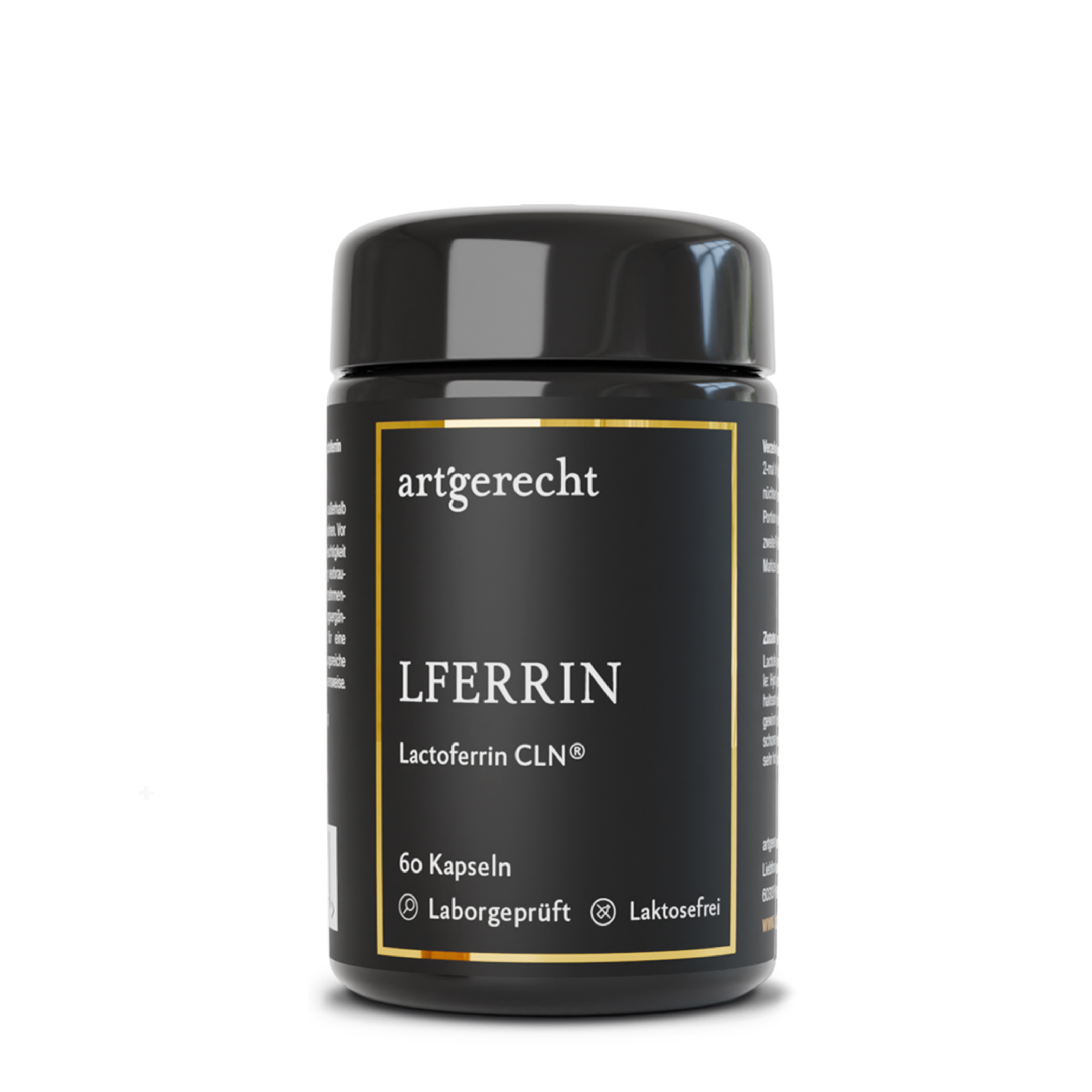
Lactoferrin
For your universal protection
As one of the most valuable proteins in the body, lactoferrin is a natural component of the immune system.[siehe Varianten]
Regular price:
€59.90
Subscription available

Natural Iron

For your iron balance
Specially formulated for your iron balance with plant-based curry leaf iron, Lactoferrin CLN®, and natural Vitamin C from rose hips.
30 Capsules
Regular price:
€35.90
Most read entries
3 Posts in this encyclopedia categoryMagnesiumcarbonat
Magnesiumcarbonat ist eine anorganische Magnesiumverbindung mit säure-neutralisierender (antazidischer) Wirkung. Erfahre mehr über Vorteile, Einsatzgebiete und Unterschiede zu besser resorbierbaren Magnesiumformen.
Calorie content
The choice of food influences our energy intake. The calorie content varies greatly - some provide little energy, others a lot.
Cologne list
The Cologne List ® is an important initiative in competitive sports that offers athletes guidance in the selection of nutritional supplements.