
-
 DE
DE



Cell Protection Factor – Definition and Importance
The cell protection factor describes the ability of certain nutrients or substances to shield body cells from harmful influences such as oxidative stress.
Things worth knowing about "Cell Protection Factor"
The cell protection factor describes the ability of certain nutrients or substances to shield body cells from harmful influences such as oxidative stress.
What Is the Cell Protection Factor?
The term cell protection factor refers to the protective potential of specific nutrients, vitamins, minerals, or bioactive plant compounds against damaging influences on human body cells. Central to this concept is protection against oxidative stress – an imbalance between free radicals and the body´s own defence mechanisms. A high cell protection factor is considered an indicator of the antioxidant and regenerative potential of a substance.
Biological Background
Body cells are exposed daily to numerous harmful influences, including UV radiation, environmental toxins, inflammatory processes, and metabolic by-products. These generate free radicals – highly reactive molecules that can damage cell membranes, proteins, and DNA. The body has its own protective mechanisms, such as the enzyme superoxide dismutase (SOD) and glutathione. Nutrients with a high cell protection factor support and complement these endogenous systems.
Substances with a High Cell Protection Factor
- Vitamin C (ascorbic acid): A water-soluble antioxidant that neutralises free radicals in the aqueous cell environment.
- Vitamin E (tocopherol): A fat-soluble antioxidant that protects cell membranes from lipid peroxidation.
- Selenium: A trace element and essential component of antioxidant enzymes such as glutathione peroxidase.
- Zinc: Supports the function of superoxide dismutase and strengthens immune defence.
- Coenzyme Q10: A fat-soluble compound that protects mitochondria from oxidative damage.
- Polyphenols and flavonoids: Plant secondary metabolites (e.g. in berries, green tea, grape seed extract) that scavenge free radicals.
- Beta-carotene: A precursor to vitamin A with antioxidant properties that protects skin cells.
- Astaxanthin: One of the most potent known antioxidants, derived from microalgae.
Clinical Relevance
A sufficiently high cell protection factor is associated with a wide range of health benefits. Studies indicate that adequate intake of antioxidant nutrients can reduce the risk of chronic diseases such as cardiovascular disease, certain cancers, and neurodegenerative conditions (e.g. Alzheimer's disease). Skin ageing is also accelerated by oxidative stress – substances with a high cell protection factor may help slow this process.
Cell Protection Factor in Supplements and Nutrition
In the food industry and among dietary supplements, the term cell protection factor is frequently used to describe the content of antioxidant substances. A balanced diet rich in fruits, vegetables, nuts, and whole grains generally provides sufficient cell-protective compounds. In cases of elevated need – such as from intensive exercise, smoking, stress, or illness – targeted supplementation may be beneficial.
Measuring the Cell Protection Factor
The cell protection factor or antioxidant potential of a substance or food can be measured using various laboratory methods, including the ORAC value (Oxygen Radical Absorbance Capacity) and the DPPH assay. These methods indicate how effectively a substance neutralises free radicals.
References
- Lobo, V. et al. (2010): Free radicals, antioxidants and functional foods: Impact on human health. Pharmacognosy Reviews, 4(8), 118–126. PubMed PMID: 22228951.
- World Health Organization (WHO): Diet, nutrition and the prevention of chronic diseases. WHO Technical Report Series, No. 916. Geneva, 2003.
- Biesalski, H.K. et al. (2017): Pocket Atlas of Nutrition. 7th edition. Thieme Verlag, Stuttgart.

Building Blocks for a Healthy Life
As an integrated manufacturer, we develop & produce evidence-based, patented, and non-patented formulations. We work exclusively with plant and natural extracts according to the strictest purity & quality standards.
The combination of science & modern technology with the laws of nature creates solutions consistently tailored to humans – for the highest good: health.
Verwandte Produkte
Subscription available

Floral
For Healthy Oral Flora & Dental Care
Formulated lozenges with Dentalac®, lactic acid bacteria, and Lactoferrin CLN®30 lozenges
Regular price:
€22.90
Subscription available
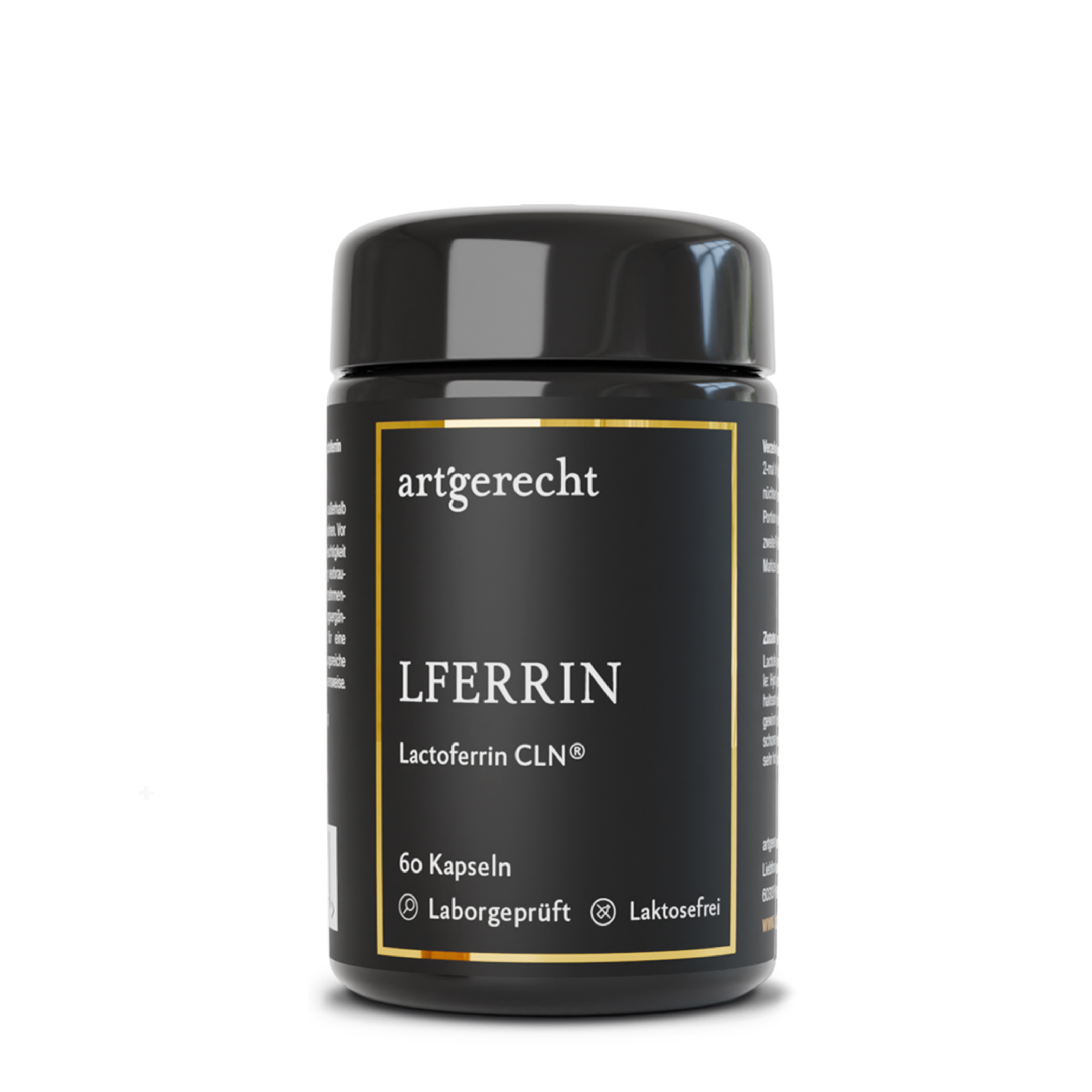
Lactoferrin
For your universal protection
As one of the most valuable proteins in the body, lactoferrin is a natural component of the immune system.[siehe Varianten]
Regular price:
€59.90
Subscription available

Natural Iron

For your iron balance
Specially formulated for your iron balance with plant-based curry leaf iron, Lactoferrin CLN®, and natural Vitamin C from rose hips.
30 Capsules
Regular price:
€35.90
Most read entries
3 Posts in this encyclopedia categoryMagnesiumcarbonat
Magnesiumcarbonat ist eine anorganische Magnesiumverbindung mit säure-neutralisierender (antazidischer) Wirkung. Erfahre mehr über Vorteile, Einsatzgebiete und Unterschiede zu besser resorbierbaren Magnesiumformen.
Calorie content
The choice of food influences our energy intake. The calorie content varies greatly - some provide little energy, others a lot.
Cologne list
The Cologne List ® is an important initiative in competitive sports that offers athletes guidance in the selection of nutritional supplements.