
-
 DE
DE



Elimination Diet – Definition and Application
An elimination diet is a diagnostic nutritional approach in which specific foods are temporarily removed from the diet to identify food intolerances, allergies, or sensitivities.
Things worth knowing about "Elimination Diet"
An elimination diet is a diagnostic nutritional approach in which specific foods are temporarily removed from the diet to identify food intolerances, allergies, or sensitivities.
What Is an Elimination Diet?
An elimination diet is a structured nutritional protocol designed to identify food intolerances, food allergies, or hypersensitivity reactions to specific foods or food groups. During this process, suspected trigger foods are completely removed from the diet for a set period of time. Afterwards, the eliminated foods are gradually reintroduced one at a time, and the body´s response is carefully observed.
The elimination diet is considered one of the most reliable methods for diagnosing food intolerances, as many of these reactions are difficult to detect through conventional blood tests alone.
When Is an Elimination Diet Used?
An elimination diet is commonly recommended in cases of:
- Suspected food allergies (e.g., to gluten, dairy, eggs, nuts, or soy)
- Food intolerances such as lactose intolerance, fructose malabsorption, or histamine intolerance
- Chronic gastrointestinal complaints such as irritable bowel syndrome (IBS)
- Skin conditions such as atopic dermatitis (eczema) or chronic urticaria (hives)
- Chronic headaches or migraines potentially triggered by dietary factors
- Inflammatory conditions where a dietary connection is suspected
How an Elimination Diet Works
Phase 1: Elimination Phase
In the first phase, all suspected foods are completely avoided for a period of typically 2 to 6 weeks. The most commonly eliminated food groups include:
- Gluten (wheat, rye, barley)
- Dairy products
- Eggs
- Soy
- Nuts and peanuts
- Fish and shellfish
- Corn
- Legumes
- Alcohol, caffeine, and processed foods
During this phase, careful documentation of symptoms and overall well-being is essential, ideally through a food and symptom diary.
Phase 2: Reintroduction Phase (Challenge Phase)
After the elimination phase, the removed foods are reintroduced one at a time and in a controlled manner. An interval of 2 to 3 days per food item is generally recommended to allow sufficient time to observe and attribute any potential reactions, such as bloating, skin rashes, headaches, or digestive discomfort.
Phase 3: Evaluation and Long-Term Dietary Adjustment
Based on the observations from phases 1 and 2, an individualized dietary plan is created that permanently or long-term excludes the identified trigger foods. Professional nutritional guidance during this phase is particularly important to ensure a balanced and adequate nutrient intake.
Risks and Limitations
The elimination diet is generally considered safe, but it should always be carried out under medical or dietetic supervision. Potential risks include:
- Nutritional deficiencies: Excluding entire food groups may lead to insufficient intake of key nutrients such as calcium, iron, or B vitamins.
- Social challenges: Adhering strictly to the diet can be demanding in everyday life and at social events.
- Misinterpretation of results: Without professional guidance, results can be misinterpreted, potentially leading to unnecessary long-term dietary restrictions.
- Not suitable for eating disorders: For individuals with a history of eating disorders, the elimination diet should only be applied with great caution and therapeutic support.
Scientific Evidence
The elimination diet is well-supported by scientific evidence, particularly for diagnosing and managing irritable bowel syndrome (IBS), eosinophilic esophagitis, and various food allergies. Research indicates that a properly conducted elimination diet can lead to significant symptom improvement in many patients. However, it is not a substitute for a comprehensive allergological or gastroenterological evaluation.
References
- Turnbull, J. L., Adams, H. N., Gorard, D. A. (2015). Review article: the diagnosis and management of food allergy and food intolerances. Alimentary Pharmacology and Therapeutics, 41(1), 3-25.
- Molina-Infante, J., et al. (2014). Step-up empiric elimination diet for pediatric and adult eosinophilic oesophagitis. Alimentary Pharmacology and Therapeutics, 39(1), 22-32.
- World Gastroenterology Organisation (WGO) (2012). WGO Global Guidelines: Food Allergy. Available at: https://www.worldgastroenterology.org

Building Blocks for a Healthy Life
As an integrated manufacturer, we develop & produce evidence-based, patented, and non-patented formulations. We work exclusively with plant and natural extracts according to the strictest purity & quality standards.
The combination of science & modern technology with the laws of nature creates solutions consistently tailored to humans – for the highest good: health.
Verwandte Produkte
Subscription available

Floral
For Healthy Oral Flora & Dental Care
Formulated lozenges with Dentalac®, lactic acid bacteria, and Lactoferrin CLN®30 lozenges
Regular price:
€22.90
Subscription available
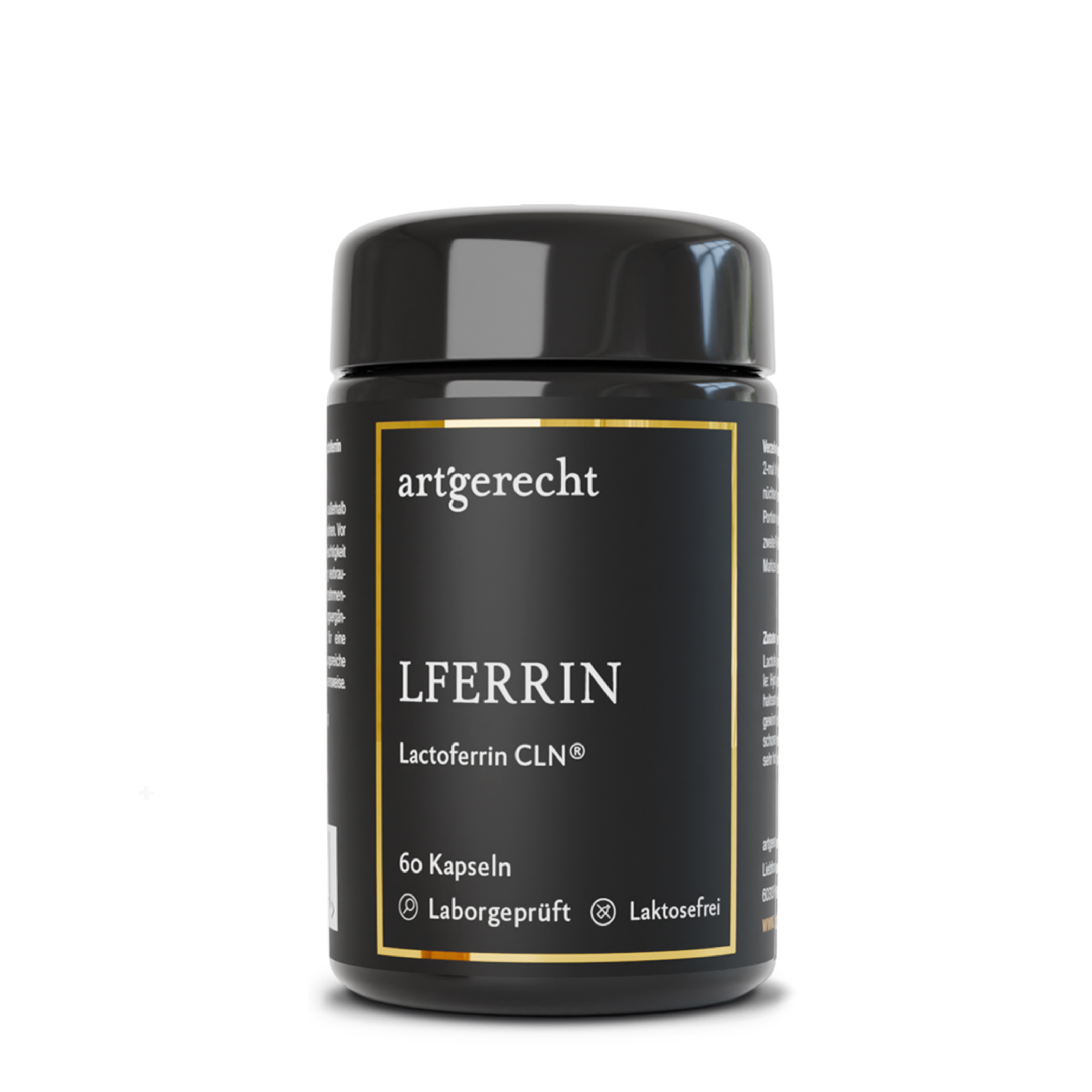
Lactoferrin
For your universal protection
As one of the most valuable proteins in the body, lactoferrin is a natural component of the immune system.[siehe Varianten]
Regular price:
€59.90
Subscription available

Natural Iron

For your iron balance
Specially formulated for your iron balance with plant-based curry leaf iron, Lactoferrin CLN®, and natural Vitamin C from rose hips.
30 Capsules
Regular price:
€35.90
Most read entries
3 Posts in this encyclopedia categoryMagnesiumcarbonat
Magnesiumcarbonat ist eine anorganische Magnesiumverbindung mit säure-neutralisierender (antazidischer) Wirkung. Erfahre mehr über Vorteile, Einsatzgebiete und Unterschiede zu besser resorbierbaren Magnesiumformen.
Calorie content
The choice of food influences our energy intake. The calorie content varies greatly - some provide little energy, others a lot.
Cologne list
The Cologne List ® is an important initiative in competitive sports that offers athletes guidance in the selection of nutritional supplements.