


Hyphema – Blood in the Eye Explained
A hyphema is a collection of blood in the anterior chamber of the eye, most often caused by trauma. Prompt medical evaluation is essential to protect vision.
Things worth knowing about "Hyphema"
A hyphema is a collection of blood in the anterior chamber of the eye, most often caused by trauma. Prompt medical evaluation is essential to protect vision.
What Is a Hyphema?
A hyphema refers to the accumulation of blood in the anterior chamber of the eye – the fluid-filled space between the cornea and the iris. The blood typically originates from torn blood vessels in the iris or the ciliary body. Depending on the extent of the bleeding, the anterior chamber may be partially or completely filled with blood. A completely blood-filled anterior chamber is known as a total hyphema or “8-ball hyphema.”
Causes
The most common cause of a hyphema is blunt trauma to the eye, such as injuries sustained during sports, physical altercations, or motor vehicle accidents. Other possible causes include:
- Penetrating eye injuries (e.g., from sharp objects)
- Postoperative bleeding following eye surgery (e.g., cataract surgery)
- Coagulation disorders or anticoagulant medications (e.g., warfarin, aspirin)
- Sickle cell disease
- Iris neovascularization (rubeosis iridis) associated with diabetes or other conditions
- Ocular tumors (rare)
Symptoms
Common signs and symptoms of a hyphema include:
- A visible red or dark red layer of blood in the eye
- Blurred vision or partial to complete vision loss (depending on the size of the bleed)
- Eye pain or a sensation of pressure
- Sensitivity to light (photophobia)
- Elevated intraocular pressure, which raises the risk of glaucoma
Grades of Severity
Hyphema is clinically classified into four grades:
- Grade I: Blood fills less than one-third of the anterior chamber
- Grade II: Blood fills between one-third and one-half of the anterior chamber
- Grade III: Blood fills more than half, but not the entire anterior chamber
- Grade IV: Total hyphema (entire anterior chamber filled with blood)
Diagnosis
Diagnosis is typically made by an ophthalmologist using the following methods:
- Slit-lamp examination: Detailed assessment of the anterior chamber and the extent of bleeding
- Tonometry: Measurement of intraocular pressure to detect potentially dangerous elevations
- Fundoscopy: Examination of the posterior segment to identify associated injuries
- Imaging (ultrasound, CT scan): Used when additional ocular or orbital injuries are suspected
Treatment
Treatment depends on the grade of the hyphema and any associated conditions:
Conservative Management
- Bed rest with the head elevated at approximately 30 degrees to encourage blood settling
- Eye protection using a shield or protective glasses
- Eye drops to lower intraocular pressure (e.g., beta-blockers, carbonic anhydrase inhibitors)
- Corticosteroid eye drops to reduce inflammation
- Avoidance of aspirin and non-steroidal anti-inflammatory drugs (NSAIDs), which increase bleeding risk
Surgical Treatment
If intraocular pressure remains elevated, if corneal blood staining is at risk of occurring, or if the blood does not reabsorb adequately, surgical intervention may be required. This typically involves anterior chamber washout (irrigation) to remove the accumulated blood.
Complications
Without appropriate management, hyphema can lead to serious complications:
- Secondary glaucoma due to obstruction of aqueous humor drainage
- Corneal blood staining from hematin deposits, causing corneal opacity
- Rebleeding, which is most likely to occur within the first 3 to 5 days
- Permanent vision loss
References
- Yanoff M, Duker JS. Ophthalmology. 5th ed. Elsevier; 2019.
- Walton W, Von Hagen S, Grigorian R, Zarbin M. Management of traumatic hyphema. Survey of Ophthalmology. 2002;47(4):297–334.
- American Academy of Ophthalmology. Hyphema – Preferred Practice Pattern. AAO Guidelines; 2021. Available at: https://www.aao.org

Building Blocks for a Healthy Life
As an integrated manufacturer, we develop & produce evidence-based, patented, and non-patented formulations. We work exclusively with plant and natural extracts according to the strictest purity & quality standards.
The combination of science & modern technology with the laws of nature creates solutions consistently tailored to humans – for the highest good: health.
Verwandte Produkte

For Healthy Oral Flora & Dental Care
Formulated lozenges with Dentalac®, lactic acid bacteria, and Lactoferrin CLN®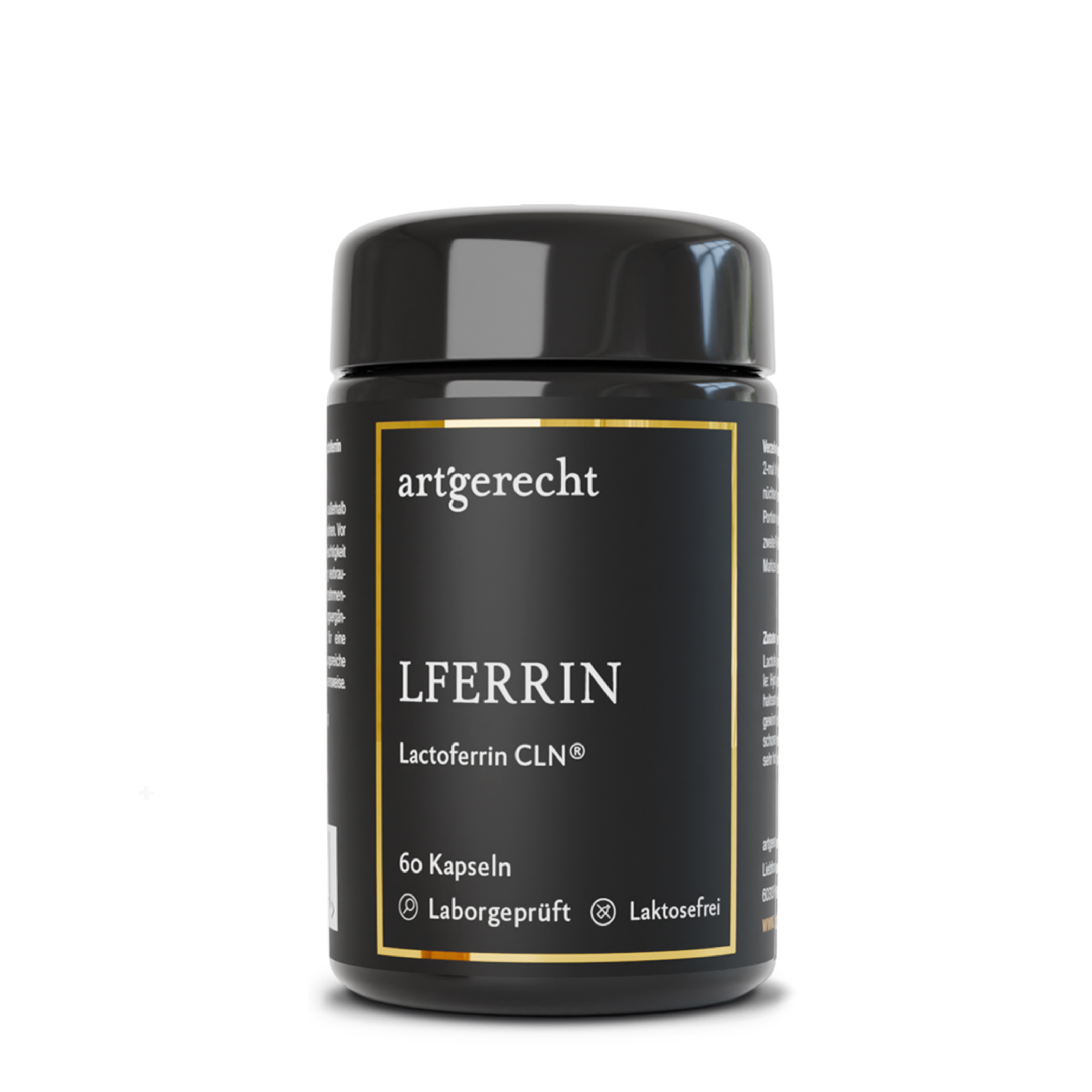
For your universal protection
As one of the most valuable proteins in the body, lactoferrin is a natural component of the immune system.
For your iron balance
Specially formulated for your iron balance with plant-based curry leaf iron, Lactoferrin CLN®, and natural Vitamin C from rose hips.