
-
 DE
DE



Immune Defense – How the Immune System Works
Immune defense refers to the body´s ability to detect and fight pathogens such as bacteria, viruses, and fungi. It is regulated by the immune system.
Things worth knowing about "Immune Defense"
Immune defense refers to the body´s ability to detect and fight pathogens such as bacteria, viruses, and fungi. It is regulated by the immune system.
What Is Immune Defense?
Immune defense encompasses all the mechanisms the body uses to detect, combat, and neutralize invading pathogens such as bacteria, viruses, fungi, and parasites. It is a central function of the immune system and protects the body from infectious diseases.
Components of Immune Defense
Innate Immune Defense
The innate immune defense is the body´s first line of defense. It responds rapidly and non-specifically to pathogens. Key components include:
- Physical barriers: The skin and mucous membranes prevent pathogens from entering the body.
- Phagocytes: Cells such as macrophages and neutrophils engulf and destroy pathogens.
- Inflammatory response: A local immune reaction that contains pathogens and recruits additional immune cells.
- Complement system: A group of blood proteins that can directly attack and destroy pathogens.
Adaptive Immune Defense
The adaptive (acquired) immune defense develops over a lifetime and responds specifically to particular pathogens. It includes:
- B lymphocytes: Produce antibodies that specifically neutralize pathogens.
- T lymphocytes: Recognize and destroy infected cells and coordinate the immune response.
- Immunological memory: After overcoming an infection or receiving a vaccination, the immune system remembers the pathogen and can respond more rapidly upon future exposure.
Factors That Influence Immune Defense
The strength of immune defense is influenced by many factors:
- Nutrition: A balanced diet rich in vitamins (e.g., vitamin C, vitamin D) and minerals (e.g., zinc, selenium) is essential for a well-functioning immune system.
- Sleep: Adequate sleep supports the regeneration and activity of immune cells.
- Physical activity: Regular moderate exercise strengthens the immune system.
- Stress: Chronic stress weakens immune defense, as stress hormones such as cortisol can have immunosuppressive effects.
- Age: Immune function declines with advanced age, a process known as immunosenescence.
- Underlying conditions: Diseases such as diabetes mellitus or HIV can significantly impair immune defense.
Disorders of Immune Defense
When immune defense is insufficient, this is referred to as an immunodeficiency. It can be congenital (primary) or acquired (secondary). Common causes of a weakened immune defense include:
- Malnutrition or nutrient deficiencies
- Chronic diseases (e.g., diabetes, kidney failure)
- Immunosuppressive therapies (e.g., after organ transplantation or for autoimmune conditions)
- HIV infection
- Severe or prolonged stress
Strengthening Immune Defense
A healthy lifestyle forms the foundation of a strong immune defense. The following measures can support the immune system:
- A balanced, nutrient-rich diet
- Adequate sleep (7 to 9 hours per night for adults)
- Regular physical activity
- Stress reduction (e.g., through relaxation techniques)
- Avoiding smoking and excessive alcohol consumption
- Vaccinations to specifically enhance the adaptive immune response
References
- World Health Organization (WHO): Immunization and vaccines. who.int, 2023.
- Janeway CA Jr, Travers P, Walport M et al.: Immunobiology: The Immune System in Health and Disease. 9th edition, Garland Science, 2022.
- Robert Koch Institute (RKI): Infection protection and the immune system. rki.de, 2023.

Building Blocks for a Healthy Life
As an integrated manufacturer, we develop & produce evidence-based, patented, and non-patented formulations. We work exclusively with plant and natural extracts according to the strictest purity & quality standards.
The combination of science & modern technology with the laws of nature creates solutions consistently tailored to humans – for the highest good: health.
Verwandte Produkte
Subscription available

Floral
For Healthy Oral Flora & Dental Care
Formulated lozenges with Dentalac®, lactic acid bacteria, and Lactoferrin CLN®30 lozenges
Regular price:
€22.90
Subscription available
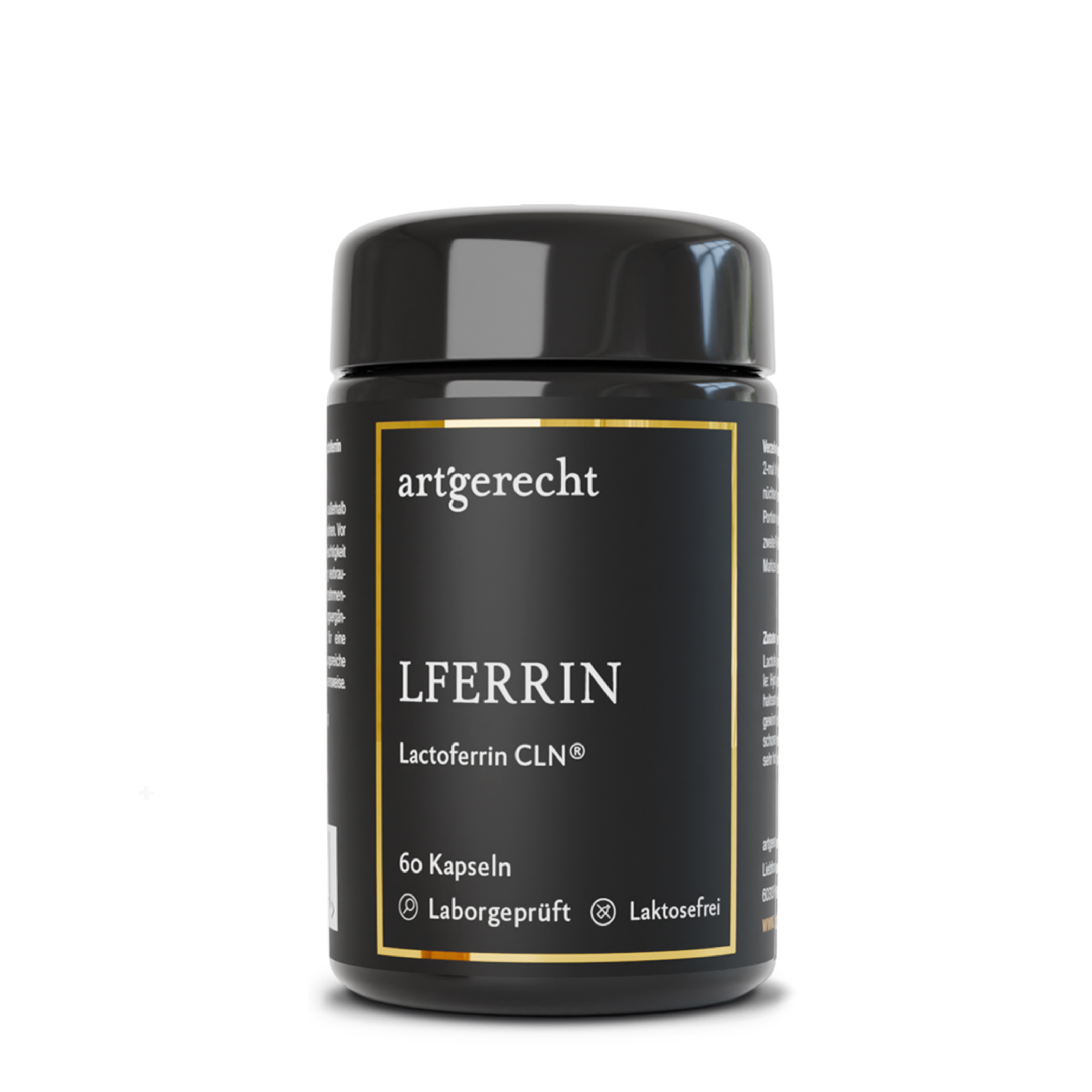
Lactoferrin
For your universal protection
As one of the most valuable proteins in the body, lactoferrin is a natural component of the immune system.[siehe Varianten]
Regular price:
€59.90
Subscription available

Natural Iron

For your iron balance
Specially formulated for your iron balance with plant-based curry leaf iron, Lactoferrin CLN®, and natural Vitamin C from rose hips.
30 Capsules
Regular price:
€35.90
Most read entries
3 Posts in this encyclopedia categoryMagnesiumcarbonat
Magnesiumcarbonat ist eine anorganische Magnesiumverbindung mit säure-neutralisierender (antazidischer) Wirkung. Erfahre mehr über Vorteile, Einsatzgebiete und Unterschiede zu besser resorbierbaren Magnesiumformen.
Calorie content
The choice of food influences our energy intake. The calorie content varies greatly - some provide little energy, others a lot.
Cologne list
The Cologne List ® is an important initiative in competitive sports that offers athletes guidance in the selection of nutritional supplements.