


K57.3 – Colon Diverticulitis | ICD-10 Code
K57.3 is the ICD-10 code for diverticulitis of the large intestine without perforation or abscess. Learn about causes, symptoms, diagnosis and treatment.
Things worth knowing about "K57.3"
K57.3 is the ICD-10 code for diverticulitis of the large intestine without perforation or abscess – an inflammation of small pouches in the colon wall.
What does K57.3 mean?
The ICD-10 code K57.3 stands for diverticulitis of the large intestine without perforation or abscess. Diverticulitis refers to the inflammation of diverticula – small, pouch-like protrusions of the intestinal lining that bulge outward through the muscular wall of the large intestine (colon). The code K57.3 is assigned when this inflammation occurs without serious complications such as a bowel perforation or an abscess (collection of pus).
Causes
Diverticula form primarily due to increased pressure inside the colon, often caused by a low-fiber diet and chronic constipation. When these pouches become inflamed, the condition is called diverticulitis. Contributing risk factors include:
- Low-fiber diet
- Older age (risk increases from age 40 onward)
- Lack of physical activity
- Obesity
- Smoking
- Frequent use of non-steroidal anti-inflammatory drugs (NSAIDs) such as ibuprofen or aspirin
Symptoms
Typical symptoms of diverticulitis classified under K57.3 include:
- Pain in the lower left abdomen (as the sigmoid colon is most commonly affected)
- Fever and chills
- Nausea and vomiting
- Changes in bowel habits (diarrhea or constipation)
- Tenderness and rigidity of the abdomen
- Elevated inflammatory markers in blood tests (e.g., CRP, white blood cell count)
Diagnosis
Diagnosis is typically established through:
- Physical examination: Tenderness and guarding in the lower abdomen
- Blood tests: Detection of elevated inflammatory markers (CRP, leukocytes)
- Abdominal ultrasound: Visualization of inflamed diverticula and surrounding tissue
- Computed tomography (CT scan): The most accurate method to assess severity and rule out complications
- Colonoscopy: Generally avoided during the acute phase, but recommended after inflammation resolves
Treatment
Mild cases (outpatient)
Uncomplicated diverticulitis (K57.3) without complications can often be managed on an outpatient basis:
- Physical rest and adequate fluid intake
- Low-fiber, easily digestible diet during the acute phase
- Antibiotics (e.g., amoxicillin/clavulanate or ciprofloxacin combined with metronidazole)
- Pain relief with appropriate analgesics
Severe cases (inpatient)
Hospitalization is required when symptoms are severe or complications cannot be excluded:
- Intravenous antibiotic therapy
- Fasting and intravenous fluid administration
- Close monitoring of inflammatory parameters
Long-term management
Following recovery from an acute episode, the following measures are recommended:
- Increasing dietary fiber intake (vegetables, whole grains, legumes)
- Regular physical activity
- Achieving and maintaining a healthy body weight
- For frequent recurrences: surgical resection of the affected bowel segment (sigmoidectomy)
Distinction from other K57 codes
The ICD-10 section K57 categorizes diverticular disease by location and presence of complications. K57.3 specifically describes uncomplicated diverticulitis of the large intestine. Related codes include K57.0 (small intestine), K57.2 (large intestine with perforation or abscess), and K57.9 (unspecified location).
References
- World Health Organization (WHO): ICD-10 – International Statistical Classification of Diseases and Related Health Problems, 10th Revision. Volume 1, Chapter XI: Diseases of the Digestive System, K57.3. Geneva: WHO, 2019.
- Strate L.L., Morris A.M.: Epidemiology, Pathophysiology, and Treatment of Diverticulitis. Gastroenterology, 2019; 156(5): 1282–1298. doi:10.1053/j.gastro.2018.12.033.
- Feuerstein J.D., Falchuk K.R.: Diverticulosis and Diverticulitis. Mayo Clinic Proceedings, 2016; 91(8): 1094–1104. doi:10.1016/j.mayocp.2016.03.012.

Building Blocks for a Healthy Life
As an integrated manufacturer, we develop & produce evidence-based, patented, and non-patented formulations. We work exclusively with plant and natural extracts according to the strictest purity & quality standards.
The combination of science & modern technology with the laws of nature creates solutions consistently tailored to humans – for the highest good: health.
Verwandte Produkte

For Healthy Oral Flora & Dental Care
Formulated lozenges with Dentalac®, lactic acid bacteria, and Lactoferrin CLN®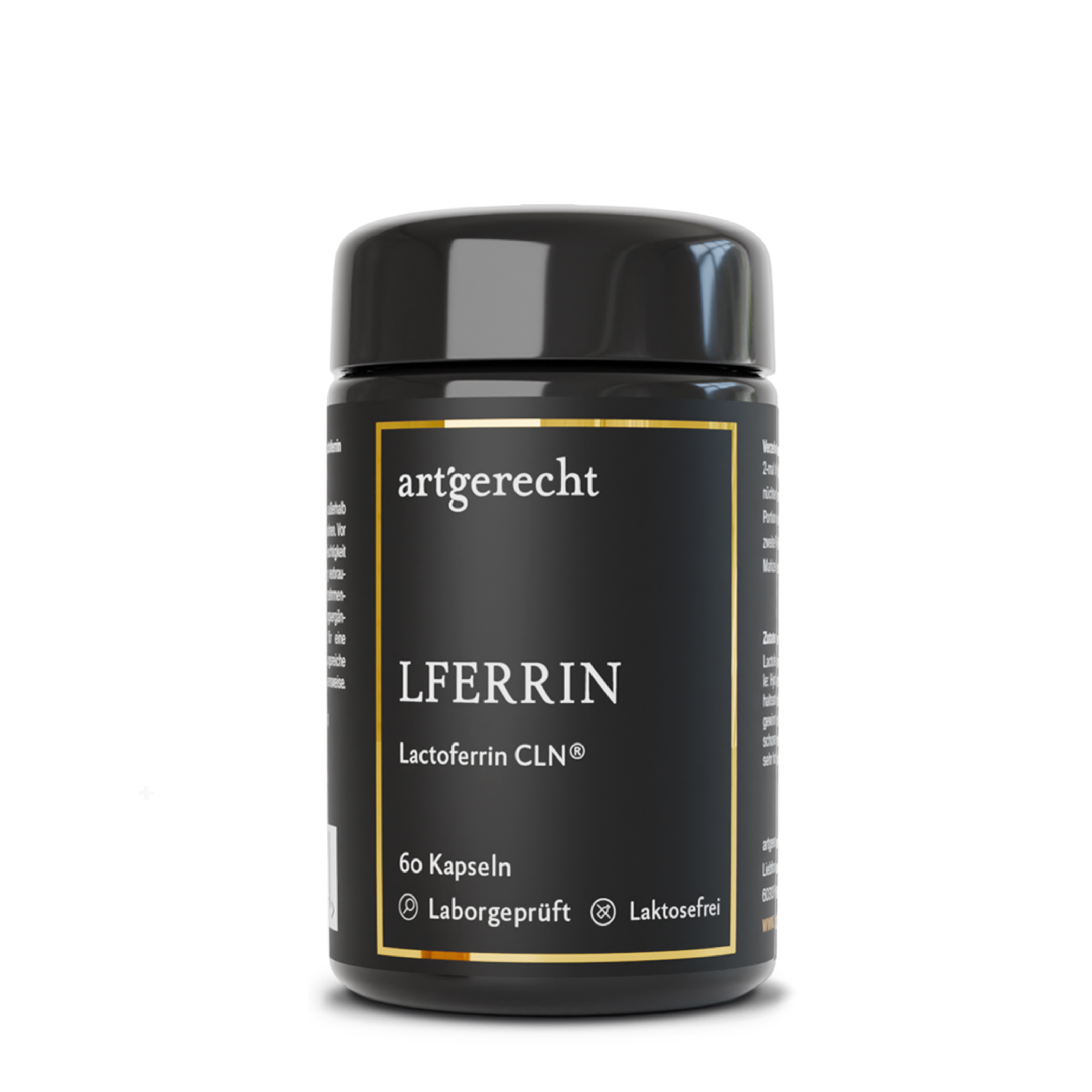
For your universal protection
As one of the most valuable proteins in the body, lactoferrin is a natural component of the immune system.
For your iron balance
Specially formulated for your iron balance with plant-based curry leaf iron, Lactoferrin CLN®, and natural Vitamin C from rose hips.