


Lansoprazole: Uses, Dosage & Side Effects
Lansoprazole is a proton pump inhibitor that reduces stomach acid production. It is used to treat heartburn, peptic ulcers, and gastroesophageal reflux disease.
Things worth knowing about "Lansoprazole"
Lansoprazole is a proton pump inhibitor that reduces stomach acid production. It is used to treat heartburn, peptic ulcers, and gastroesophageal reflux disease.
What is Lansoprazole?
Lansoprazole is a proton pump inhibitor (PPI) and one of the most widely prescribed medications worldwide. It selectively inhibits the acid-producing cells of the stomach lining, effectively and durably lowering the level of stomach acid. Lansoprazole is available both as a prescription medication and, in lower doses, as an over-the-counter drug in many countries.
Indications (Uses)
Lansoprazole is used for a variety of conditions caused or aggravated by excessive stomach acid production:
- Gastroesophageal reflux disease (GERD): Backflow of stomach acid into the esophagus, associated with heartburn and acid regurgitation
- Erosive esophagitis: Inflammation and damage to the esophageal lining caused by acid
- Gastric and duodenal ulcers (stomach ulcers and duodenal ulcers)
- Helicobacter pylori eradication: As part of a combination therapy (triple therapy) to treat stomach infections caused by the bacterium Helicobacter pylori
- Zollinger-Ellison syndrome: A rare condition with excessive acid production due to a hormone-secreting tumor
- NSAID-associated gastric lesions: Prevention and treatment of stomach lining damage caused by non-steroidal anti-inflammatory drugs (e.g., ibuprofen, diclofenac)
Mechanism of Action
Lansoprazole acts as an irreversible proton pump inhibitor. The stomach contains specialized parietal cells that secrete hydrochloric acid into the gastric lumen via a proton pump (H+/K+-ATPase). Lansoprazole is taken as an inactive prodrug, absorbed into the bloodstream, and transported to the parietal cells, where it is converted into its active form in the acidic environment. This active form covalently and permanently binds to the proton pump, fully blocking it. As a result, acid production is reduced by up to 90%. Because the inhibition is irreversible, the effect lasts until new proton pumps are synthesized by the cells – a process that takes approximately 24 to 48 hours.
Dosage and Administration
The dosage of lansoprazole depends on the indication and the individual clinical situation:
- GERD and erosive esophagitis: Typically 30 mg once daily, usually for 4–8 weeks
- Gastric ulcer: 30 mg daily for 4–8 weeks
- Duodenal ulcer: 15–30 mg daily for 2–4 weeks
- H. pylori eradication: 30 mg twice daily in combination with two antibiotics
- Maintenance therapy for GERD: 15 mg daily as long-term treatment
Lansoprazole should be taken 30 minutes before a meal, as proton pumps are most active during food intake, allowing the medication to achieve its maximum effect. Capsules should be swallowed whole. For patients with swallowing difficulties, orally disintegrating tablets or granule sachets are available.
Side Effects
Lansoprazole is generally well tolerated. Possible side effects include:
Common Side Effects
- Headache
- Diarrhea, nausea, vomiting
- Abdominal pain and flatulence
- Constipation
Rare but Relevant Side Effects
- Hypomagnesemia: Low magnesium levels with long-term use (over 1 year)
- Vitamin B12 deficiency: Since stomach acid is required for the release of vitamin B12 from food
- Increased fracture risk: Long-term use may be associated with reduced bone density
- Clostridium difficile infection: Reduced stomach acid can promote the growth of certain gut bacteria
- Interstitial nephritis: Rare kidney inflammation as an allergic reaction
- Elevated liver enzymes: Occasionally observed
Drug Interactions
Lansoprazole can affect the efficacy of other medications:
- Clopidogrel: Lansoprazole may inhibit the activation of clopidogrel (a blood thinner), reducing its effectiveness
- Methotrexate: Increased methotrexate plasma levels possible
- Ketoconazole and itraconazole: Reduced absorption of these antifungal agents due to lower stomach acidity
- Atazanavir: Reduced effectiveness of this HIV medication
- Digoxin: Slightly increased bioavailability possible
Contraindications and Special Considerations
Lansoprazole should not be used in patients with known hypersensitivity to the active substance or other proton pump inhibitors. During pregnancy and breastfeeding, use should only occur after consulting a physician. Patients with severe hepatic impairment require dose adjustment. For long-term use (more than 1 year), medical monitoring is recommended, including periodic checks of magnesium and vitamin B12 levels.
References
- European Medicines Agency (EMA): Summary of Product Characteristics for Lansoprazole. www.ema.europa.eu
- Strand DS, Kim D, Peura DA. 25 Years of Proton Pump Inhibitors: A Comprehensive Review. Gut and Liver, 2017;11(1):27–37.
- Sachs G, Shin JM, Howden CW. Review article: the clinical pharmacology of proton pump inhibitors. Alimentary Pharmacology & Therapeutics, 2006;23(Suppl 2):2–8.

Building Blocks for a Healthy Life
As an integrated manufacturer, we develop & produce evidence-based, patented, and non-patented formulations. We work exclusively with plant and natural extracts according to the strictest purity & quality standards.
The combination of science & modern technology with the laws of nature creates solutions consistently tailored to humans – for the highest good: health.
Verwandte Produkte

For Healthy Oral Flora & Dental Care
Formulated lozenges with Dentalac®, lactic acid bacteria, and Lactoferrin CLN®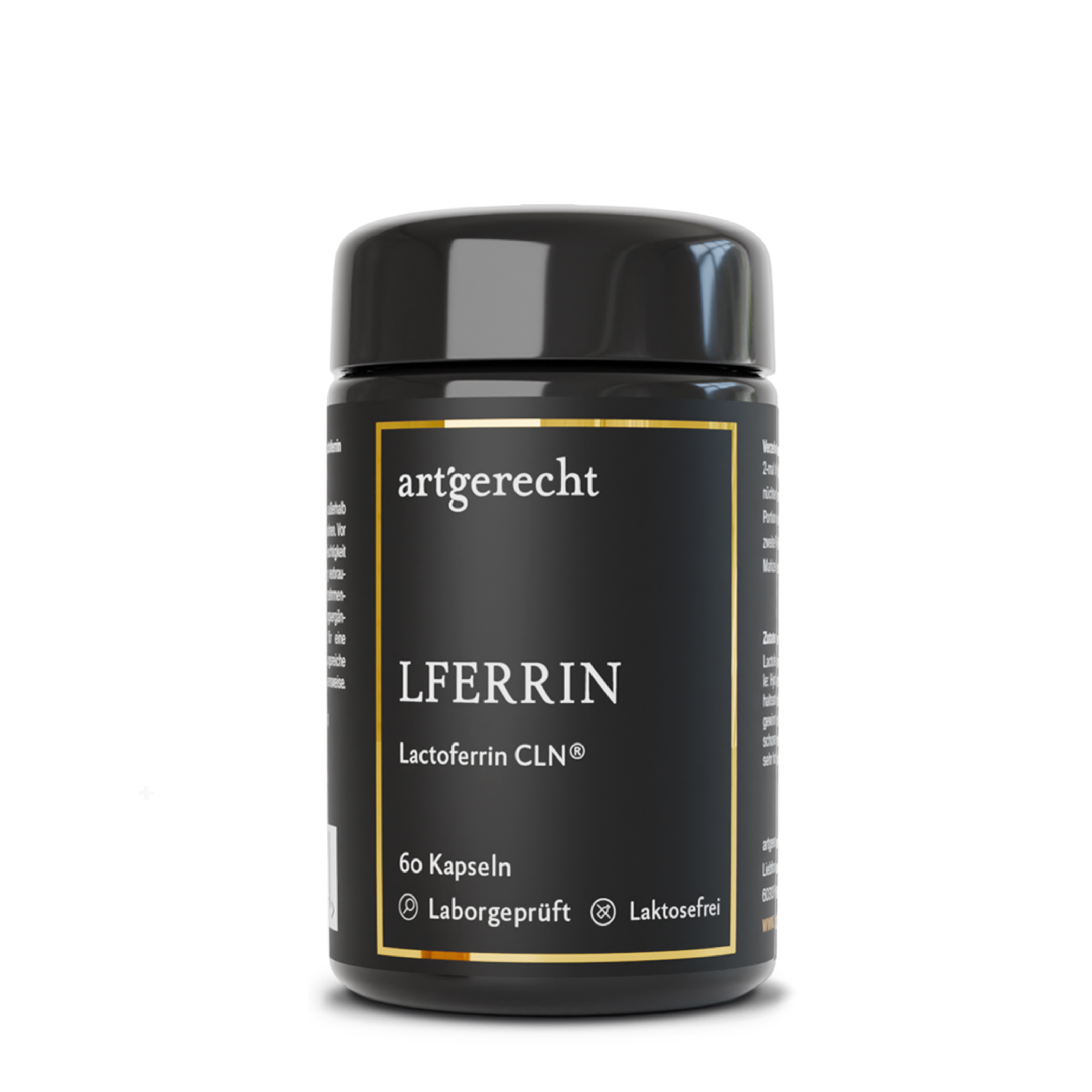
For your universal protection
As one of the most valuable proteins in the body, lactoferrin is a natural component of the immune system.
For your iron balance
Specially formulated for your iron balance with plant-based curry leaf iron, Lactoferrin CLN®, and natural Vitamin C from rose hips.