


Leaky Gut Test – How Intestinal Permeability Is Measured
The leaky gut test evaluates the permeability of the intestinal lining. It helps identify increased intestinal permeability, commonly known as leaky gut syndrome.
Things worth knowing about "Leaky Gut Test"
The leaky gut test evaluates the permeability of the intestinal lining. It helps identify increased intestinal permeability, commonly known as leaky gut syndrome.
What Is the Leaky Gut Test?
The leaky gut test is a diagnostic procedure used to assess the barrier function of the intestinal lining. In a healthy gut, the cells of the intestinal mucosa form a tight protective barrier that prevents unwanted substances – such as bacteria, toxins, and undigested food particles – from entering the bloodstream. When this barrier becomes compromised, the condition is referred to as increased intestinal permeability, or colloquially, a leaky gut. This condition has been associated with a wide range of health issues, from digestive complaints to systemic inflammatory and autoimmune conditions.
When Is the Test Used?
A leaky gut test is typically considered when signs of impaired intestinal barrier function are present. Common indications include:
- Chronic digestive symptoms such as bloating, diarrhea, or abdominal pain
- Food intolerances or allergies
- Inflammatory bowel diseases (e.g., Crohn's disease, ulcerative colitis)
- Autoimmune conditions
- Persistent fatigue and low energy
- Skin conditions such as eczema or acne
- Mood changes, difficulty concentrating, or depressive symptoms
How Does the Test Work?
Several methods are available to measure intestinal permeability. The most commonly used approaches include:
Lactulose-Mannitol Test (Sugar Test)
In the lactulose-mannitol test, the person being tested drinks a solution containing two sugar molecules: lactulose and mannitol. Urine is then collected over several hours and analyzed. Mannitol is a small molecule that is easily absorbed through an intact gut lining, while lactulose is a larger molecule that is poorly absorbed in a healthy gut. An elevated ratio of lactulose to mannitol in the urine suggests increased intestinal permeability.
Zonulin Test (Blood or Stool)
Zonulin is a protein produced by the body that regulates the opening and closing of tight junctions – the microscopic seals between intestinal cells. Elevated zonulin levels in blood or stool are considered a marker of impaired gut barrier function. The zonulin test is one of the most widely used methods in both clinical practice and laboratory diagnostics.
Stool Tests for Intestinal Barrier Markers
Additional stool-based markers that can indicate intestinal inflammation or barrier dysfunction include:
- Alpha-1-antitrypsin: Elevated levels may indicate abnormal protein metabolism in the gut associated with barrier disruption.
- Calprotectin: An inflammation marker that rises when immune cells are activated in the gut lining.
- Secretory IgA (sIgA): An antibody that protects the intestinal mucosa. Low levels may suggest weakened local immune defenses.
Blood Tests for Lipopolysaccharide Antibodies (LPS)
Lipopolysaccharides (LPS) are components of the cell walls of gram-negative bacteria. If they pass through a compromised gut barrier into the bloodstream, they can trigger systemic inflammatory responses. The detection of LPS antibodies in the blood may serve as an additional indicator of increased intestinal permeability.
Diagnosis and Interpretation of Results
Leaky gut test results should always be interpreted in clinical context, as elevated individual markers alone do not constitute a definitive diagnosis. A qualified healthcare provider – typically a gastroenterologist, internist, or integrative medicine specialist – will evaluate the results alongside the full medical history and other diagnostic findings. It is important to note that the term leaky gut is not yet recognized as a standalone diagnosis in conventional medicine, though increased intestinal permeability is a well-established physiological concept gaining increasing clinical attention.
Treatment and Therapeutic Approaches
If increased intestinal permeability is identified, several evidence-informed strategies may help restore and strengthen the gut barrier:
- Dietary modifications: Reducing processed foods, alcohol, refined sugar, and – in cases of sensitivity – gluten; increasing fiber-rich and anti-inflammatory foods.
- Probiotics and prebiotics: Supporting the gut microbiome with beneficial bacterial strains and their dietary substrates.
- L-Glutamine: This amino acid is an important fuel source for intestinal epithelial cells and supports mucosal repair.
- Zinc: Plays a key role in the regeneration of mucosal cells and maintaining tight junction integrity.
- Stress management: Chronic stress negatively impacts gut barrier function; relaxation techniques such as yoga or meditation may provide support.
- Treating underlying conditions: If an inflammatory bowel disease or infection is present, targeted medical treatment is essential.
References
- Fasano, A. (2012). Leaky gut and autoimmune diseases. Clinical Reviews in Allergy and Immunology, 42(1), 71-78. PubMed PMID: 22109896.
- Camilleri, M. (2019). Leaky gut: mechanisms, measurement and clinical implications in humans. Gut, 68(8), 1516-1526. PubMed PMID: 31076401.
- Mu, Q., Kirby, J., Reilly, C. M., & Luo, X. M. (2017). Leaky gut as a danger signal for autoimmune diseases. Frontiers in Immunology, 8, 598. PubMed PMID: 28588585.

Building Blocks for a Healthy Life
As an integrated manufacturer, we develop & produce evidence-based, patented, and non-patented formulations. We work exclusively with plant and natural extracts according to the strictest purity & quality standards.
The combination of science & modern technology with the laws of nature creates solutions consistently tailored to humans – for the highest good: health.
Verwandte Produkte

For Healthy Oral Flora & Dental Care
Formulated lozenges with Dentalac®, lactic acid bacteria, and Lactoferrin CLN®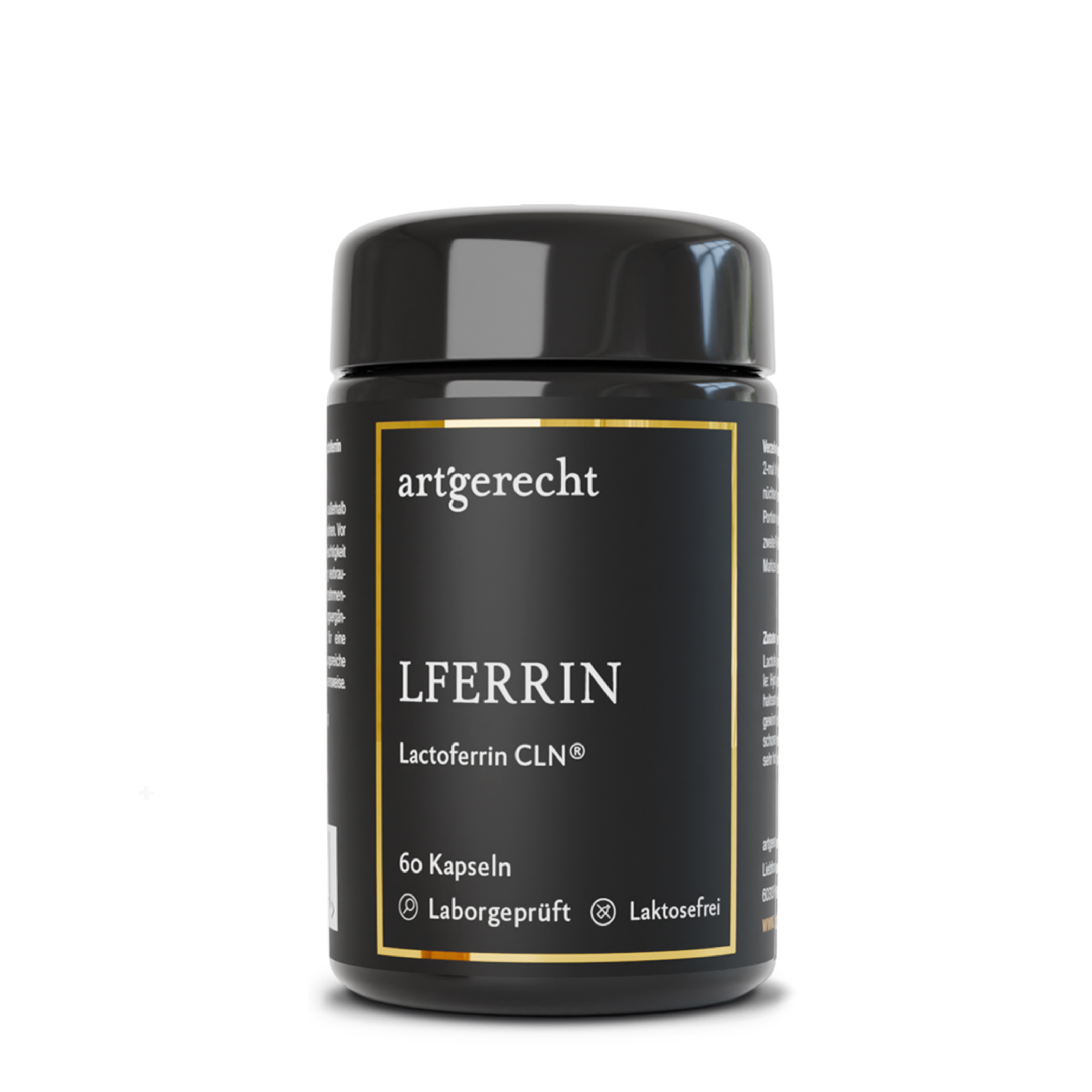
For your universal protection
As one of the most valuable proteins in the body, lactoferrin is a natural component of the immune system.
For your iron balance
Specially formulated for your iron balance with plant-based curry leaf iron, Lactoferrin CLN®, and natural Vitamin C from rose hips.