


Low-Histamine Diet – Foods and Practical Tips
A low-histamine diet helps people with histamine intolerance reduce symptoms such as headaches and skin reactions by avoiding foods high in histamine.
Things worth knowing about "Low-Histamine Diet"
A low-histamine diet helps people with histamine intolerance reduce symptoms such as headaches and skin reactions by avoiding foods high in histamine.
What Is a Low-Histamine Diet?
A low-histamine diet is a specialized eating plan recommended for individuals with histamine intolerance. Histamine is a naturally occurring biogenic amine that plays important roles in the body, including immune responses, gastric acid secretion, and neurotransmission. In people with histamine intolerance, the body is unable to break down ingested histamine efficiently, leading to a range of uncomfortable or even debilitating symptoms. By carefully adjusting food choices, these symptoms can be significantly reduced.
Causes of Histamine Intolerance
The most common cause of histamine intolerance is a deficiency or reduced activity of the enzyme diamine oxidase (DAO), which is responsible for breaking down histamine in the gut. Contributing factors include:
- Genetic predisposition
- Inflammatory bowel diseases (e.g., Crohn's disease, ulcerative colitis)
- Certain medications (e.g., some antibiotics, anti-inflammatory drugs)
- Alcohol consumption, which inhibits DAO activity
- Estrogen dominance in women, as estrogen can impair histamine breakdown
Symptoms of Histamine Intolerance
Symptoms of histamine intolerance vary widely and may affect multiple organ systems simultaneously. Common complaints include:
- Headaches and migraines
- Skin reactions: flushing, itching, hives (urticaria)
- Gastrointestinal issues: bloating, diarrhea, abdominal cramps
- Runny or blocked nose (rhinitis)
- Heart palpitations (tachycardia)
- Dizziness and fatigue
- Menstrual irregularities in women
Core Principles of a Low-Histamine Diet
The goal of a low-histamine diet is to minimize the daily intake of histamine from food. This involves not only avoiding histamine-rich foods but also limiting so-called histamine liberators (foods that trigger the release of histamine in the body) and DAO inhibitors (substances that block the enzyme responsible for breaking down histamine).
Foods to Avoid
- Histamine-rich foods: Aged cheeses (e.g., gouda, parmesan, cheddar), fermented products (sauerkraut, kimchi, yogurt, kefir), processed and smoked meats (salami, ham), canned fish, red wine, beer, vinegar
- Histamine liberators: Tomatoes, strawberries, citrus fruits, pineapple, papaya, spinach, eggplant, chocolate, cocoa, nuts (especially walnuts and cashews)
- DAO inhibitors: Alcohol (especially red wine and beer), energy drinks, black and green tea
Well-Tolerated Foods
- Fresh, unprocessed meat and freshly caught fish (prepared immediately after purchase)
- Fresh vegetables (except histamine-rich varieties): broccoli, zucchini, carrots, lettuce, pumpkin
- Most grain types: rice, oats, corn, millet
- Fresh herbs (except spinach)
- Extra virgin olive oil, coconut oil
- Fresh eggs (generally well tolerated)
- Still mineral water, herbal teas
Diagnosis and Approach
Histamine intolerance is typically diagnosed through an elimination and provocation diet carried out under medical supervision. Histamine-rich foods are completely removed from the diet for several weeks to observe whether symptoms improve. Trigger foods are then reintroduced step by step to identify individual intolerances. In addition, blood tests to measure DAO activity or histamine levels may be performed to support the diagnosis.
Practical Tips for Daily Life
- Always buy fresh foods and prepare them quickly, as histamine levels increase during storage and maturation
- Consume leftovers promptly or freeze them, as reheating stored food can raise histamine content
- Keep a food diary to identify personal triggers more effectively
- Consider DAO enzyme supplements if needed, but always consult a healthcare professional first
- Ensure adequate intake of vitamin C, vitamin B6, and copper, as these nutrients support histamine breakdown
Important Note
A low-histamine diet should not be followed long-term without professional guidance, as it may lead to nutritional deficiencies. Consulting a registered dietitian or a nutrition specialist is strongly recommended to ensure a balanced diet and to identify individual food tolerances over time.
References
- Maintz L, Novak N. Histamine and histamine intolerance. American Journal of Clinical Nutrition. 2007;85(5):1185-1196.
- Reese I et al. Guideline on the management of suspected histamine intolerance from oral intake. Allergologie. 2017;40(5):233-240.
- European Academy of Allergy and Clinical Immunology (EAACI). Position Paper: Histamine Intolerance. Allergy. 2021;76(12):3515-3525.

Building Blocks for a Healthy Life
As an integrated manufacturer, we develop & produce evidence-based, patented, and non-patented formulations. We work exclusively with plant and natural extracts according to the strictest purity & quality standards.
The combination of science & modern technology with the laws of nature creates solutions consistently tailored to humans – for the highest good: health.
Verwandte Produkte

For Healthy Oral Flora & Dental Care
Formulated lozenges with Dentalac®, lactic acid bacteria, and Lactoferrin CLN®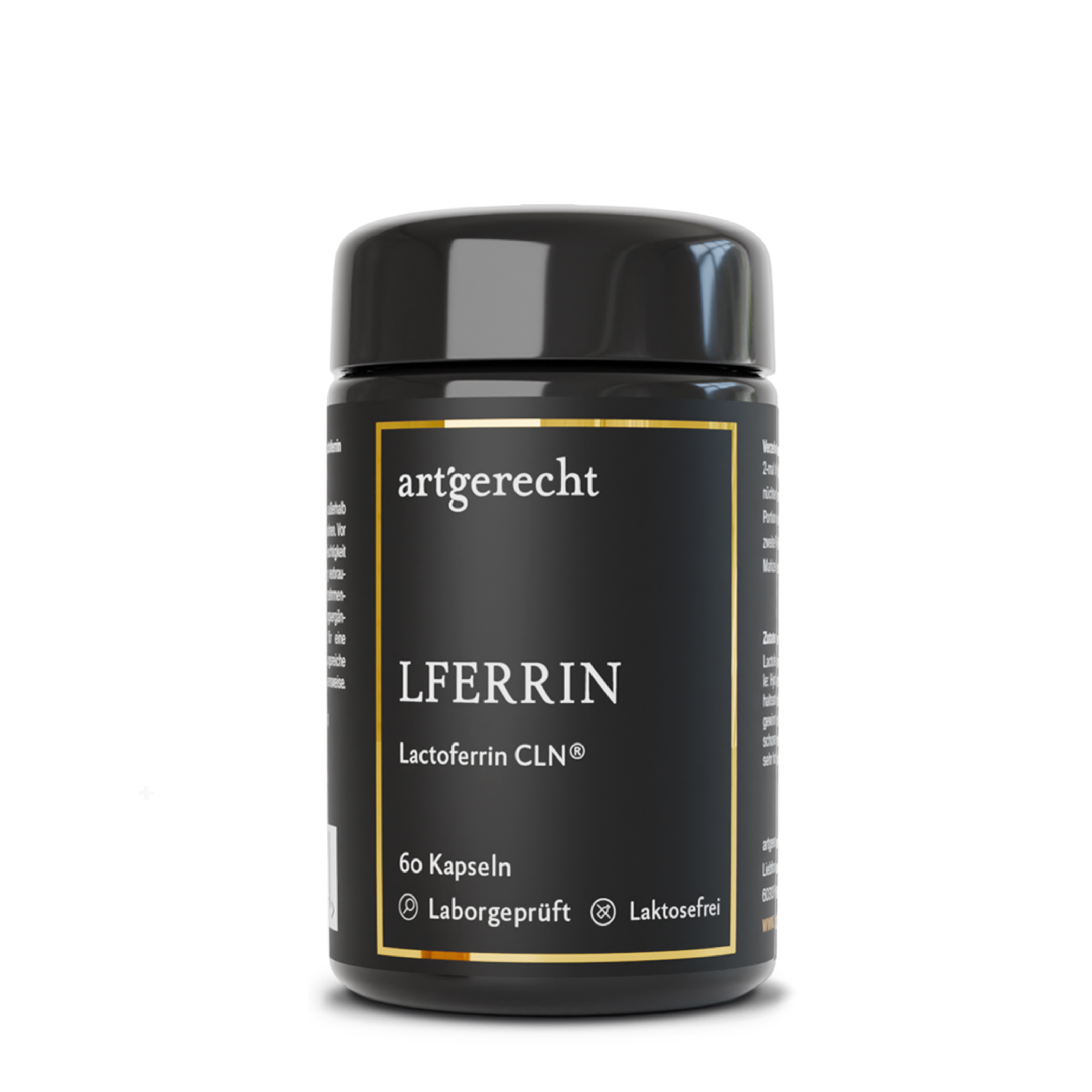
For your universal protection
As one of the most valuable proteins in the body, lactoferrin is a natural component of the immune system.
For your iron balance
Specially formulated for your iron balance with plant-based curry leaf iron, Lactoferrin CLN®, and natural Vitamin C from rose hips.